Description of the Unit –
Students will explore the work and approaches to painting innovated by Helen Frankenthaler, and use very simple soak-stain techniques to apply watercolor onto paper to create equally vibrant washes.

Lessons for visual art education – where it's about the process, not the product
Tag: curriculum

Description of the Unit –
Students will explore the work and approaches to painting innovated by Helen Frankenthaler, and use very simple soak-stain techniques to apply watercolor onto paper to create equally vibrant washes.
Description of the Unit –
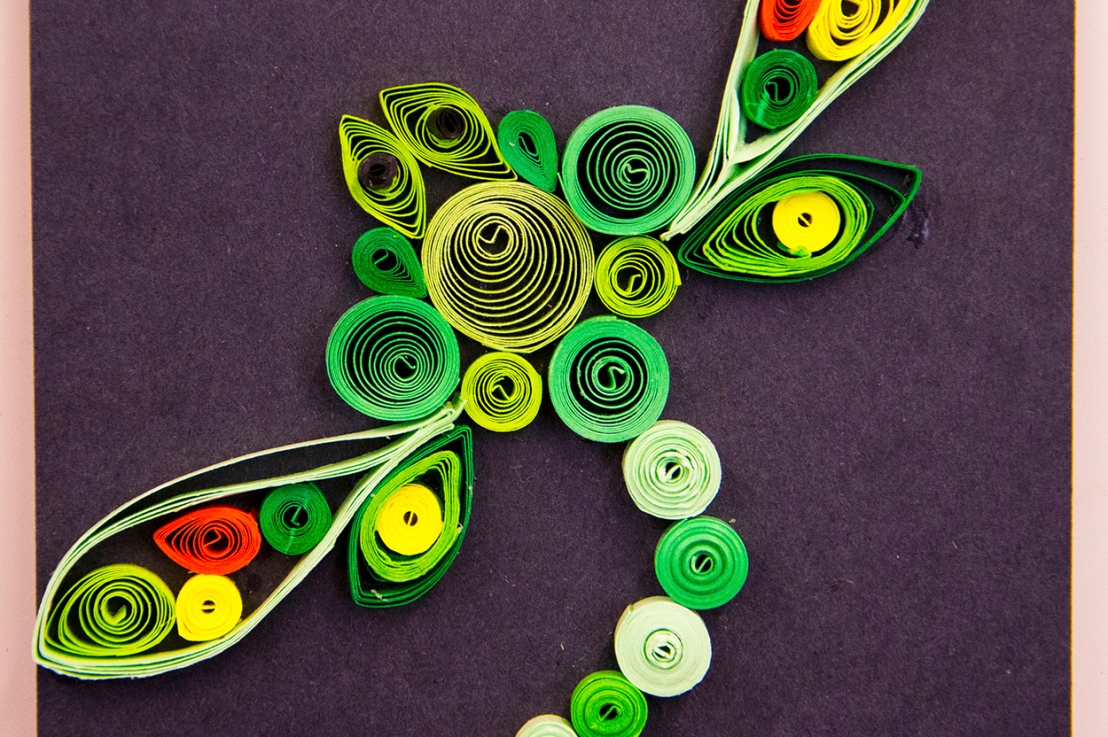
Students will develop their fine motor skills while exploring ways to get creative with the ancient art of paper quilling.
Activity statement –
Quilling is the art of manipulating and arranging small strips of paper into detailed designs. Depending on the desired shape and appearance, it can be rolled, looped, twisted, and curled. Glue is used to secure the paper strips into place. Like many forms of craft, paper quilling can trace its origins back hundreds of years to at least the 15th century (maybe earlier). It is believed to have been created by French and Italian nuns to decorate religious objects.

Description of the Unit –
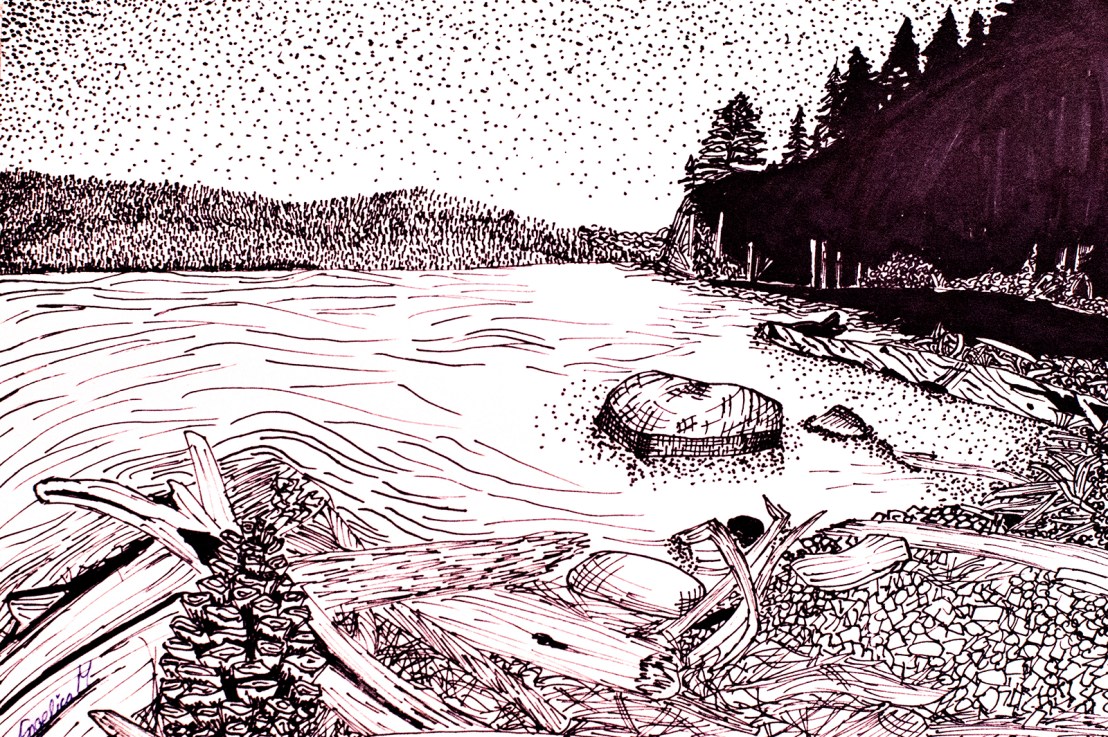
Students will first practice a variety of line drawing, or mark-making, techniques, and then use those techniques to render a landscape or still life in pen.
Activity statement –
Using photographs as a starting point, the objective of this lesson was for students to express changes in perspective, texture and value (light and dark) in a realistic drawing using a variety of lines, such as stippling, hatching, and cross-hatching, as well as varying the lines’ density. In this way they can transform a pen drawing into a realistic representation of a scene in nature. To help in this objective, students first created a mark-making chart expressing different types of lines, and discussed how the different types of lines could be used to represent texture, perspective and value.

Description of the Unit –
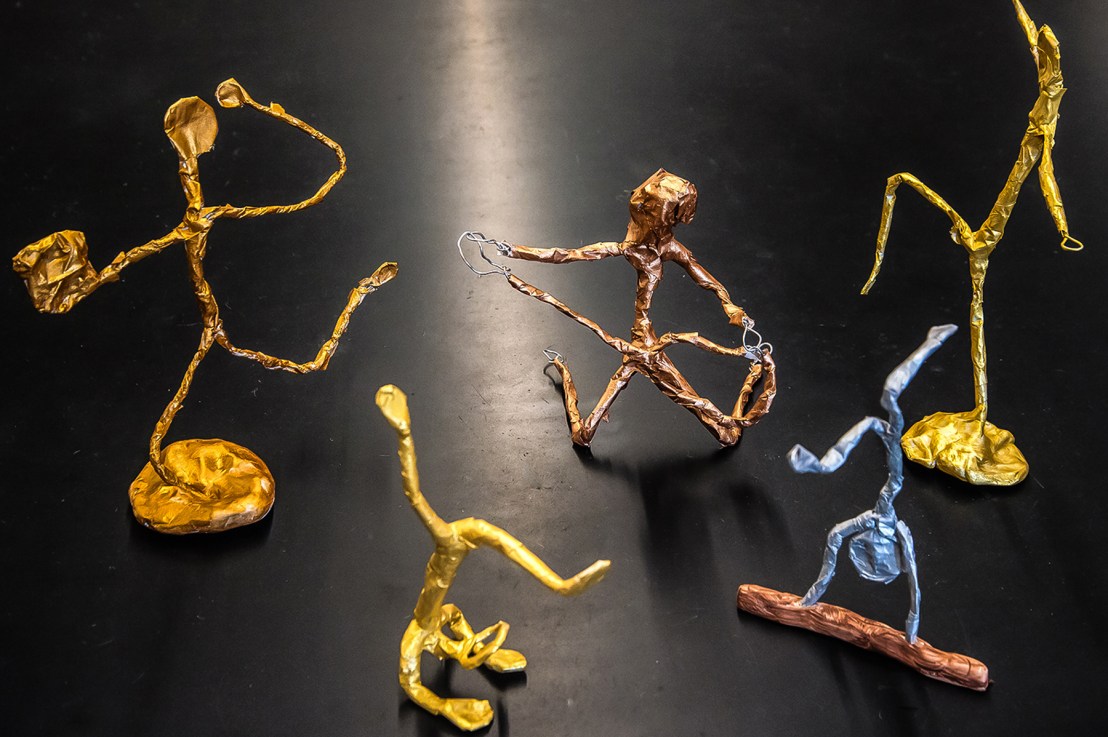
Observing the distorted gestural figure sculptures of Alberto Giacometti (1901-1966), as well as the elongated, rhythmic figure paintings by Ernie Barnes (1938-2009) that both emphasize and exaggerate long limbs, students will create similarly distorted, gestural sculptures primarily out of wire.

Description of the Unit –
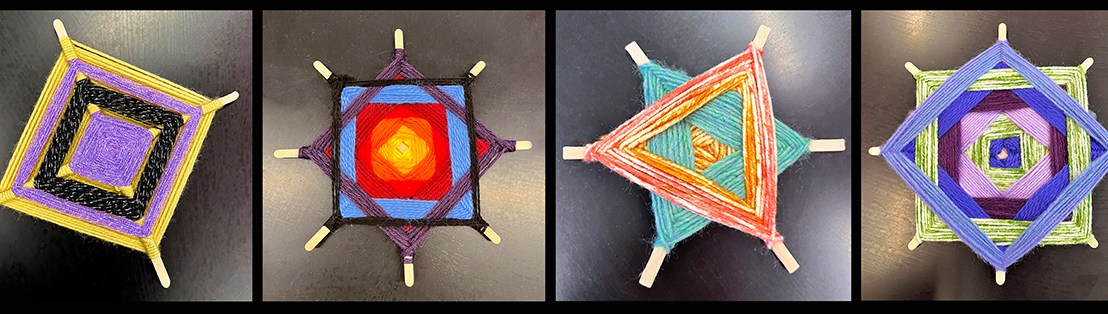
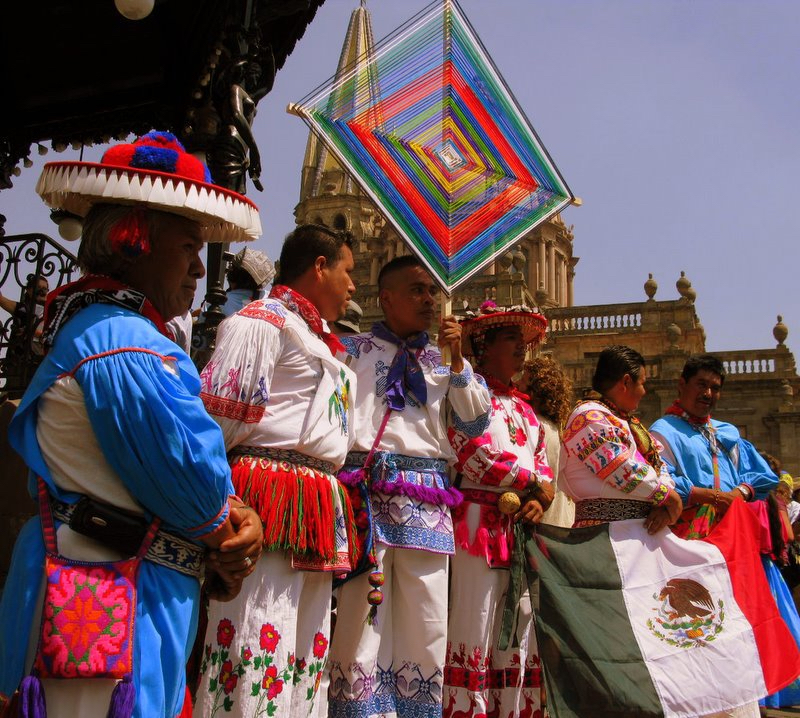
Students will learn about the Huichol tradition of weaving an “Ojo de Dios” and practice weaving one of their own, attempting more complicated patterns and techniques as they progress.
Activity statement –
Upon the birth of a baby, Huichol (an indigenous Mexican group) parents weave a beautifully colored and elaborate “Ojo de Dios”, signifying health and protection throughout the child’s life. The child adds to this very Ojo de Dios with each new birthday starting at about age 5. Beginning with a simplified Huichol weaving style, students will create an Ojo de Dios, which will develop their hand-eye coordination and fine motor skills. With each new Ojo de Dios a student attempts, he/she will practice more complicated weaving techniques, create more elaborate color and shape designs, and improve their overall finished product.
I have a short video on making an Ojo de Dios here:
Line & Color with Keith Haring
Description of the Unit –
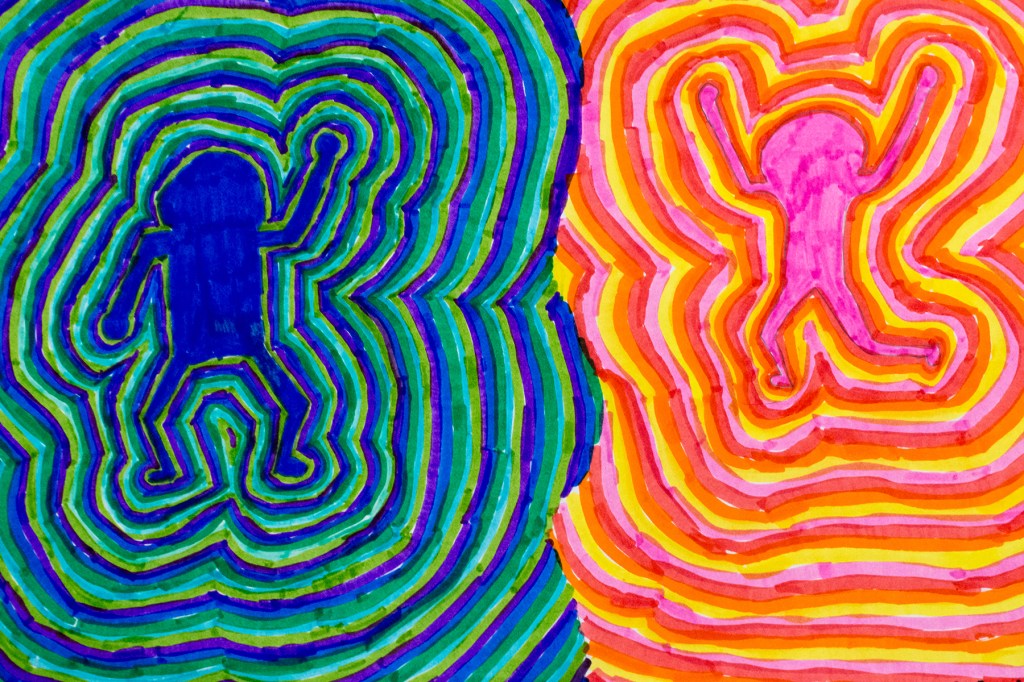
Students explored the work of contemporary New York artist Keith Haring. A crafty, resourceful and thoughtful artist, Haring created artwork with powerful messages using deceptively simple, cartoon-like designs in a variety of spaces, both private and public. His work was accessible to a diverse public in ways few artists had achieved.
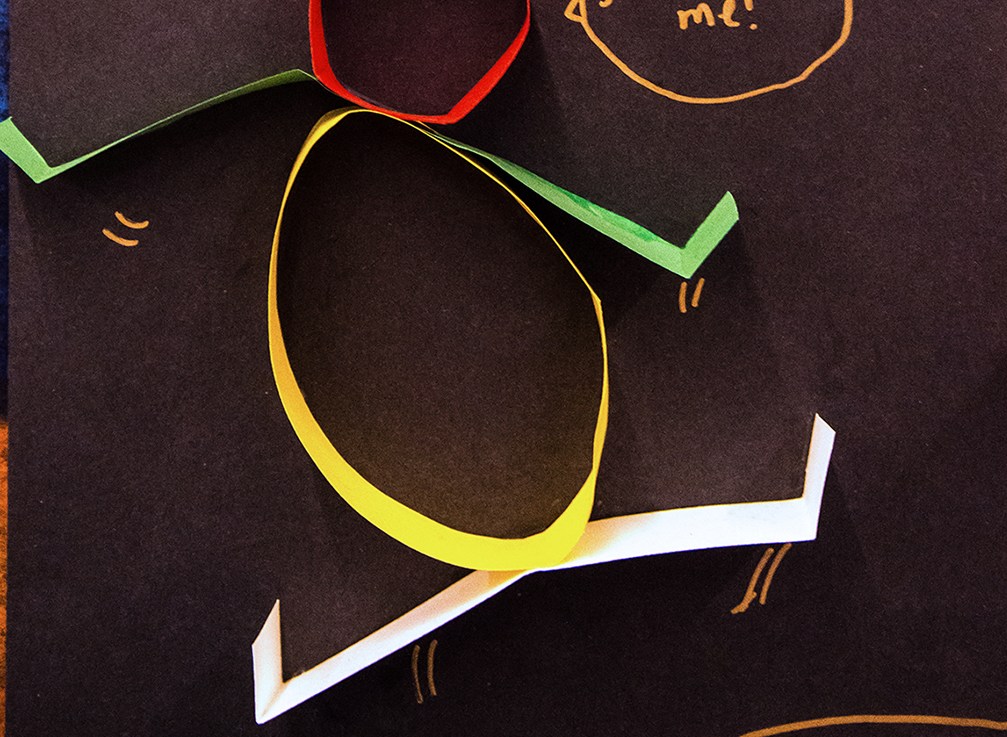
Students observed and discussed his use of bold, primary and secondary colors, but more importantly they focused on Haring’s use of straightforward line to suggest movement, gesture and feeling. Students attempted their own designs inspired by the characteristics of Haring’s work. The first lesson had students create designs in 2-D, the second in 3-D.

Description of the Unit – Students will create yarn paintings in the style of the Huichol of México.
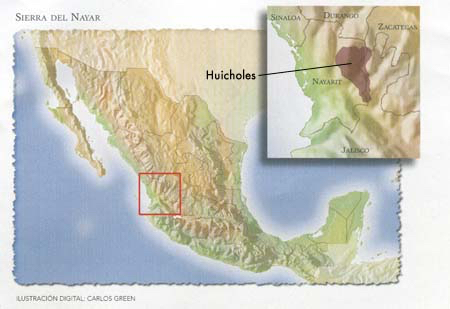
Activity statement – The Huichol are a culture native to western México (mostly in Jalisco and Nayarit) who have preserved many of their ancient arts and crafts practices. So esteemed are they to Mexico’s heritage that the Mexican government and UNESCO have made great effort to preserve the culture and its environment. While the Huichol first used materials found in nature to produce their art, they now Huichol use modern materials and dyes in their crafts. Among the many incredible crafts the Huichol produce is the yarn painting, an intricate, highly colorful tableau of symbols and images “painted” with bright yarn arranged in bold patterns.

Description of the Unit –
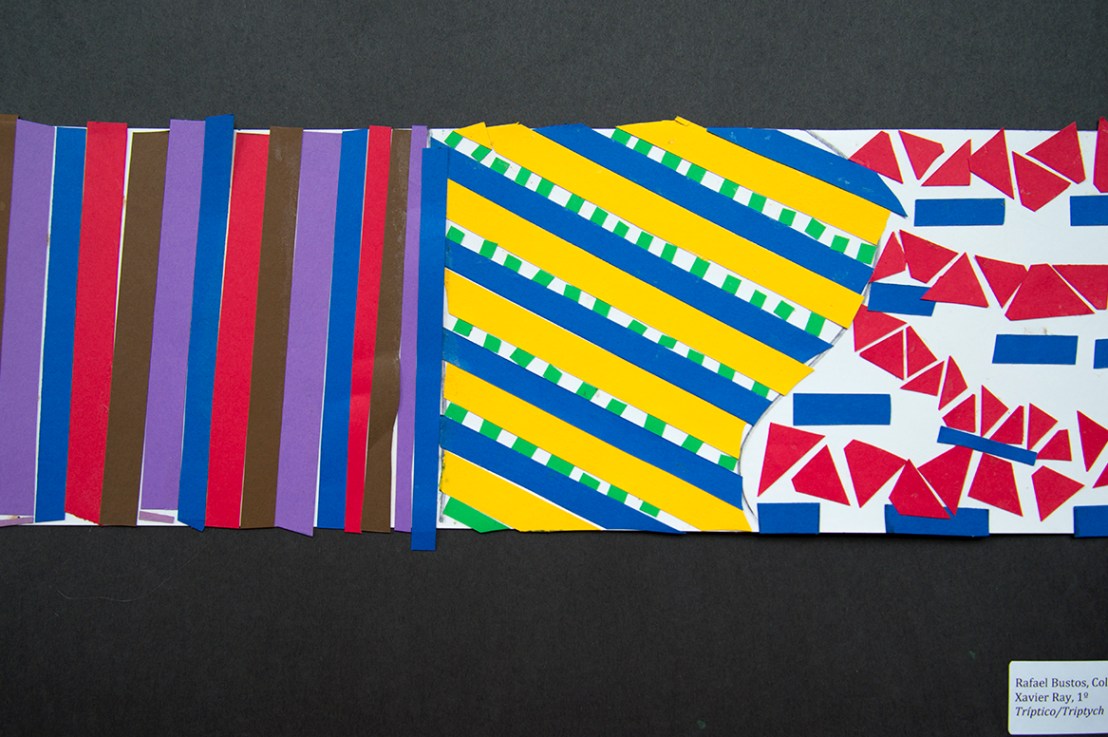
Students will reinforce their understanding of patterns in art by creating collage patterns both individually and then in trios for a triptych of patterns.
Activity statement –
Pattern is one of the elements of the visual arts. It is represented as repetition, be it of a color, line, shape, symbol or combination of some or all of these. The repetition can serve to communicate a sense of balance, rhythm, harmony, movement and contrast in the artwork.


Description of the Unit –
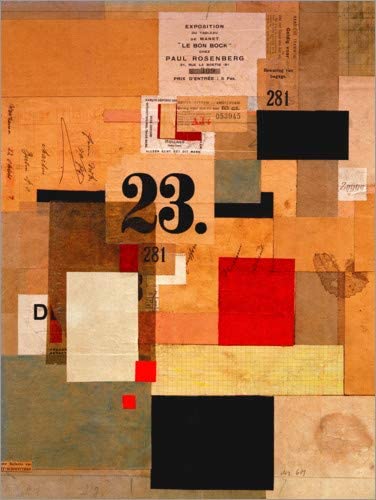
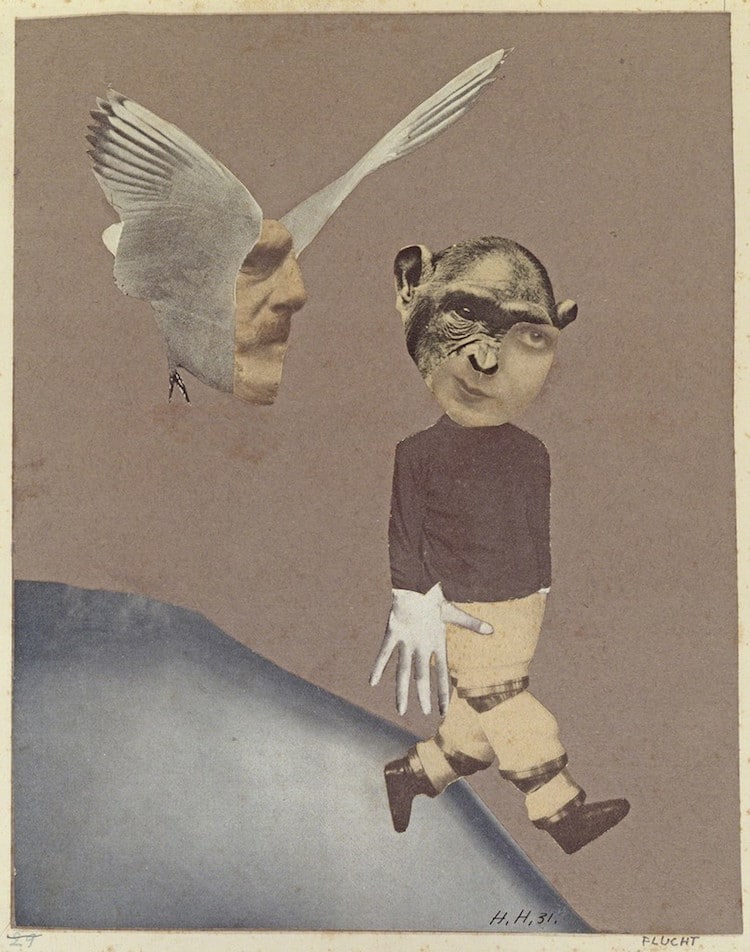
Students will learn about a variety of mixed media collage artists and create their own mixed media collage from thoughtfully compiled items.
(FYI: I have a little video tutorial that I made for my students during the Covid-19 shelter-in-place period that takes this assignment one step further by making it a “secret” collage. Check it out to see what I mean:)
Activity statement –
The term “collage” comes from the French word coller, or “to glue.” Originated by the Cubists, the collages were mixed media assemblages of newsprint, photographs, magazines and books, as well as wood, painted paper and sometimes even three-dimensional objects. For this lesson students will observe and discuss the work of three well-known collage artists, Hannah Hoch, Eileen Agar & Kurt Schwitters, and use their collages as inspiration for their own mixed media collage. However, students will be considering very personal objects and text to include in his or her own collage as each collage will also feature a stylized self-portrait photo.

Description of the Unit –
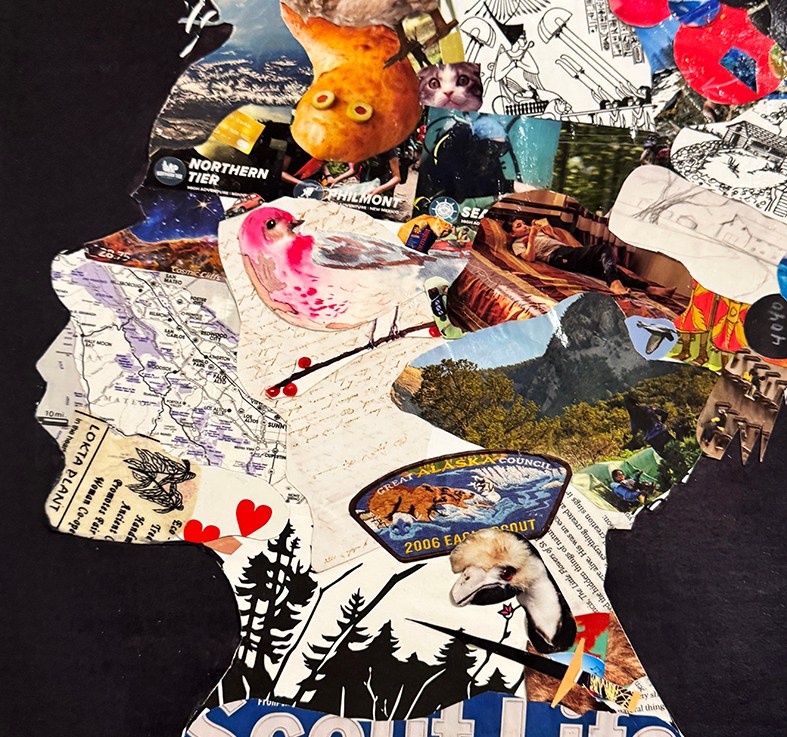
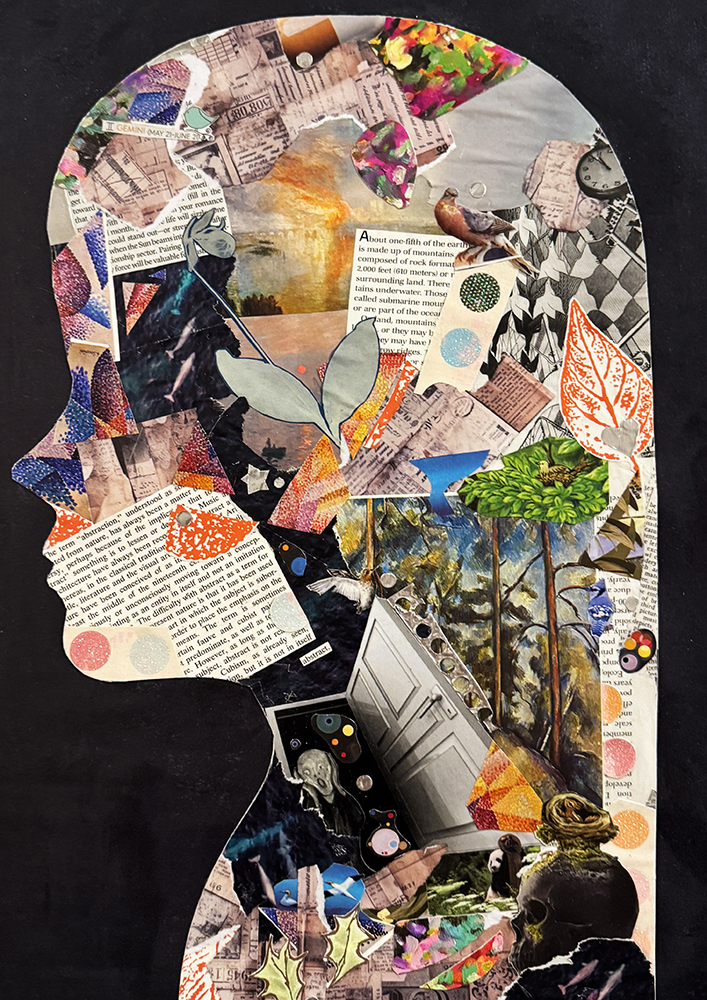
This is an excellent unit to teach symbolism via imagery. Using their actual profiles in silhouette, middle school students thoughtfully gathered and arranged images and text that they felt represented them in some way, placing them within their silhouettes, allowing us a glimpse into who they are.
 In the K-8 Art Studio with Anita Sagastegui