Description of the Unit – Students will learn basic sewing techniques to sew a simple image onto burlap
Continue reading “3rd Grade – Colorful, Fun Basic Sewing Sampler”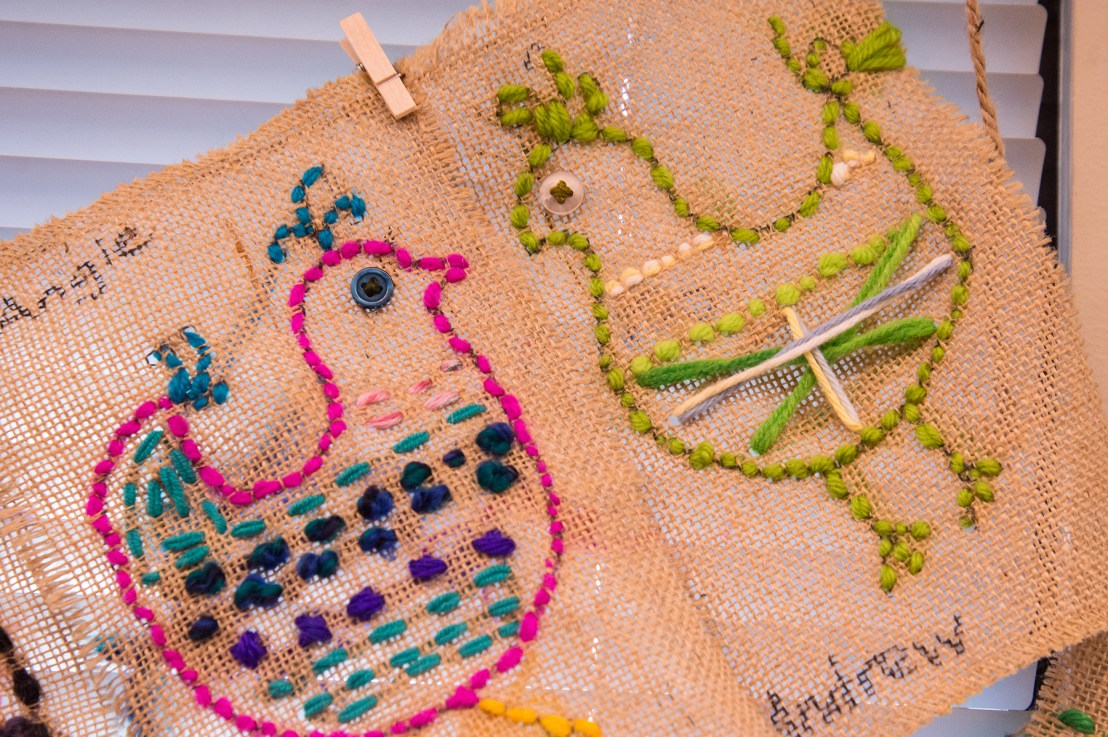
Lessons for visual art education – where it's about the process, not the product
Tag: curriculum
Description of the Unit – Students will learn basic sewing techniques to sew a simple image onto burlap
Continue reading “3rd Grade – Colorful, Fun Basic Sewing Sampler”
Description of the Unit –
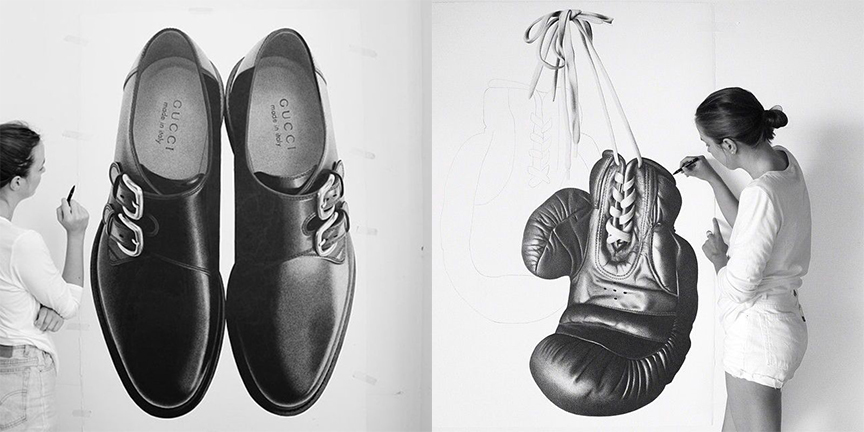
We begin by diving into the fascinating art of CJ Hendry. Hendry expresses having no formal art training and considers herself “not very creative.” Yet she’s a dedicated, innovative artist whose works are primarily hyper-realistic, large scale pencil drawings of (mostly) luxury objects that sometimes take 200 hours to complete. Working with pencil on paper her pieces are achieved through layers of what she refers to as scribbles. Watching her work (you can see some fun videos of her at work here: https://youtu.be/KB8vc9M4QWs and https://youtu.be/KixMpzhMS-o) students become awe-struck by the way her tireless pencil strokes become such lifelike, more-than-photographic representations of real-life objects. They wonder aloud how she does it, exclaiming that they would love to draw like Hendry. I tell them that this unit will give them a foundation for getting there.
Description of the Unit –
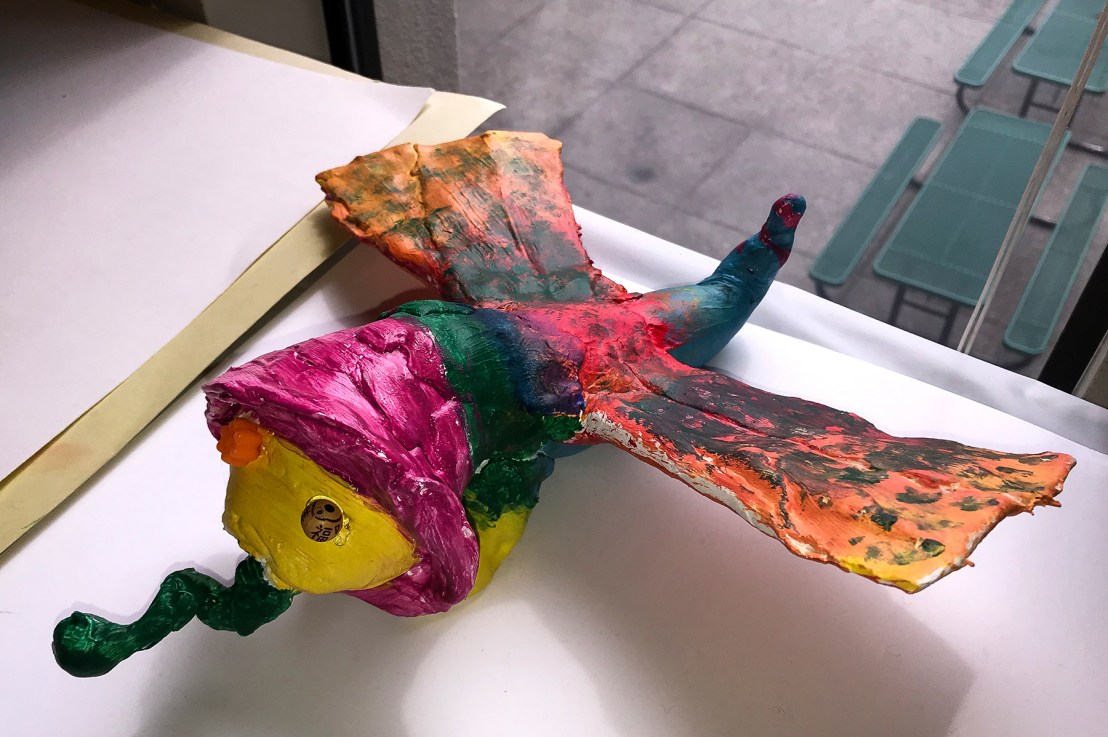
Students learned about Mexican artist Pedro Linares López and his fantastical, wild Alebrijes, imaginative and colorful papier-mâché creatures that Linares originated. Students created their own Alebrijes out of clay, paint and various objects.
Continue reading “8th Grade – Playing with Pedro Linares’ Alebrije”
Description of the Unit –
Students will explore the monochromatic, rhythmic and balanced found-art assemblages of Louise Nevelson, and create their own assemblages both individually and in small groups.
Continue reading “7th Grade – The Art of Assemblage with Louise Nevelson”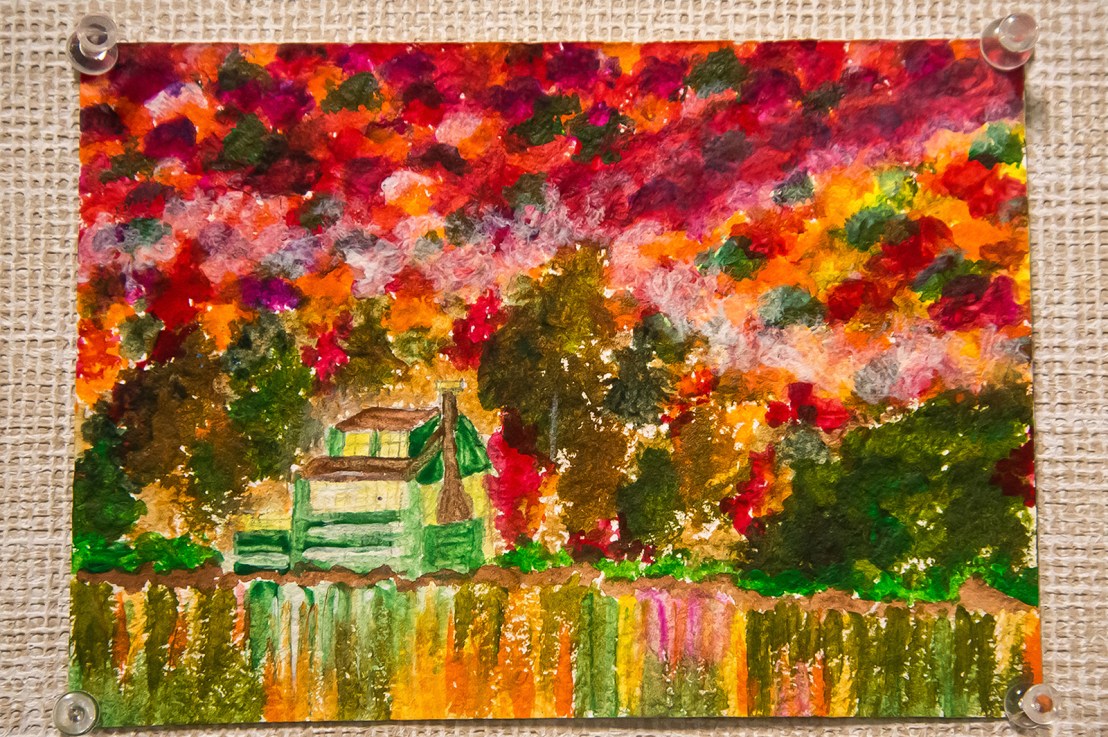
Description of the Unit –
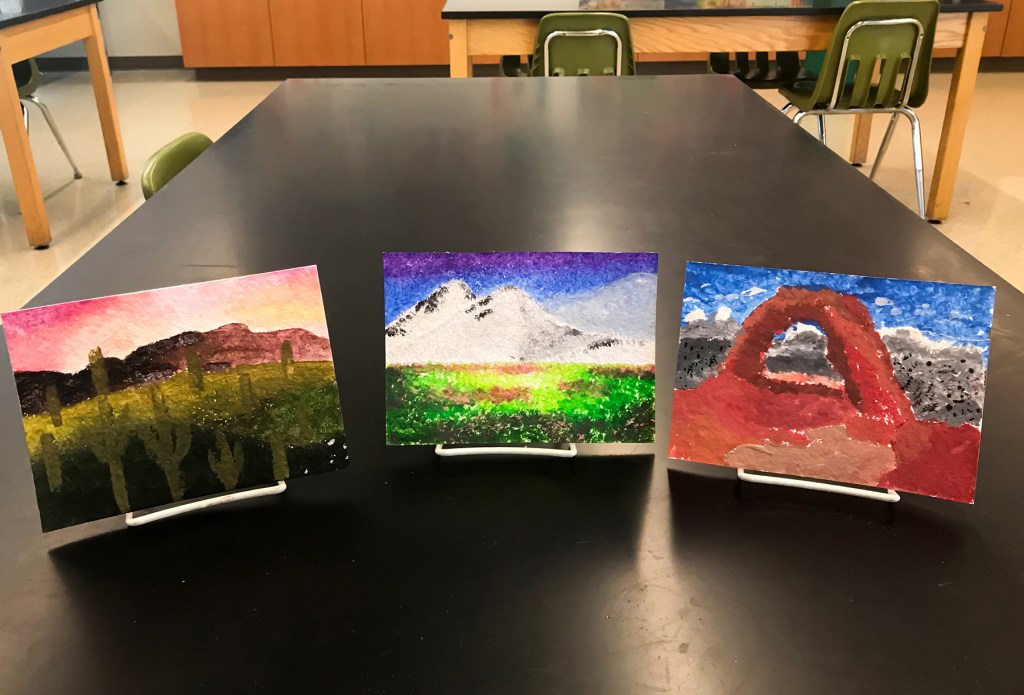
Students will practice a variety of painting techniques (including color mixing and brush effects) for acrylic painting, practicing these for various effects. Students will then choose a nature postcard to use as a reference for their own painting. Students will eventually create at least two different paintings in acrylic of two different nature scenes, trying to use the techniques learned to recreate specific textures and effects.

Description of the Unit –
Students will explore the whimsical, yet ordered and divinely balanced kinetic sculptures of Alexander Calder, using his work as inspiration for their own kinetic sculpture.

Description of the Unit –
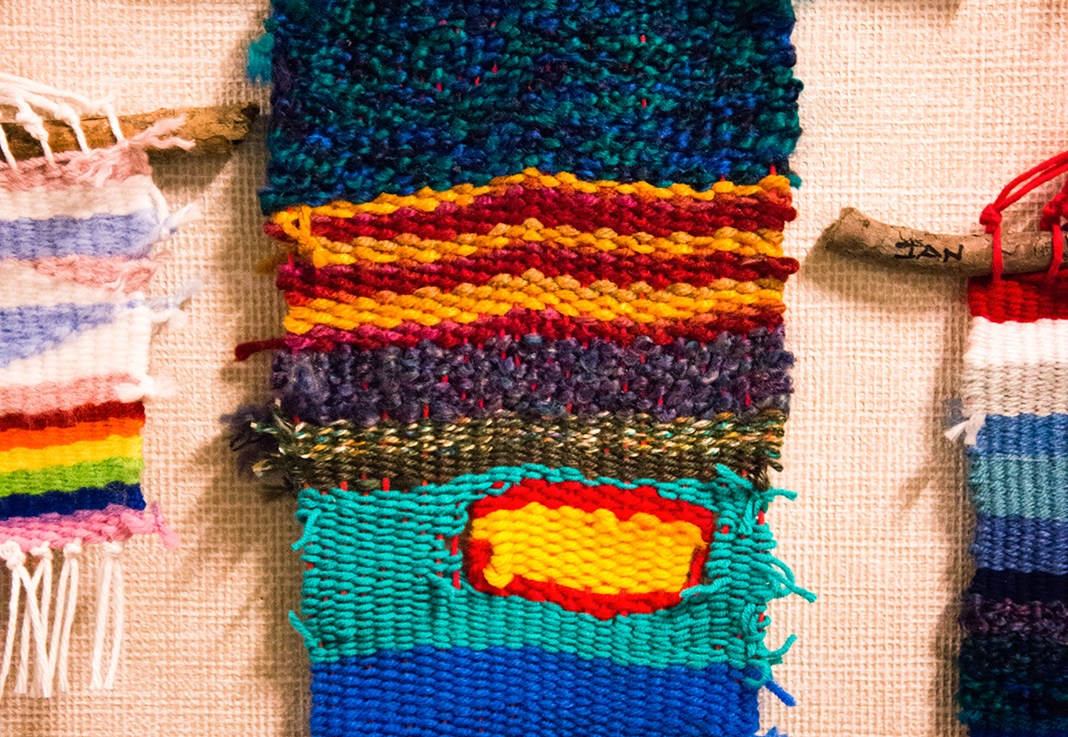
Students will practice simple loom weaving and create one small tapestry.
Activity statement –
In the California Visual Arts Standards, fourth grade students should experience using “fibers…to create a simple weaving,” (2.4, Creative Expression). Further, as students will be working on sewing samplers in fifth grade, they will benefit from this opportunity to develop their hand-eye coordination and fine motor skills. Finally, while practicing this simple weaving technique on a cardboard loom, students will reinforce their understanding of color and pattern via the design they choose to weave.

Description of the Unit –
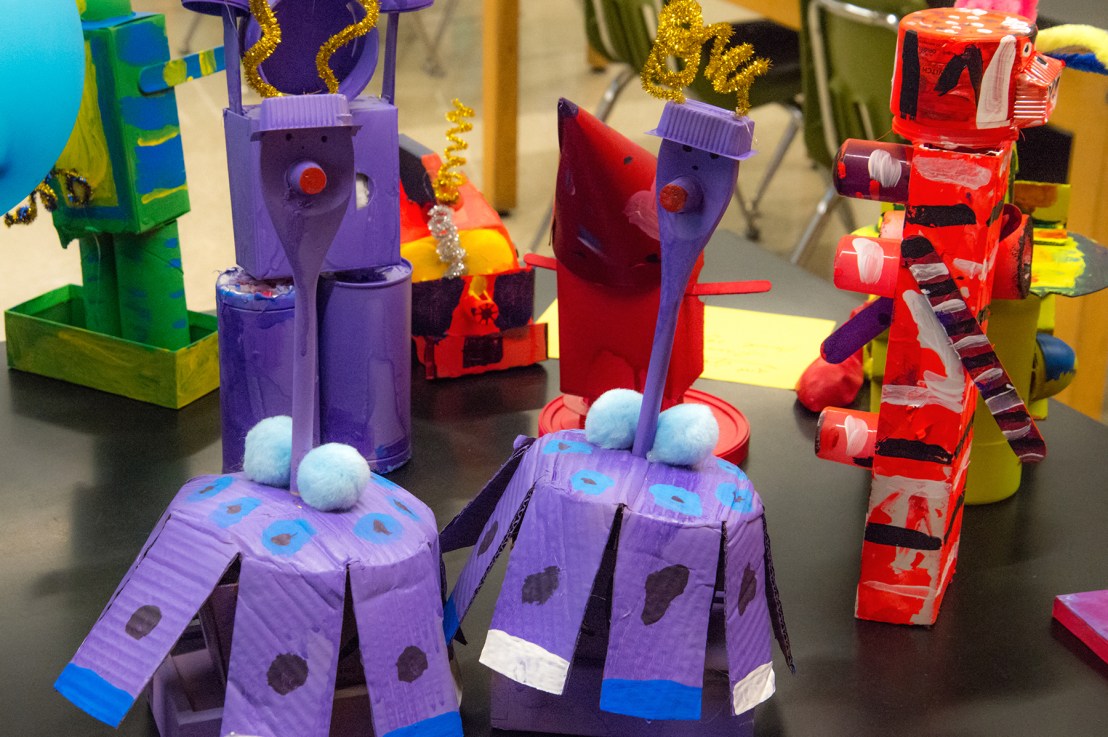
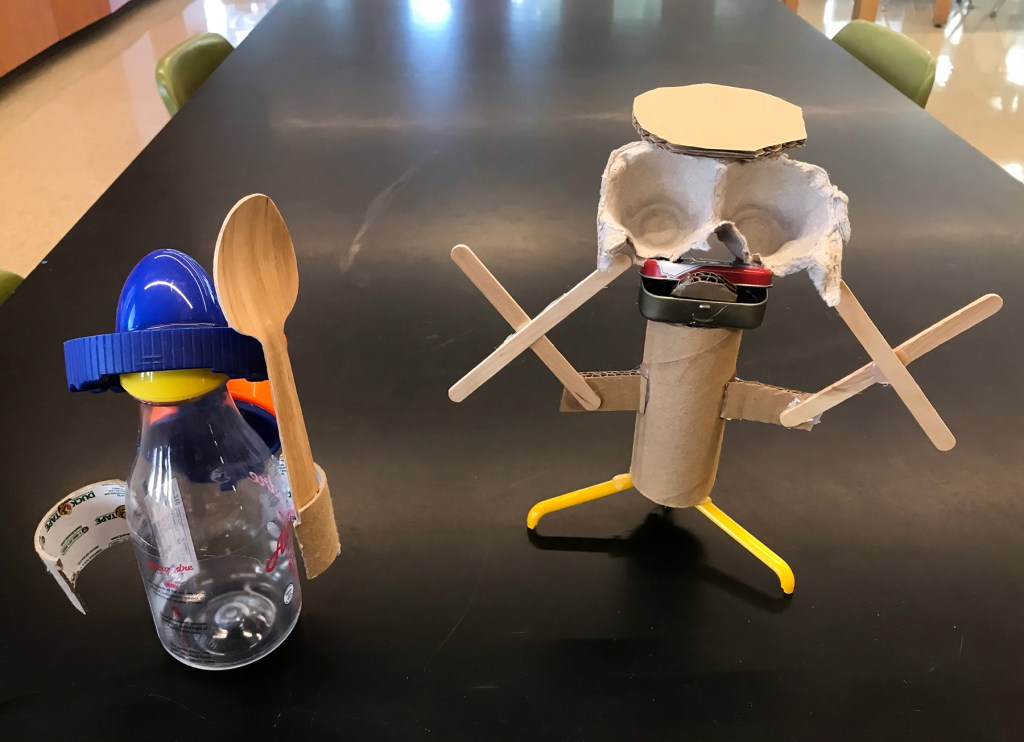
This unit supports the interdisciplinary 3rd grade unit of study on space and the universe which students are working on in science, history, music and writing as well as art. In art class students will construct alien creatures out of repurposed objects, and design planets in oil pastels for the backdrop in their music show. This post will focus on the found-object aliens.

Description of the Unit –
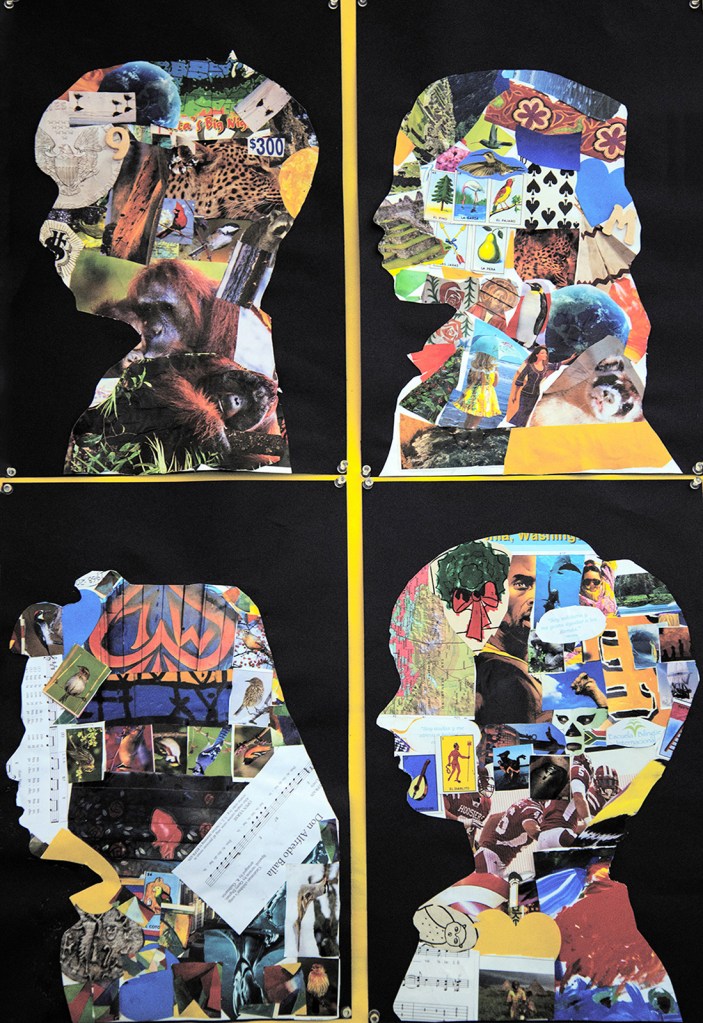
Students will explore the concept of symbolism in art, and how they can use symbols—images—to represent aspects of themselves. Using magazines, books and other random two-dimensional found objects (such as playing cards or ticket stubs), students will carefully arrange symbolic imagery into a collage within a silhouette of their own profile.

Description of the Unit –
This unit merges a study of pointillism with the practice of symmetry, culminating in insect designs that use pointillism to create symmetrical sides to each insect.

 In the K-8 Art Studio with Anita Sagastegui