Description of the Unit –
Students will learn a little about the history of marbled paper, and will observe the different kinds of designs known to the craft. In groups they will then make their own marbled paper

Lessons for visual art education – where it's about the process, not the product
Tag: Art History

Description of the Unit –
Students will learn a little about the history of marbled paper, and will observe the different kinds of designs known to the craft. In groups they will then make their own marbled paper
Description of the Unit –
Students will explore the history of found object sculpture and create numerous sculptures of their own in a play-based approach with a variety of objects.
Continue reading “1st Grade – Found Object Sculpture”
Description of the Unit –
Students will explore the monochromatic, rhythmic and balanced found-art assemblages of Louise Nevelson, and create their own assemblages both individually and in small groups.
Continue reading “7th Grade – The Art of Assemblage with Louise Nevelson”
Description of the Unit –
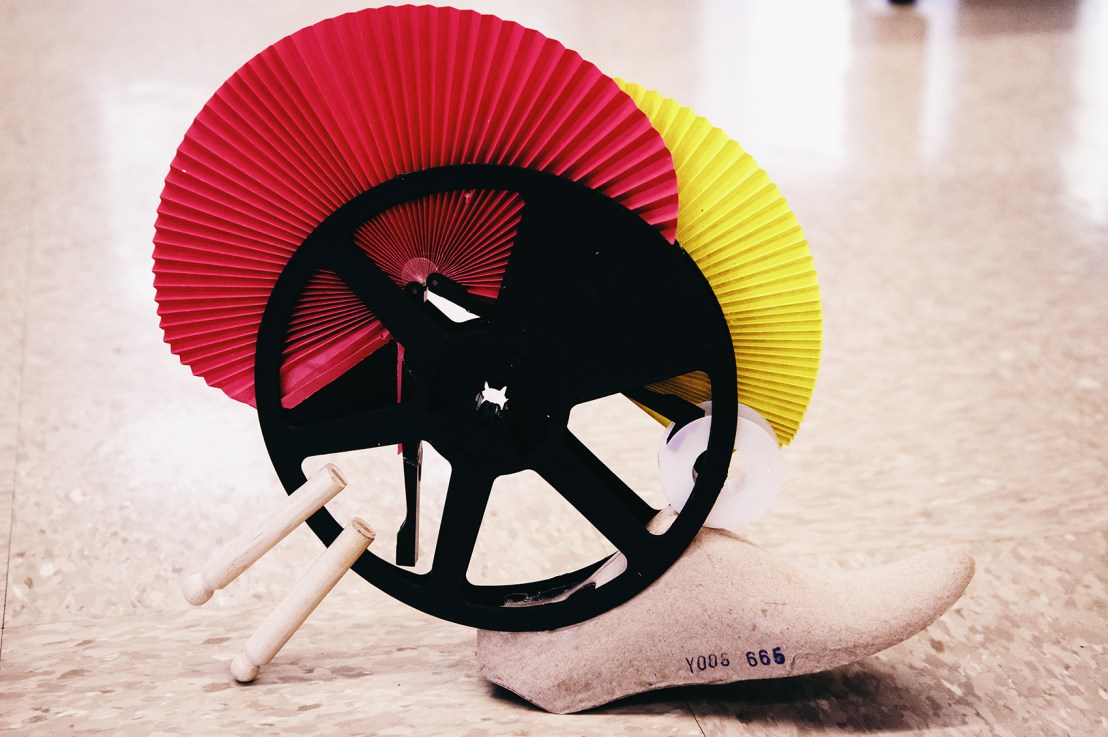
Students will explore the whimsical, yet ordered and divinely balanced kinetic sculptures of Alexander Calder, using his work as inspiration for their own kinetic sculpture.


Description of the Unit –
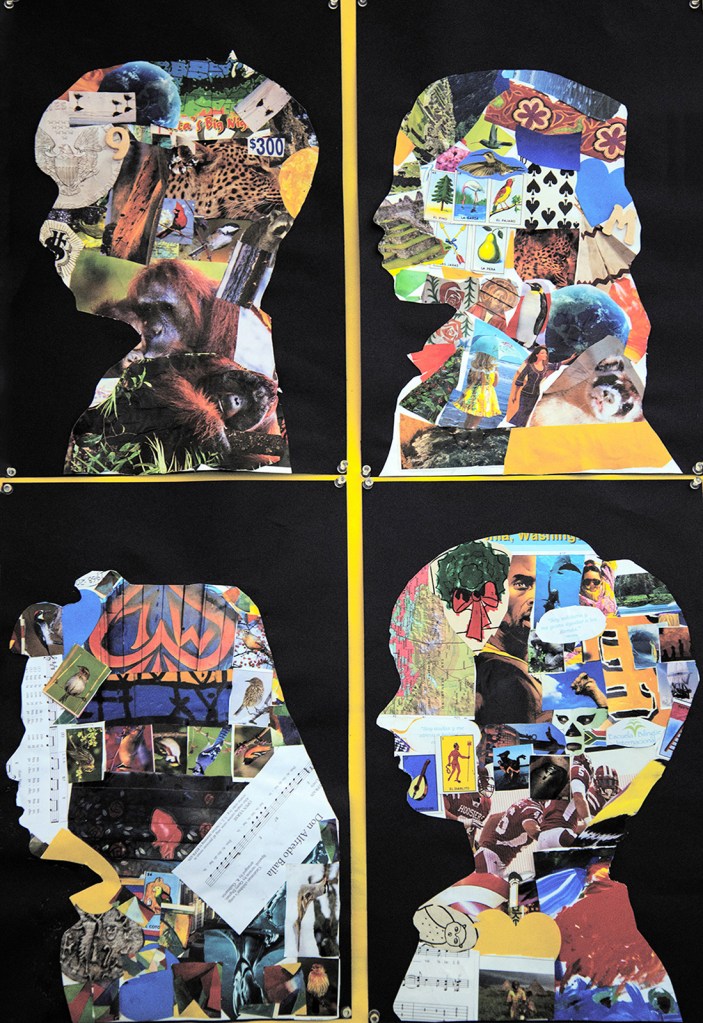
Students will explore the concept of symbolism in art, and how they can use symbols—images—to represent aspects of themselves. Using magazines, books and other random two-dimensional found objects (such as playing cards or ticket stubs), students will carefully arrange symbolic imagery into a collage within a silhouette of their own profile.

Description of the Unit –
This unit merges a study of pointillism with the practice of symmetry, culminating in insect designs that use pointillism to create symmetrical sides to each insect.


Description of the Unit –
Students will explore the work and approaches to painting innovated by Helen Frankenthaler, and use very simple soak-stain techniques to apply watercolor onto paper to create equally vibrant washes.

Description of the Unit –
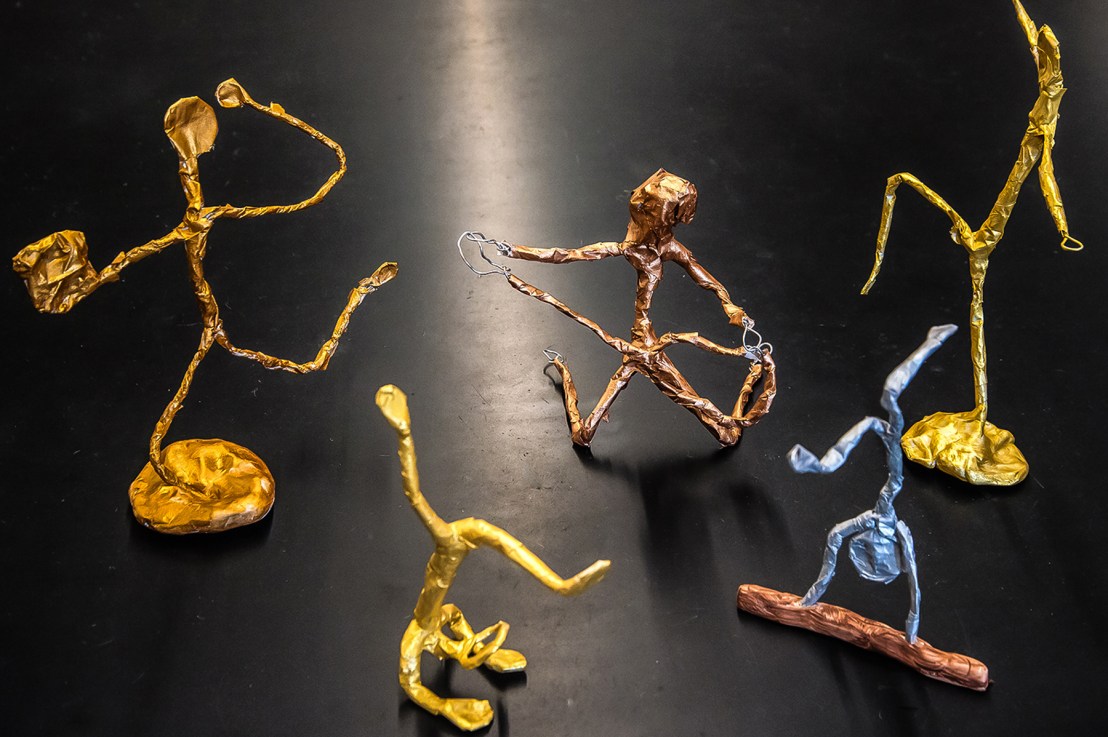
Observing the distorted gestural figure sculptures of Alberto Giacometti (1901-1966), as well as the elongated, rhythmic figure paintings by Ernie Barnes (1938-2009) that both emphasize and exaggerate long limbs, students will create similarly distorted, gestural sculptures primarily out of wire.

Cubist-inspired Figure & Portrait Studies
Description of the Unit –
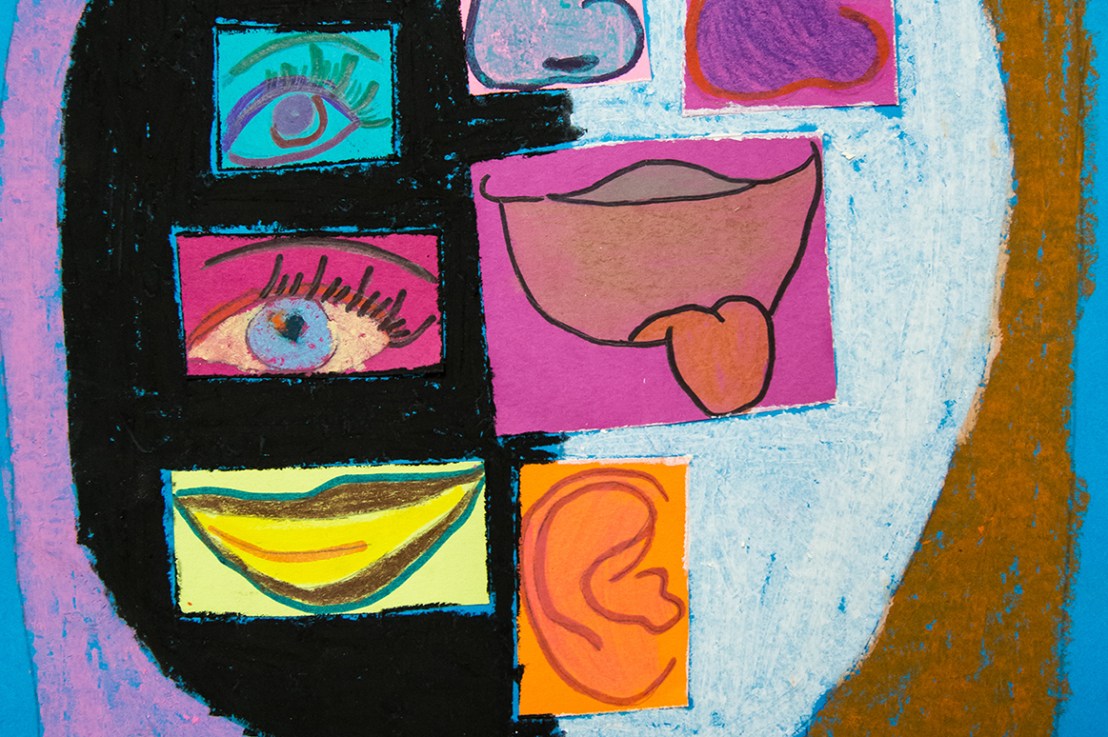
Students practiced aspects of traditional figure study, learning to draw facial features, hands and feet. Students then built on their experience to explore the Cubist approach to the figure, and used what they learned about Cubism to create a cubist-inspired portrait or figure collage their earlier drawings.

Line & Color with Keith Haring
Description of the Unit –
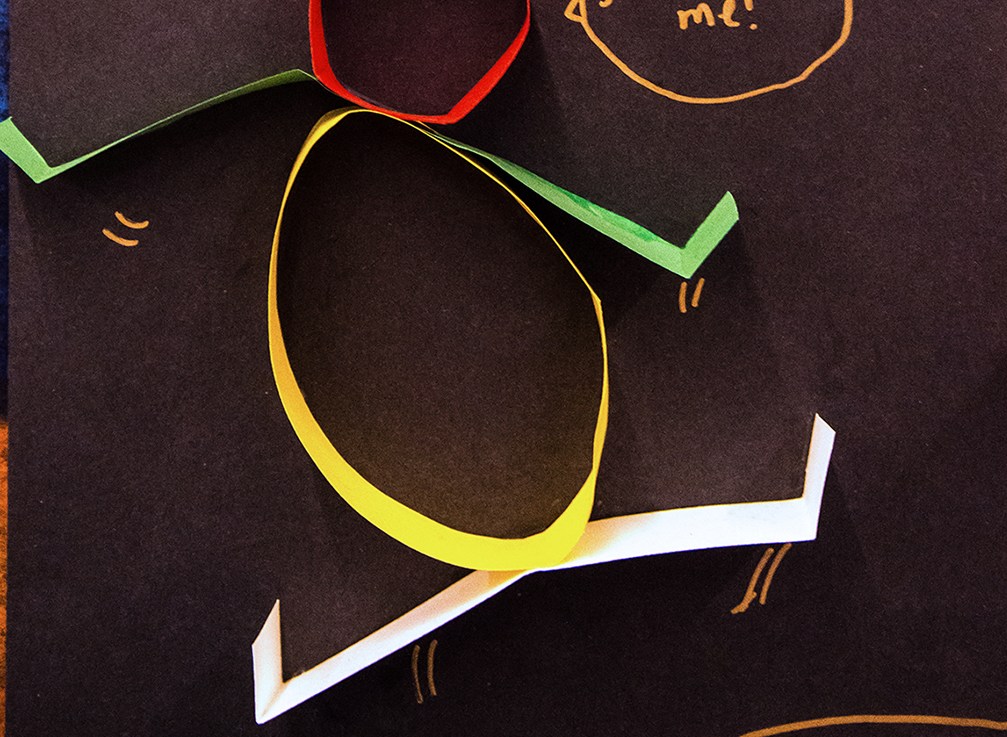
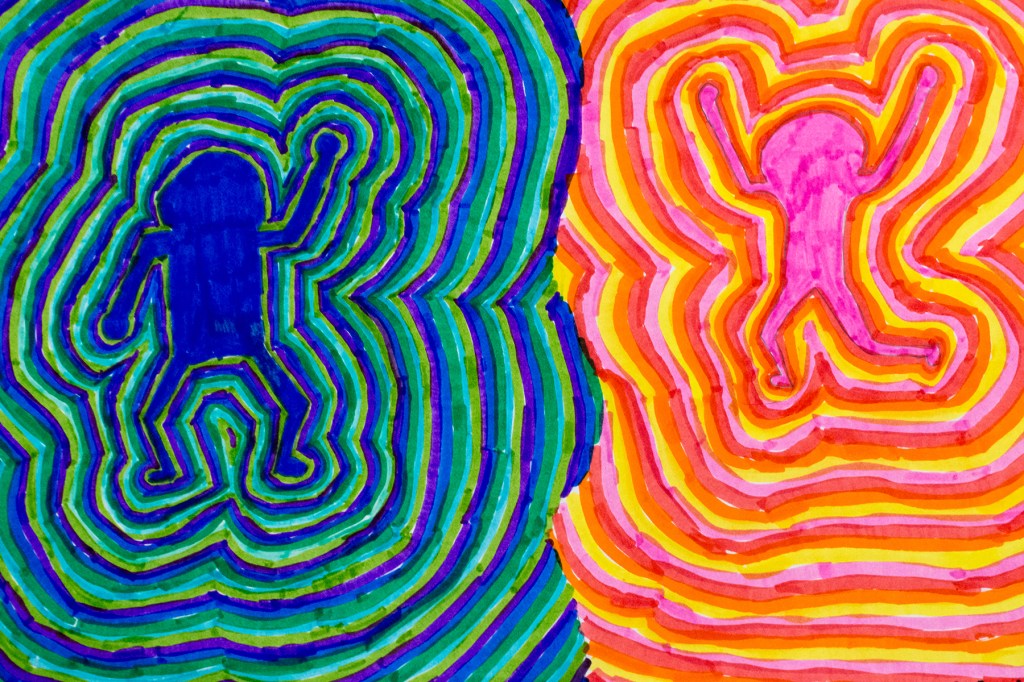
Students explored the work of contemporary New York artist Keith Haring. A crafty, resourceful and thoughtful artist, Haring created artwork with powerful messages using deceptively simple, cartoon-like designs in a variety of spaces, both private and public. His work was accessible to a diverse public in ways few artists had achieved.
Students observed and discussed his use of bold, primary and secondary colors, but more importantly they focused on Haring’s use of straightforward line to suggest movement, gesture and feeling. Students attempted their own designs inspired by the characteristics of Haring’s work. The first lesson had students create designs in 2-D, the second in 3-D.
 In the K-8 Art Studio with Anita Sagastegui