Description of the Unit –
Students will explore the history of found object sculpture and create numerous sculptures of their own in a play-based approach with a variety of objects.
Continue reading “1st Grade – Found Object Sculpture”Lessons for visual art education – where it's about the process, not the product
Tag: elementary school
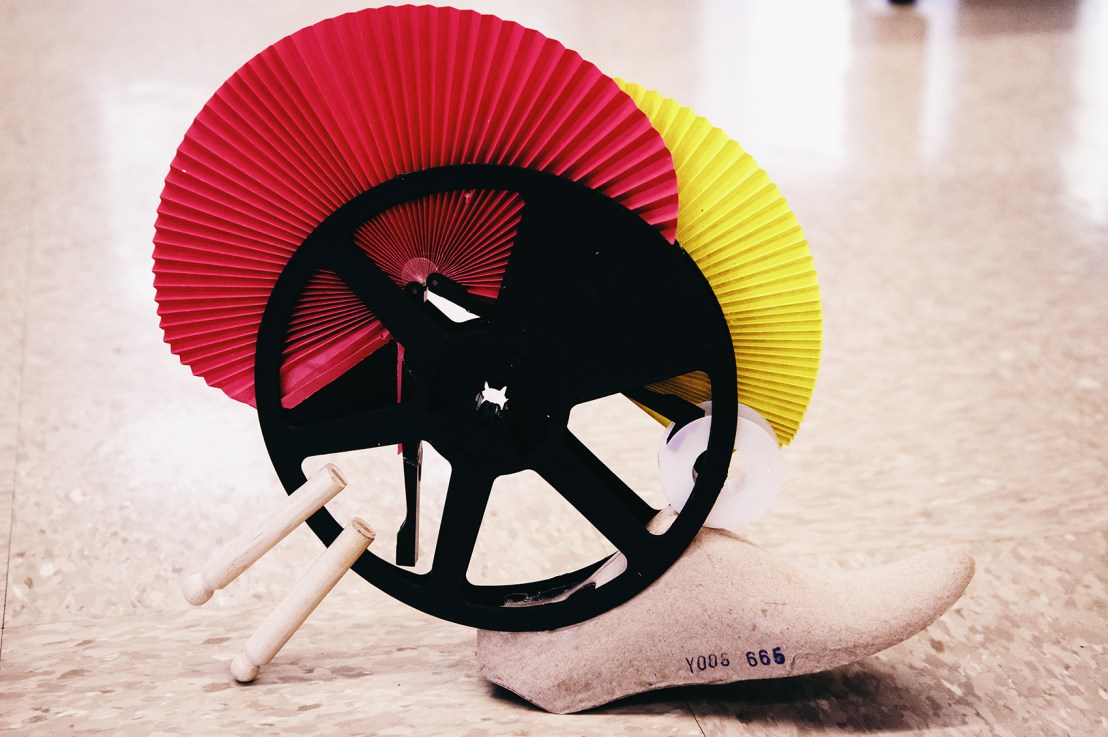
Description of the Unit –
Students will explore the history of found object sculpture and create numerous sculptures of their own in a play-based approach with a variety of objects.
Continue reading “1st Grade – Found Object Sculpture”
Description of the Unit –
Students will explore Andy Goldsworthy’s ephemeral land art, then venture outside to come up with their own environmental sculptures.
Activity statement –
Andy Goldsworthy is known as an environmental or land artist. What this means is that he uses natural artifacts—branches, leaves, rocks, ice, etc.—to create his sculptures and installations. Goldsworthy’s art is also temporary. He never creates anything that won’t eventually be destroyed by waves, wind and natural processes. Goldsworthy invites the viewer to contemplate the ephemeral, transitory beauty of the natural world. His works involve the use of pattern, color and balance. Interestingly, all of the color in his work comes from the objects themselves, never from him painting any of it. So for example, if you look at the image that looks like a tree trunk ringed with glowing light or fire, he simply used fallen gold and orange leaves to give it that effect.


Description of the Unit –
Students will explore the whimsical, yet ordered and divinely balanced kinetic sculptures of Alexander Calder, using his work as inspiration for their own kinetic sculpture.

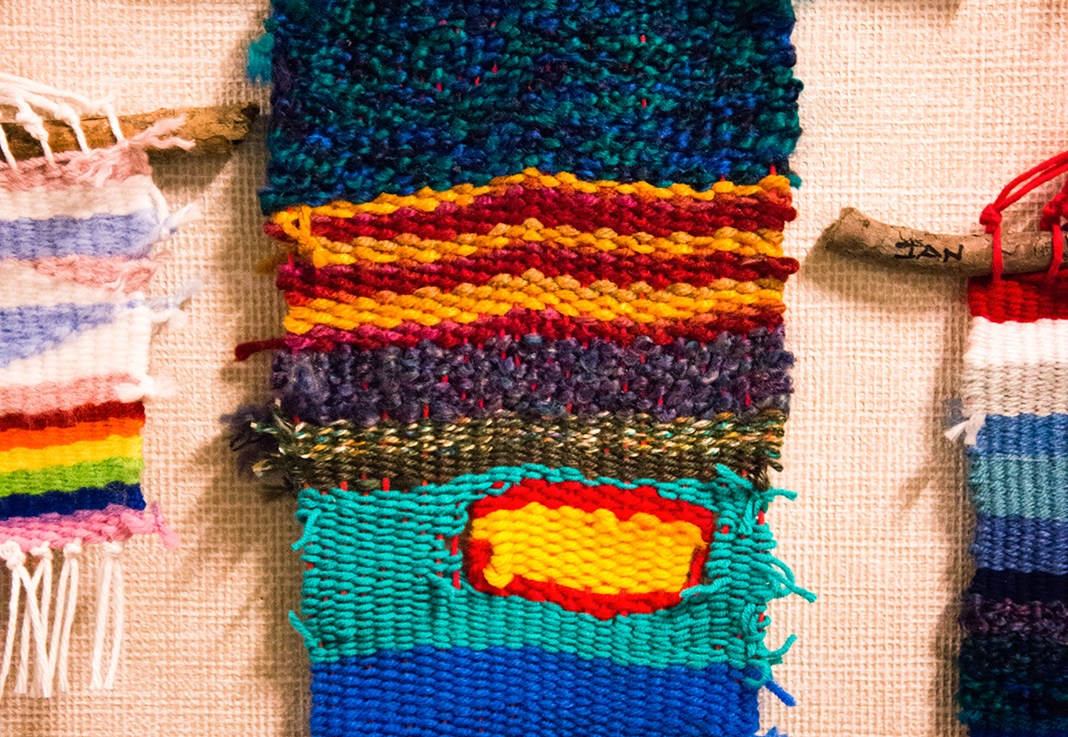
Description of the Unit –
Students will practice simple loom weaving and create one small tapestry.
Activity statement –
In the California Visual Arts Standards, fourth grade students should experience using “fibers…to create a simple weaving,” (2.4, Creative Expression). Further, as students will be working on sewing samplers in fifth grade, they will benefit from this opportunity to develop their hand-eye coordination and fine motor skills. Finally, while practicing this simple weaving technique on a cardboard loom, students will reinforce their understanding of color and pattern via the design they choose to weave.

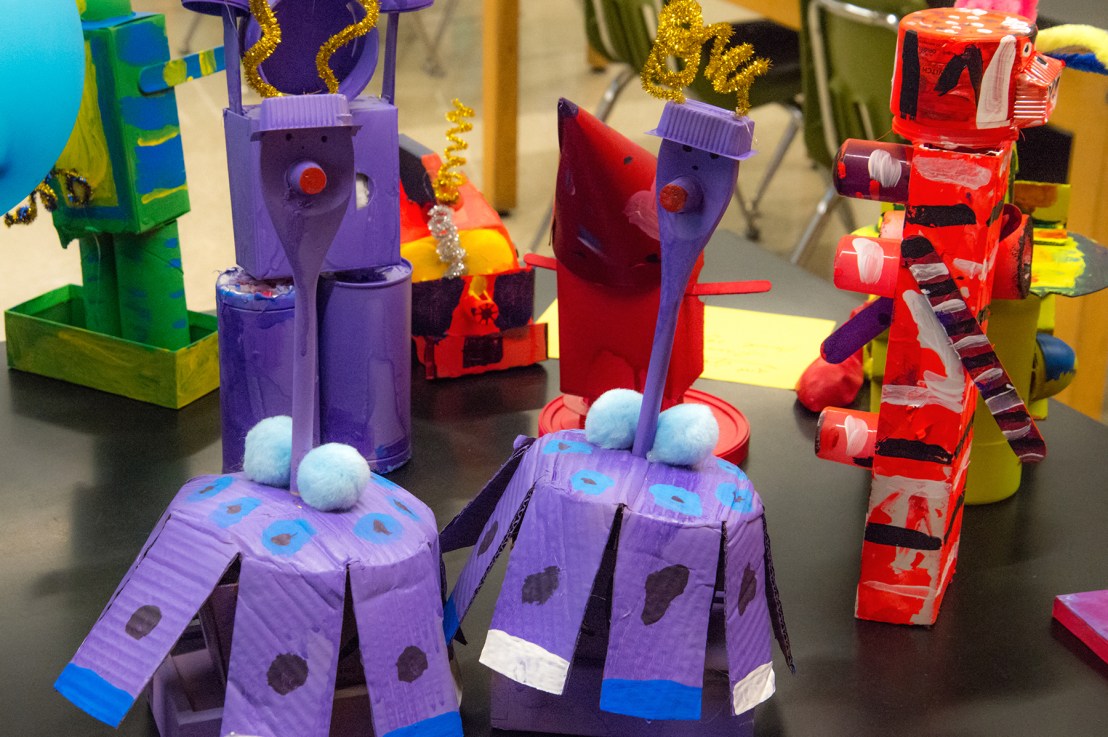
Description of the Unit –
This unit supports the interdisciplinary 3rd grade unit of study on space and the universe which students are working on in science, history, music and writing as well as art. In art class students will construct alien creatures out of repurposed objects, and design planets in oil pastels for the backdrop in their music show. This post will focus on the found-object aliens.
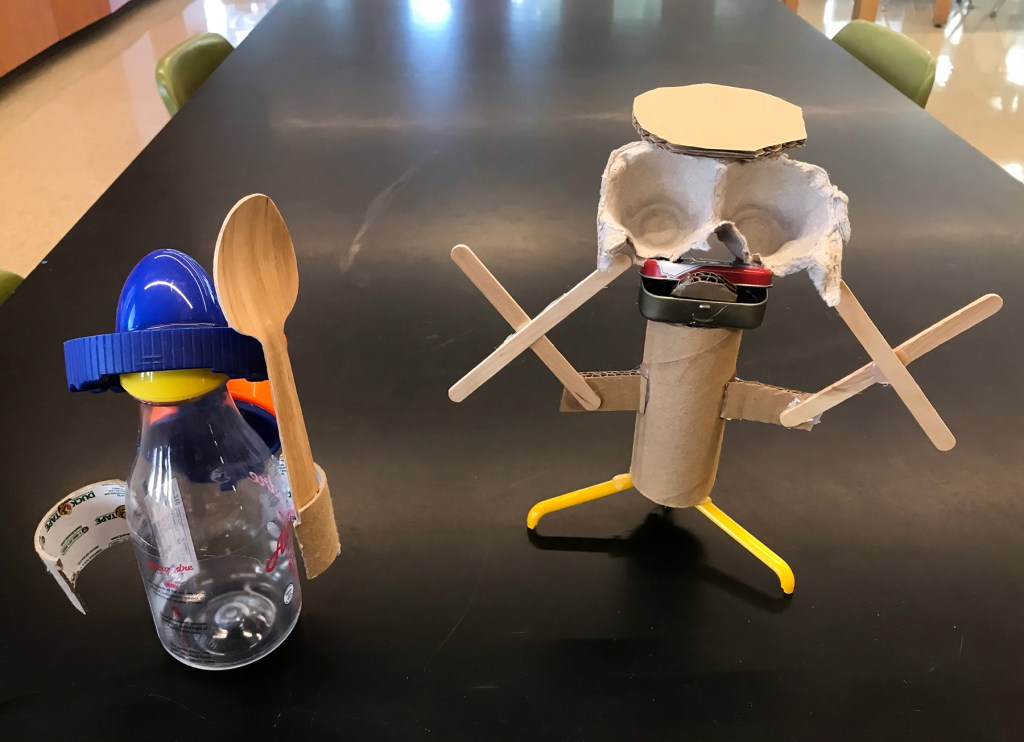
Description of the Unit –
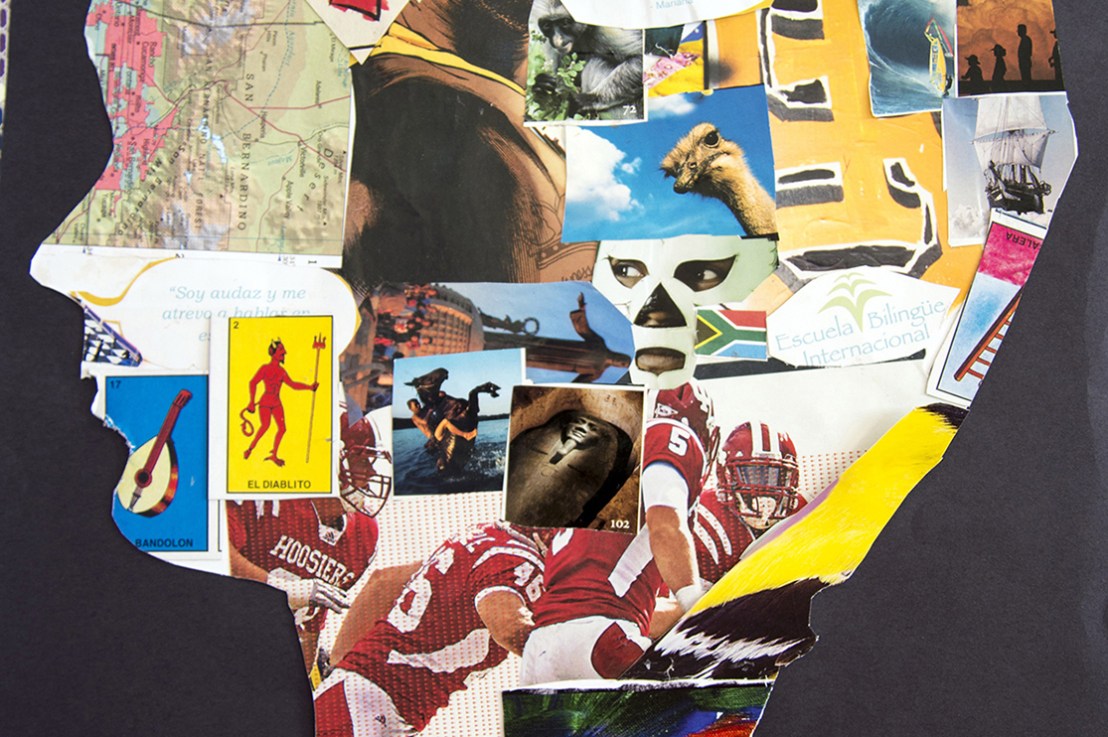
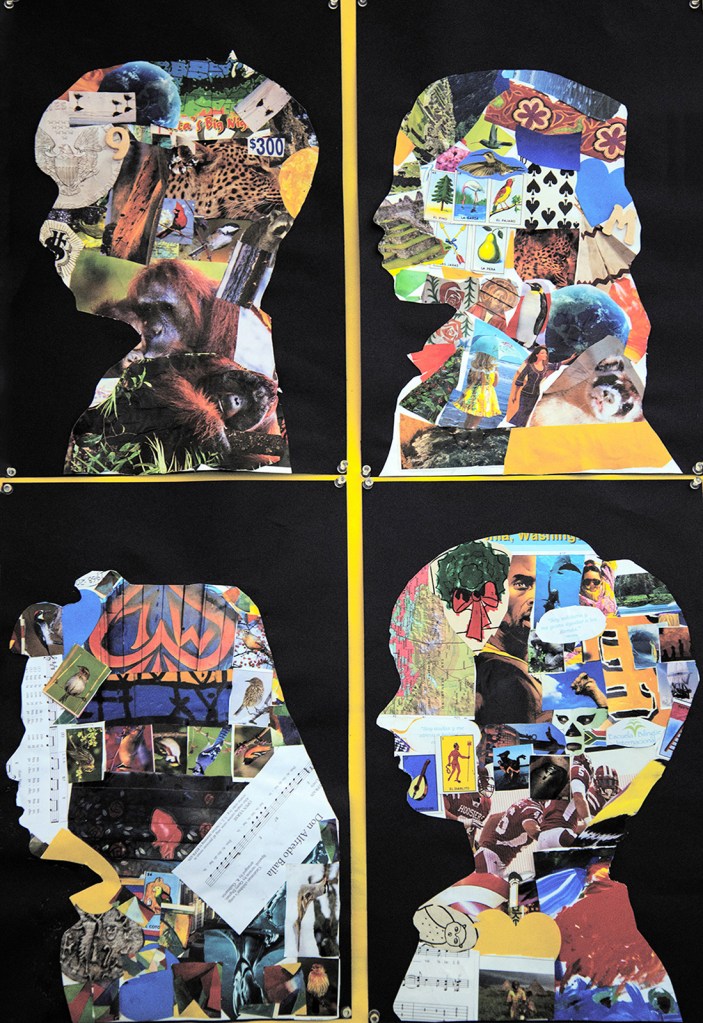
Students will explore the concept of symbolism in art, and how they can use symbols—images—to represent aspects of themselves. Using magazines, books and other random two-dimensional found objects (such as playing cards or ticket stubs), students will carefully arrange symbolic imagery into a collage within a silhouette of their own profile.

Description of the Unit –
This unit merges a study of pointillism with the practice of symmetry, culminating in insect designs that use pointillism to create symmetrical sides to each insect.


Description of the Unit –
Students will explore the work and approaches to painting innovated by Helen Frankenthaler, and use very simple soak-stain techniques to apply watercolor onto paper to create equally vibrant washes.

Description of the Unit –
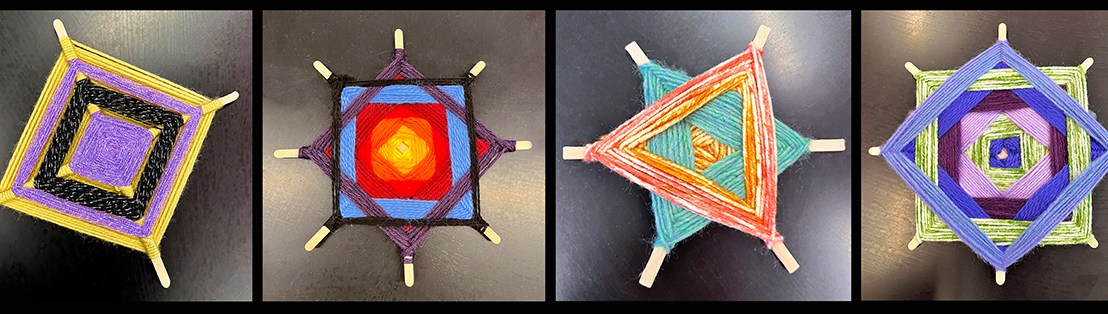
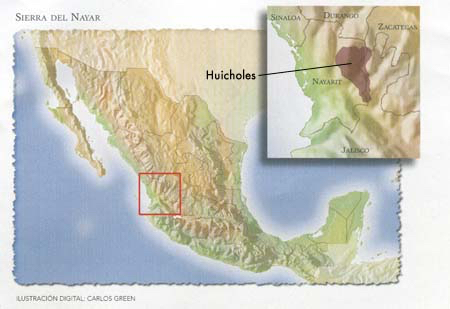
Students will learn about the Huichol tradition of weaving an “Ojo de Dios” and practice weaving one of their own, attempting more complicated patterns and techniques as they progress.
Activity statement –
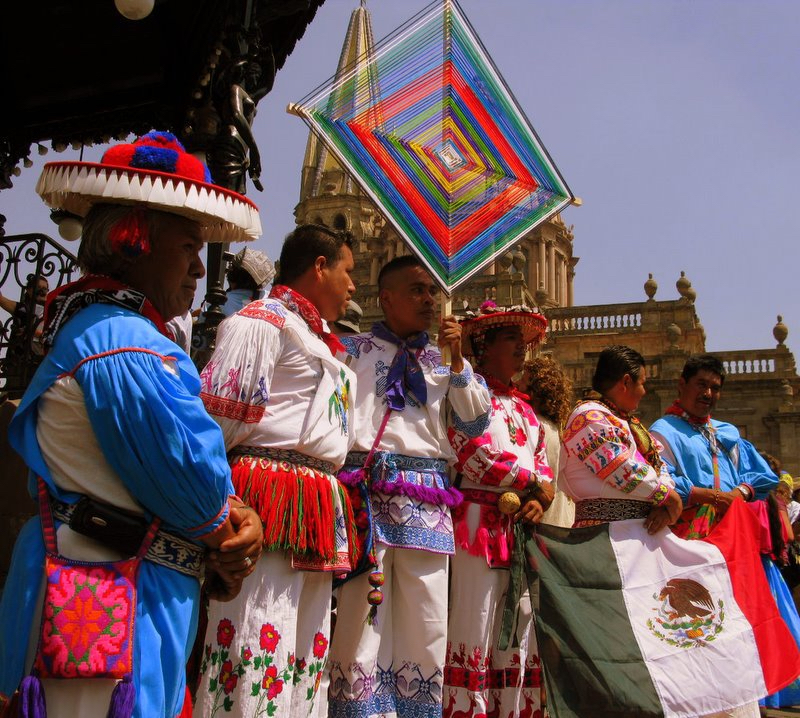
Upon the birth of a baby, Huichol (an indigenous Mexican group) parents weave a beautifully colored and elaborate “Ojo de Dios”, signifying health and protection throughout the child’s life. The child adds to this very Ojo de Dios with each new birthday starting at about age 5. Beginning with a simplified Huichol weaving style, students will create an Ojo de Dios, which will develop their hand-eye coordination and fine motor skills. With each new Ojo de Dios a student attempts, he/she will practice more complicated weaving techniques, create more elaborate color and shape designs, and improve their overall finished product.
I have a short video on making an Ojo de Dios here:
Cubist-inspired Figure & Portrait Studies
Description of the Unit –
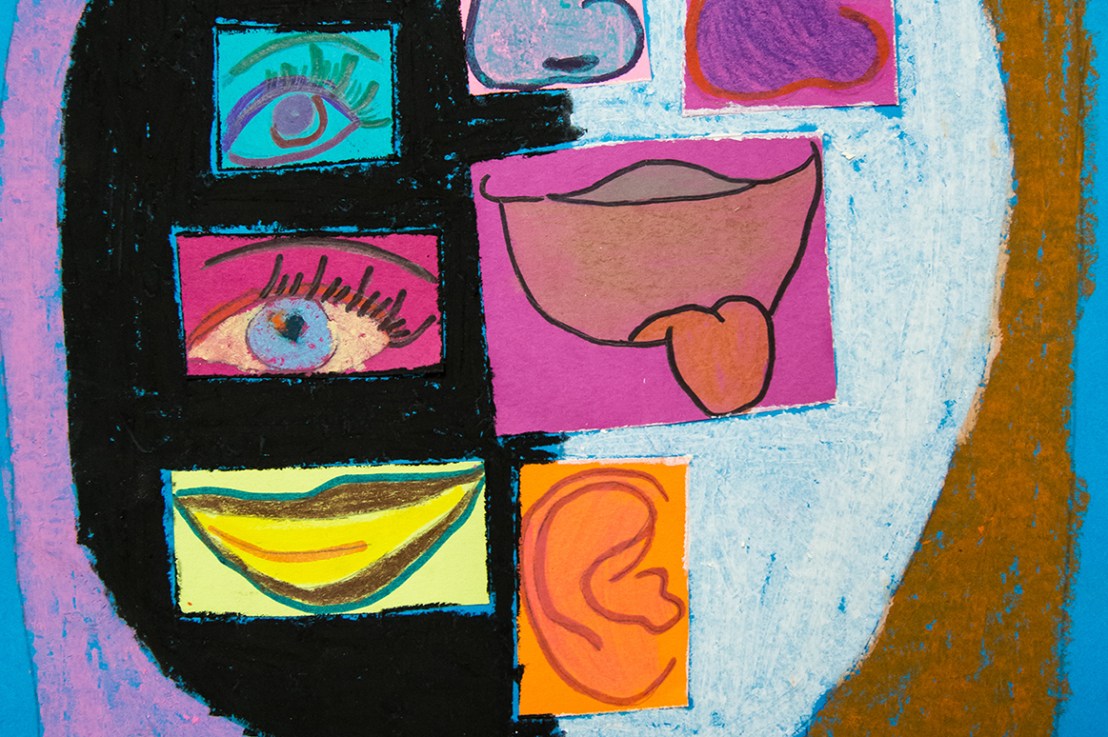
Students practiced aspects of traditional figure study, learning to draw facial features, hands and feet. Students then built on their experience to explore the Cubist approach to the figure, and used what they learned about Cubism to create a cubist-inspired portrait or figure collage their earlier drawings.

 In the K-8 Art Studio with Anita Sagastegui