Description of the Unit – This is a purely technical unit that allows students to explore combining watercolor painting techniques with other media.
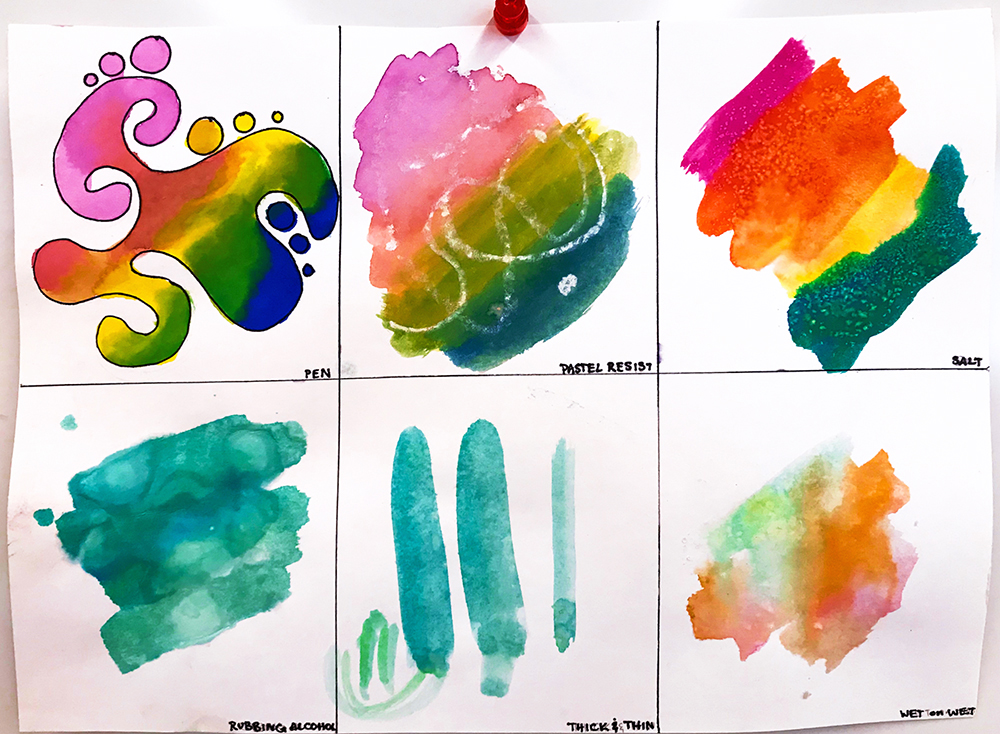
Lessons for visual art education – where it's about the process, not the product
Category: Painting
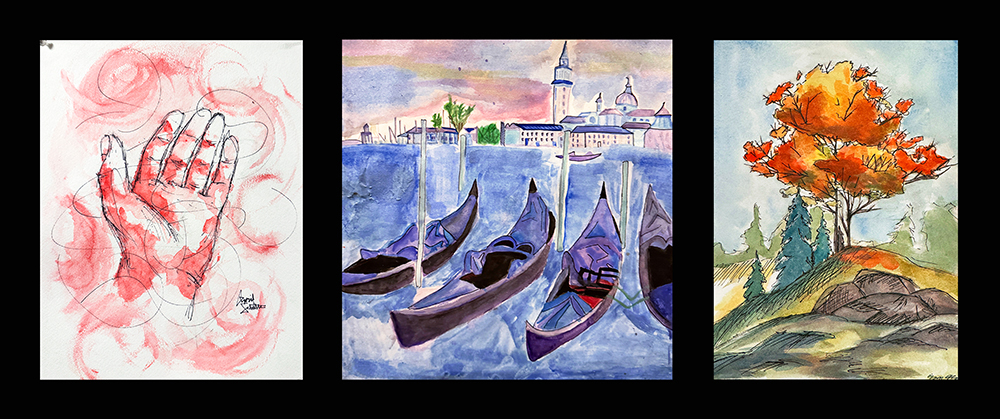
Description of the Unit – This is a purely technical unit that allows students to explore combining watercolor painting techniques with other media.

Description of the Unit – Second grade students explored Vincent van Gogh’s unique style of painting by observing and then recreating his famous Sunflowers still life.
Continue reading “2nd Grade – Recreating Vincent van Gogh’s Sunflowers”
Description of the Unit – Students will be “introduced” to Monet and will learn all about the ways he approached painting the world around him. Students will try to recreate his painting of water lilies, paying attention to their brushstrokes and the colors they choose.

Description of the Unit – Students will explore the famous cut-outs that Henri Matisse innovated in the 1940’s, as well as Rex Ray’s inventive contemporary collages. Throughout their exploration students will note the use of color, line, shape, texture and positive and negative space in the creation of a dynamic yet balanced composition.

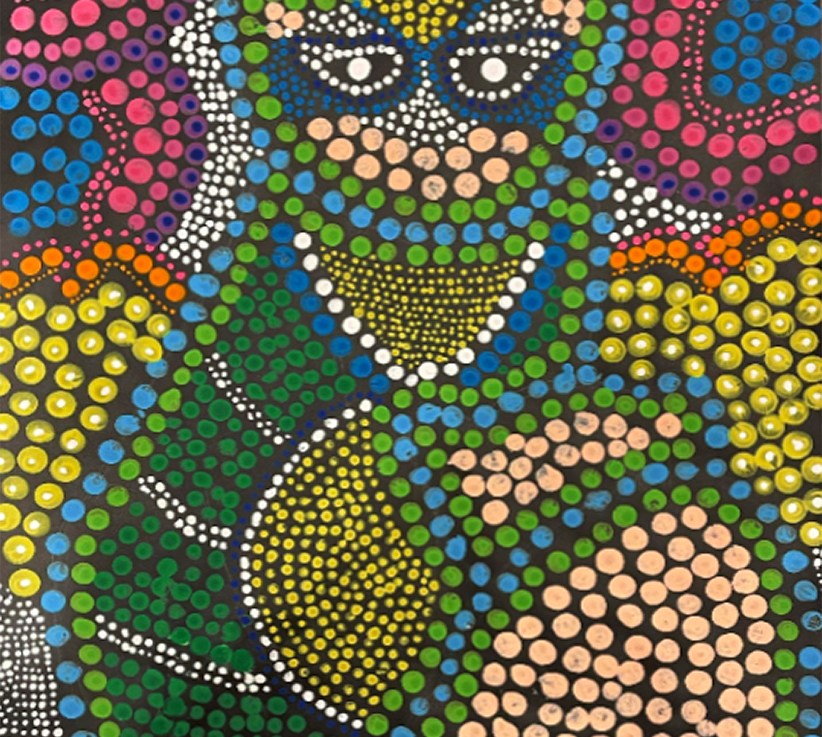
Description of the Unit – Students will observe and discuss examples of aboriginal dot painting, from very early examples to the art produced by the culture in present day. Students will use what they learned about color, pattern and symbol in their observations to create their own dot paintings, expressing scenes from nature.

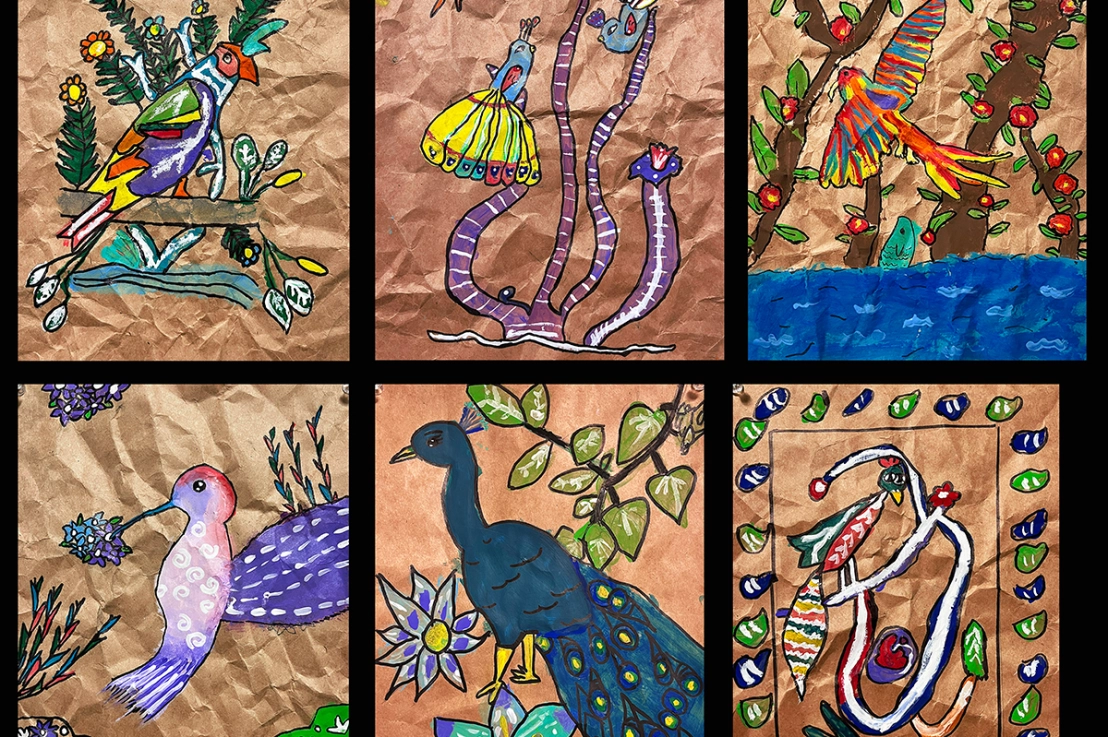
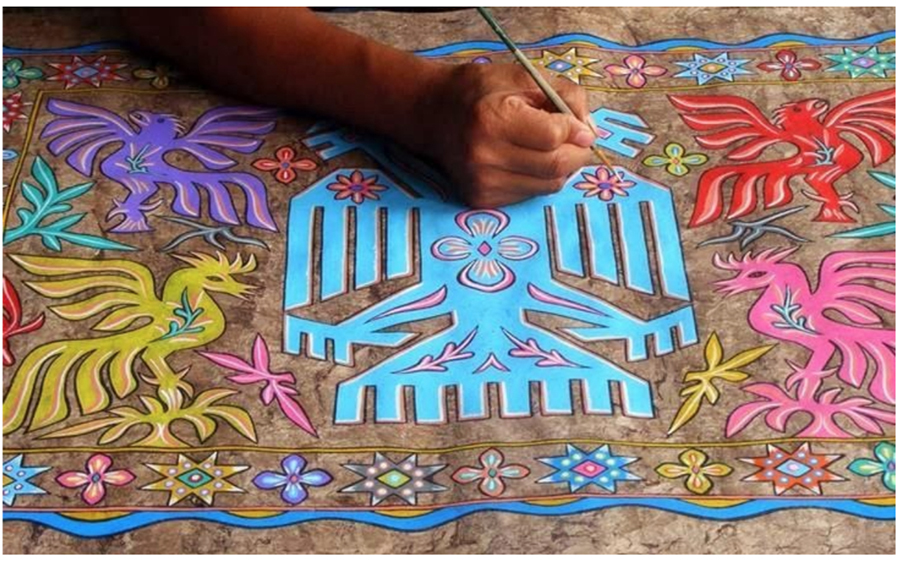
Description of the Unit – Students will explore the fascinating Mexican folk art known as Amate bark painting. Using their observations of the art form, students will crumple brown kraft paper (a part of this project they love) to give it a bark-like texture, and paint their own painting onto it in the same bold and bright colors as used by Mexican artisans of Amate.

Description of the Unit – (Not a unit per se, as we only spend a couple of class periods on this.) Students celebrate the arrival of spring by creating Sakura, or Japanese cherry blossoms, in the most amusing way…

Description of the Unit –
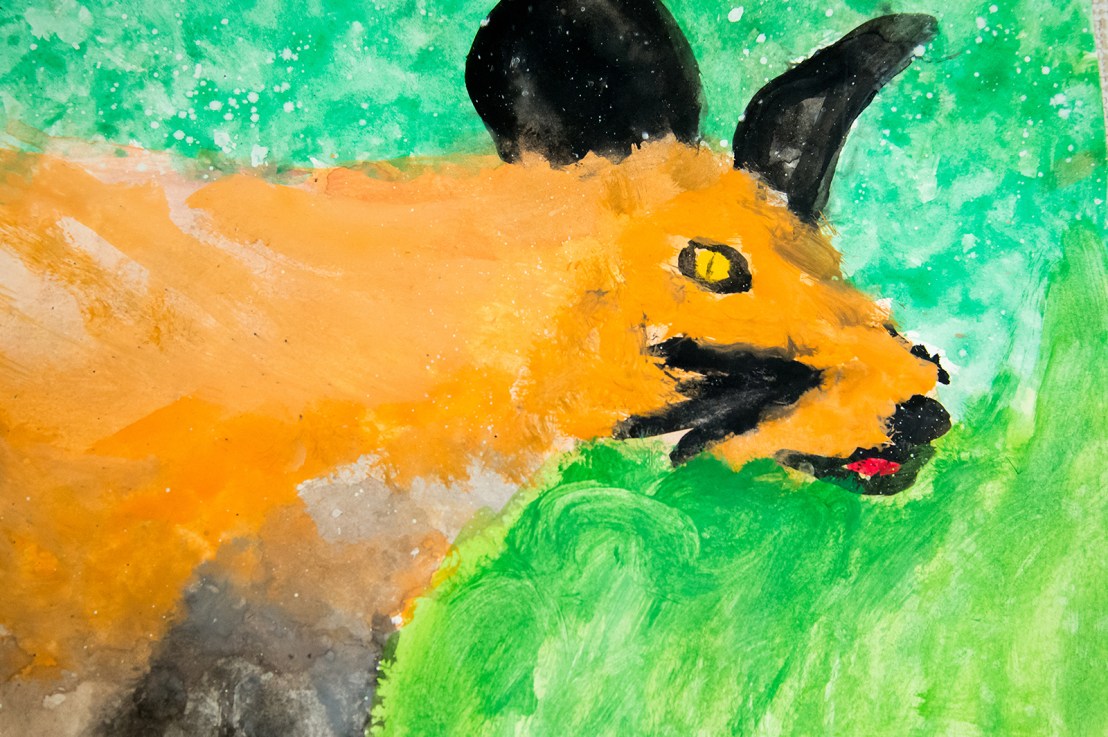
This unit will be guided by both technique and style. Students will observe the work of Impressionist painter Suzanne Valadon and discuss ways in which her paintings, particularly of animals, are impressionistic. How does Impressionism differ from realism?
Continue reading “4th Grade – Suzanne Valadon and subjective approaches”
Description of the Unit –
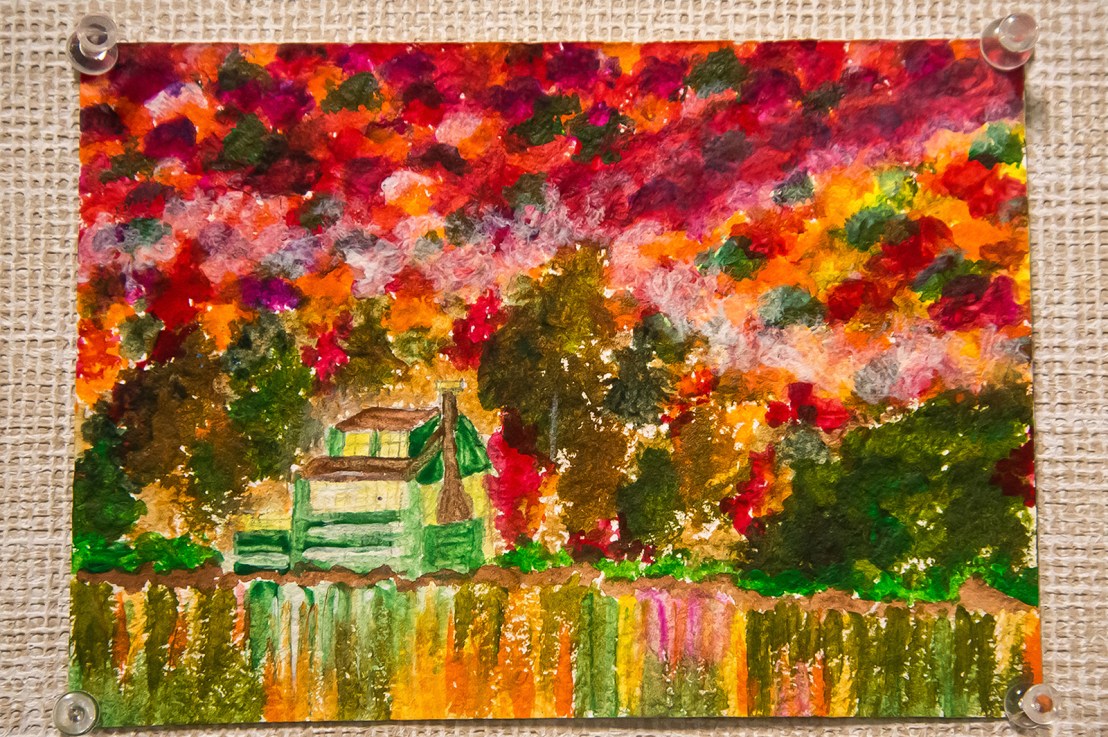
This is a two-part unit that will be guided by both technique and style, starting with practicing four basic watercolor techniques: 1) dry paint on dry paper; 2) dry paint on wet paper; 3) wet paint on dry paper, and 4) wet paint on wet paper. (For some students this will be review as we practice this in earlier grades as well.) In the second part of this unit students will explore Impressionist painting, particularly the work of Suzanne Valadon (to be posted next week).
Description of the Unit –
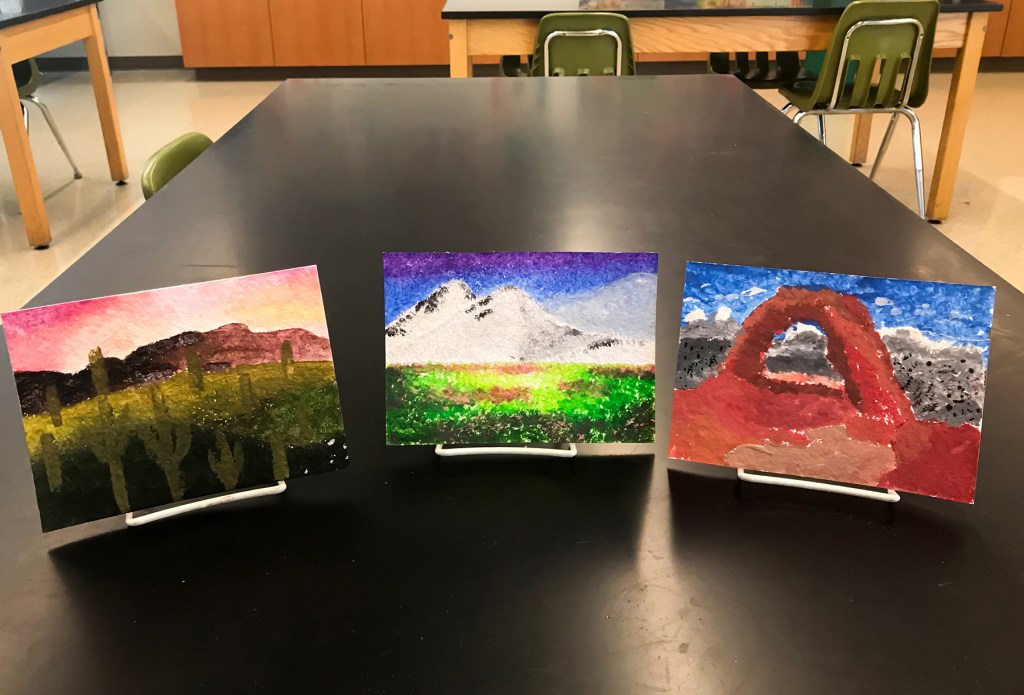
Students will practice a variety of painting techniques (including color mixing and brush effects) for acrylic painting, practicing these for various effects. Students will then choose a nature postcard to use as a reference for their own painting. Students will eventually create at least two different paintings in acrylic of two different nature scenes, trying to use the techniques learned to recreate specific textures and effects.
 In the K-8 Art Studio with Anita Sagastegui