Description of the Unit –
This unit focuses explicitly on Dale Chihuly: his life, his art. The artmaking pursued in this unit is inspired by one of Chihuly’s most well-known themes: the bowl.
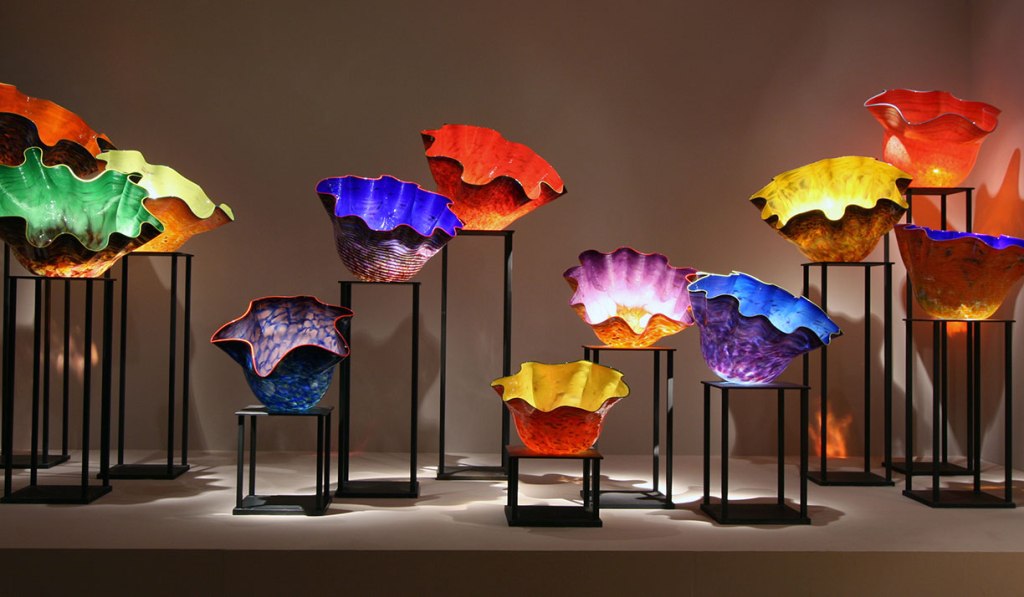
Lessons for visual art education – where it's about the process, not the product
Category: Art History
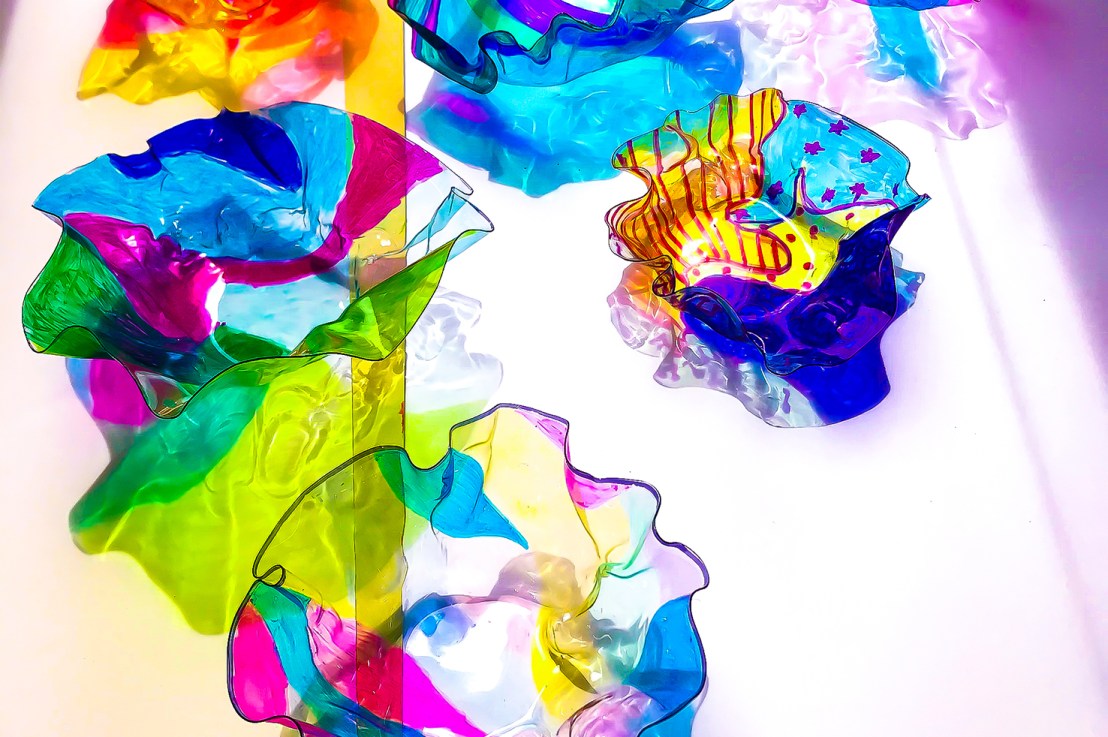
Description of the Unit –
This unit focuses explicitly on Dale Chihuly: his life, his art. The artmaking pursued in this unit is inspired by one of Chihuly’s most well-known themes: the bowl.
Description of the Unit –
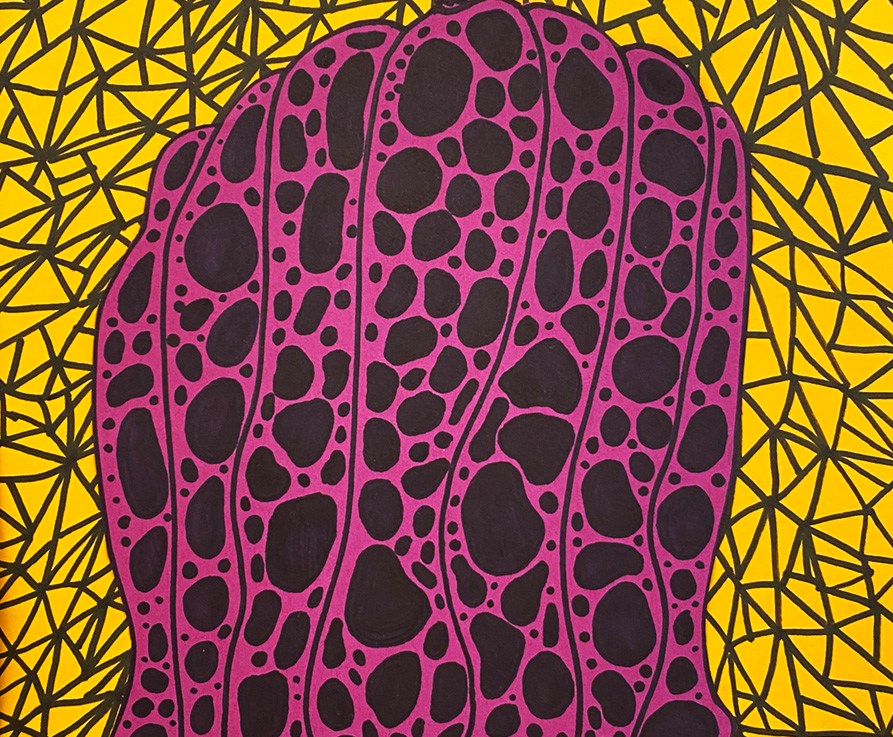
Yayoi Kusama is one of my favorite contemporary artists. Her irreverence, originality, rebelliousness and whimsy have won my heart, as have her personal struggles with mental illness. An artist whose work always surprises and delights, I love to bring her life story and work to my students.
Together we explore and discuss the work of this seminal Japanese artist, whose pioneering installations have enthralled visitors to her work over the last several decades. Using her iconic polka-dotted pumpkins as inspiration, students will emphasize the elements of line, color and shape, and well as principles of pattern, repetition and movement, in their own brightly colored pumpkins.
Description of the Unit –
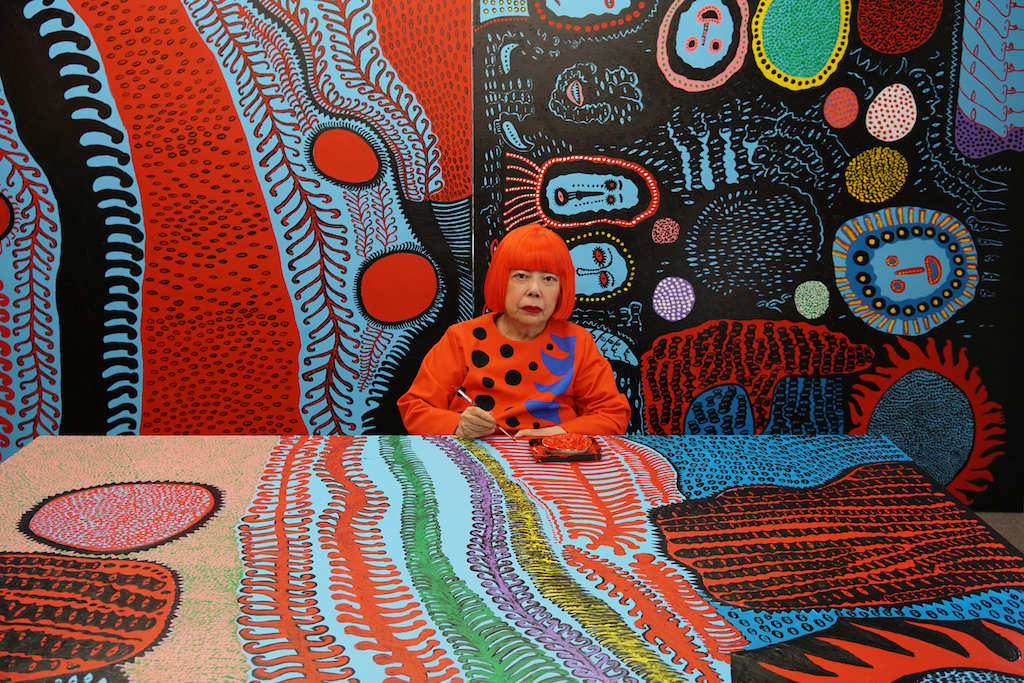
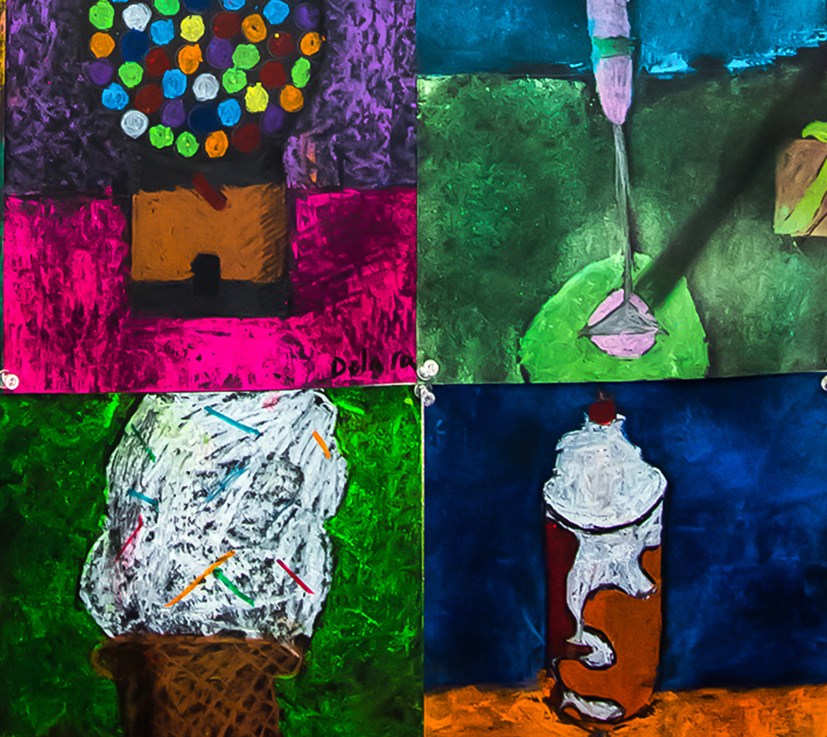
The class will observe and discuss the work of contemporary American painter Wayne Thiebaud, focusing especially on his dessert paintings. Using similar characteristics as seen on Thiebaud’s paintings, students will create their own dessert composition in oil and chalk pastels.
Activity statement –
According to the Jim Kempner Fine Art website, “Wayne Thiebaud (b. 1920) is an American painter best known for his still life paintings of edible treats and everyday objects in his singular illustrative style” (https://jimkempnerfineart.com/wayne-thiebaud.php ). His most popular subject matter includes cakes in colorful pastel hues, slices of pie, candies such as lollipops, cupcakes, and interestingly, the streets of San Francisco. His paintings generally include thick, bold applications of stylized color, highly defined shadows, and cartoon-like line. His approach to painting gives his desserts a tactile, textured feel. Students will consider using these same characteristics to create the composition of one sweet treat (or treats) of their own, while also considering the placement of the light source in their design, so as to properly express a form and cast shadow.


Description of the Unit –
Students will learn a little about the history of marbled paper, and will observe the different kinds of designs known to the craft. In groups they will then make their own marbled paper

Description of the Unit –
Students will explore the history of found object sculpture and create numerous sculptures of their own in a play-based approach with a variety of objects.
Continue reading “1st Grade – Found Object Sculpture”
Description of the Unit –
Students will explore Andy Goldsworthy’s ephemeral land art, then venture outside to come up with their own environmental sculptures.
Activity statement –
Andy Goldsworthy is known as an environmental or land artist. What this means is that he uses natural artifacts—branches, leaves, rocks, ice, etc.—to create his sculptures and installations. Goldsworthy’s art is also temporary. He never creates anything that won’t eventually be destroyed by waves, wind and natural processes. Goldsworthy invites the viewer to contemplate the ephemeral, transitory beauty of the natural world. His works involve the use of pattern, color and balance. Interestingly, all of the color in his work comes from the objects themselves, never from him painting any of it. So for example, if you look at the image that looks like a tree trunk ringed with glowing light or fire, he simply used fallen gold and orange leaves to give it that effect.


Description of the Unit –
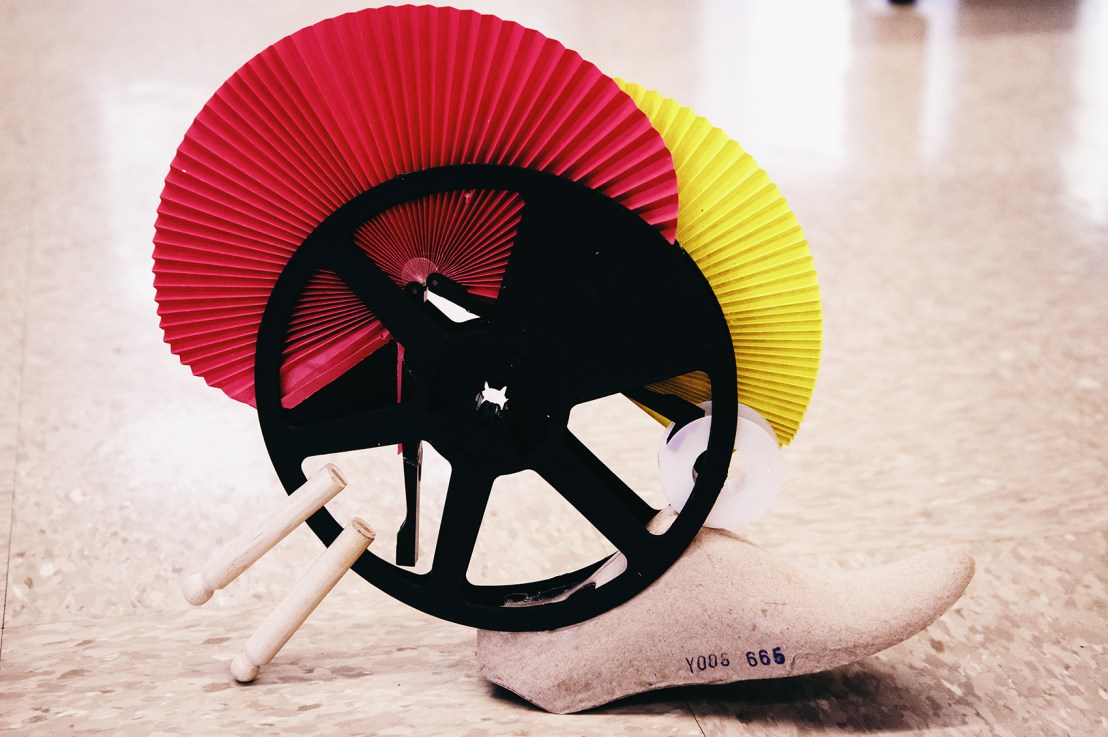
Students will explore the whimsical, yet ordered and divinely balanced kinetic sculptures of Alexander Calder, using his work as inspiration for their own kinetic sculpture.

Description of the Unit –
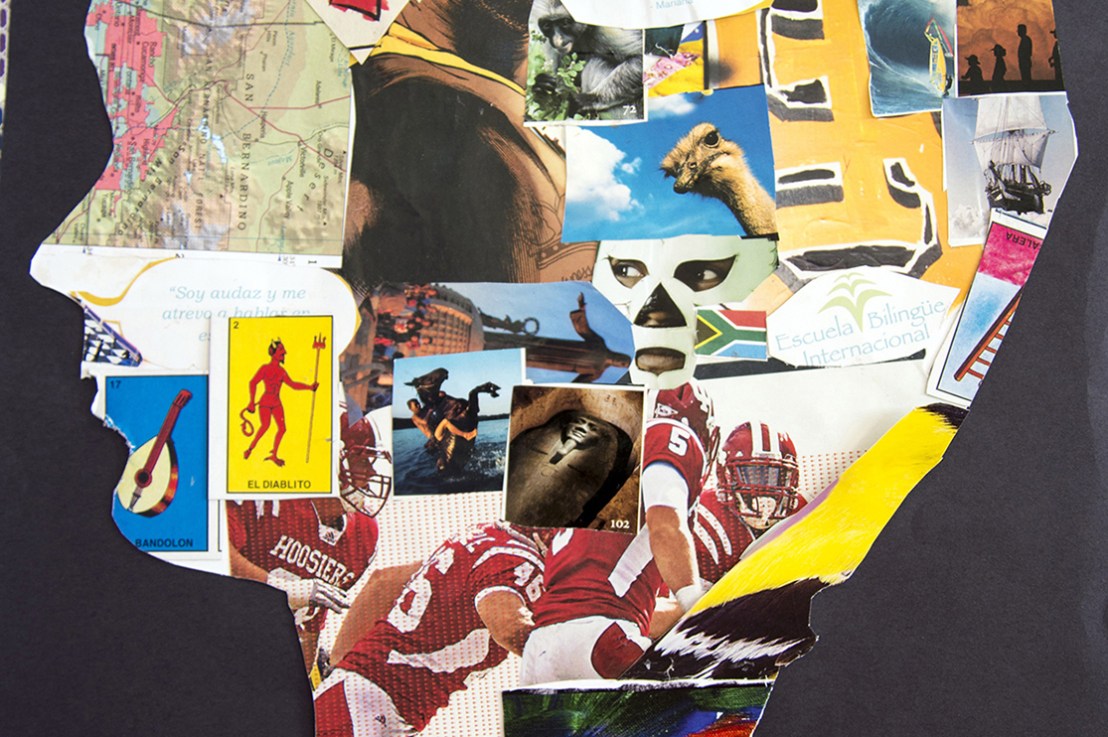
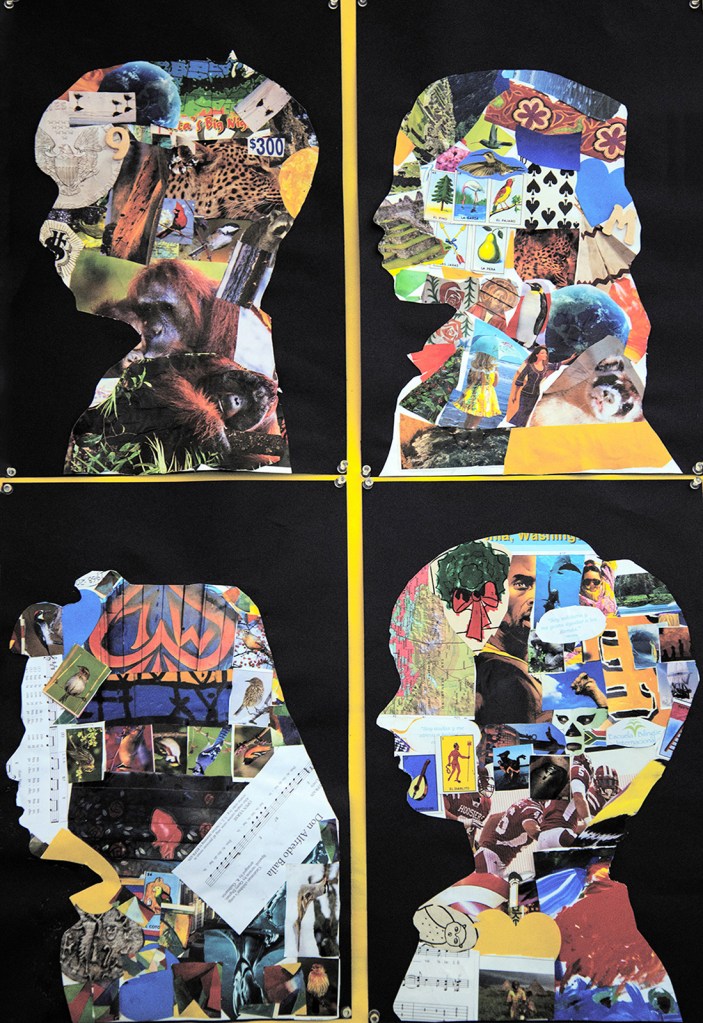
Students will explore the concept of symbolism in art, and how they can use symbols—images—to represent aspects of themselves. Using magazines, books and other random two-dimensional found objects (such as playing cards or ticket stubs), students will carefully arrange symbolic imagery into a collage within a silhouette of their own profile.

Description of the Unit –
This unit merges a study of pointillism with the practice of symmetry, culminating in insect designs that use pointillism to create symmetrical sides to each insect.


Description of the Unit –
Students will explore the work and approaches to painting innovated by Helen Frankenthaler, and use very simple soak-stain techniques to apply watercolor onto paper to create equally vibrant washes.

 In the K-8 Art Studio with Anita Sagastegui