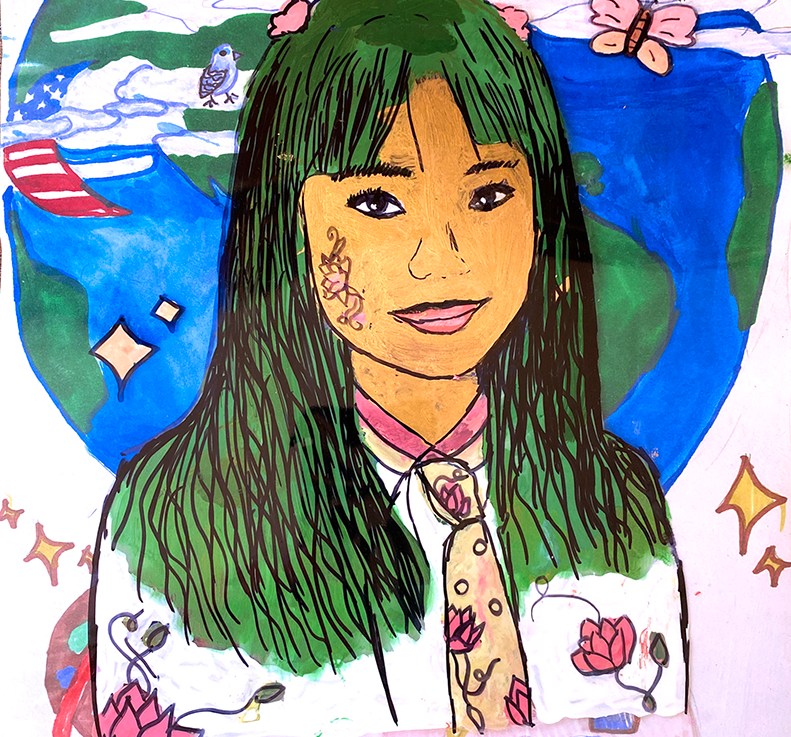
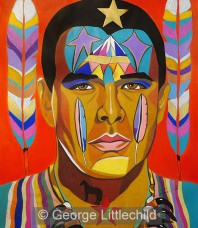
Description of the Unit – Students will create fantastical, energetic self-portraits inspired by the portraits of George Littlechild. Students will use a mix of sharpie markers, colored pencils, watercolor and acrylic paint for their portraits.

Lessons for visual art education – where it's about the process, not the product
Tag: visual arts
Description of the Unit – Students will create fantastical, energetic self-portraits inspired by the portraits of George Littlechild. Students will use a mix of sharpie markers, colored pencils, watercolor and acrylic paint for their portraits.

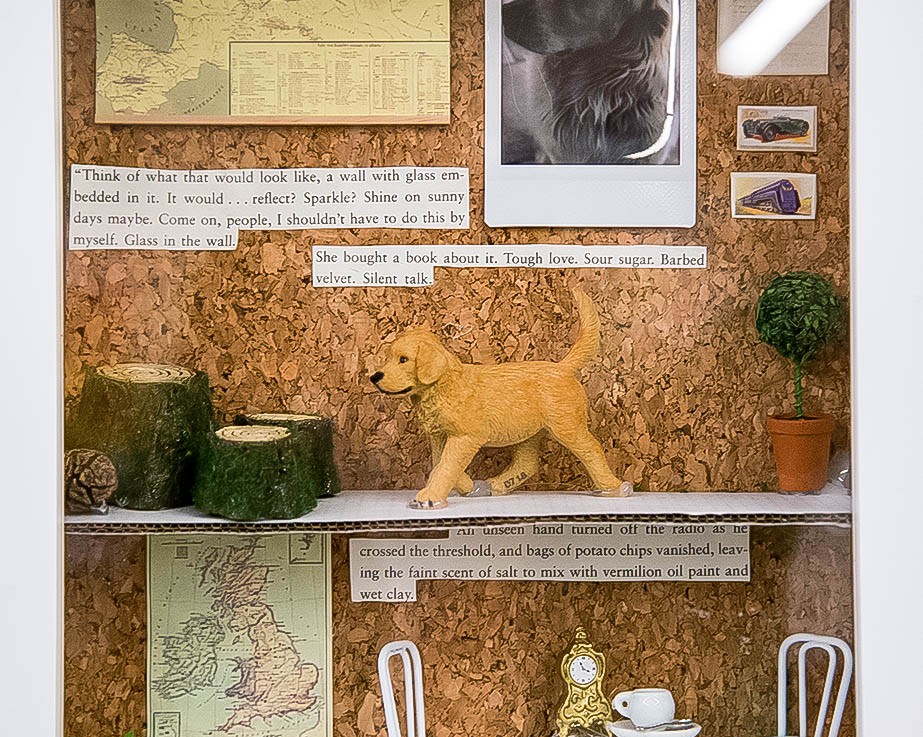
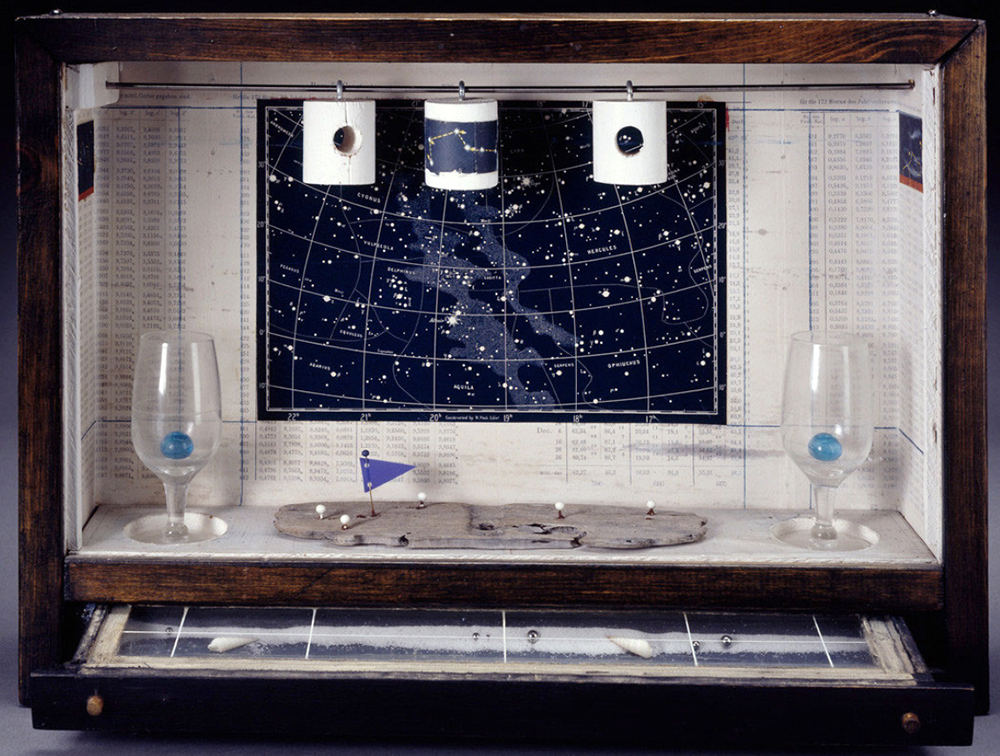
Description of the Unit – Students will observe and discuss Joseph Cornell’s memory boxes, and, gathering their own personal objects, found objects and other materials, students will thoughtfully create their own memory boxes.

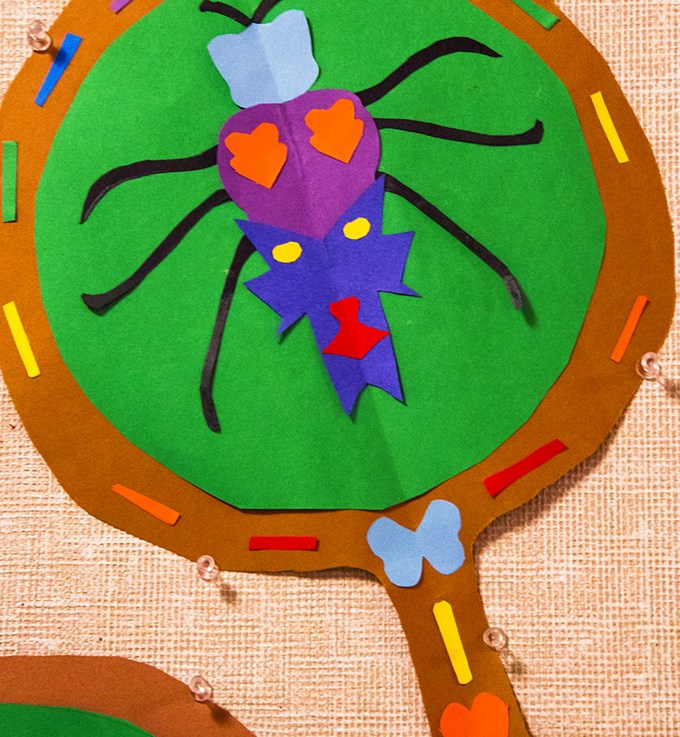
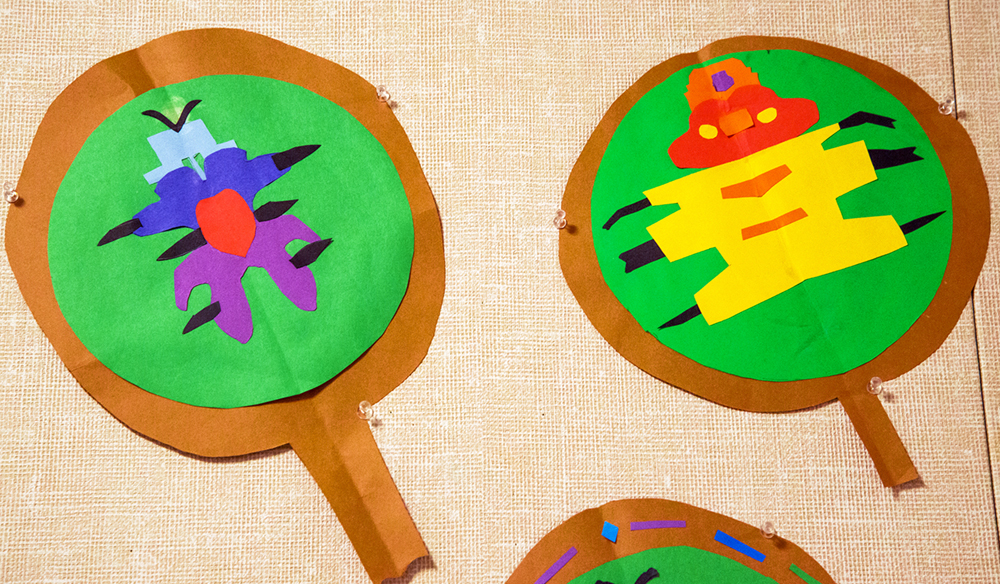
Description of the Unit – A simple yet delightful exploration of symmetry and color, students will create their very own bugs as seen under a “magnifying glass”.
Continue reading “1st Grade – Insects under a Magnifying Glass”Description of the Unit – Students will explore the famous cut-outs that Henri Matisse innovated in the 1940’s, as well as Rex Ray’s inventive contemporary collages. Throughout their exploration students will note the use of color, line, shape, texture and positive and negative space in the creation of a dynamic yet balanced composition.
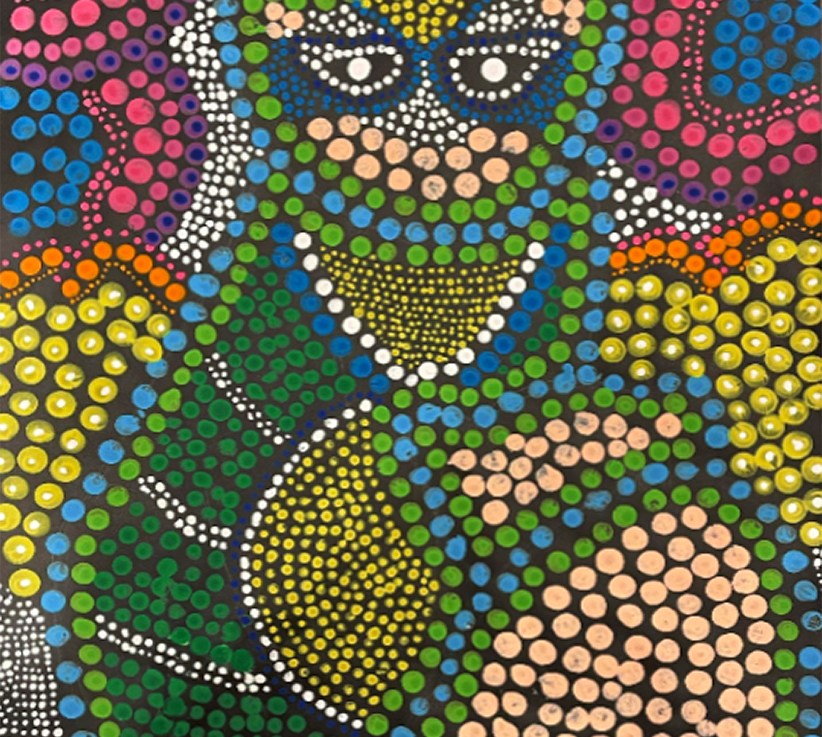
Continue reading “2nd Grade: Henri Matisse & Rex Ray: Cut-outs & Collage”Description of the Unit – Students will observe and discuss examples of aboriginal dot painting, from very early examples to the art produced by the culture in present day. Students will use what they learned about color, pattern and symbol in their observations to create their own dot paintings, expressing scenes from nature.
Continue reading “5th Grade – Dot Painting inspired by Australian Aborigines”Description of the Unit – Students explore the fascinating shadow puppet art form from Indonesia known as Wayang Kulit. Students then create their own shadow puppets, taking particular care to carve patterns on the puppets’ costumes using negative space.
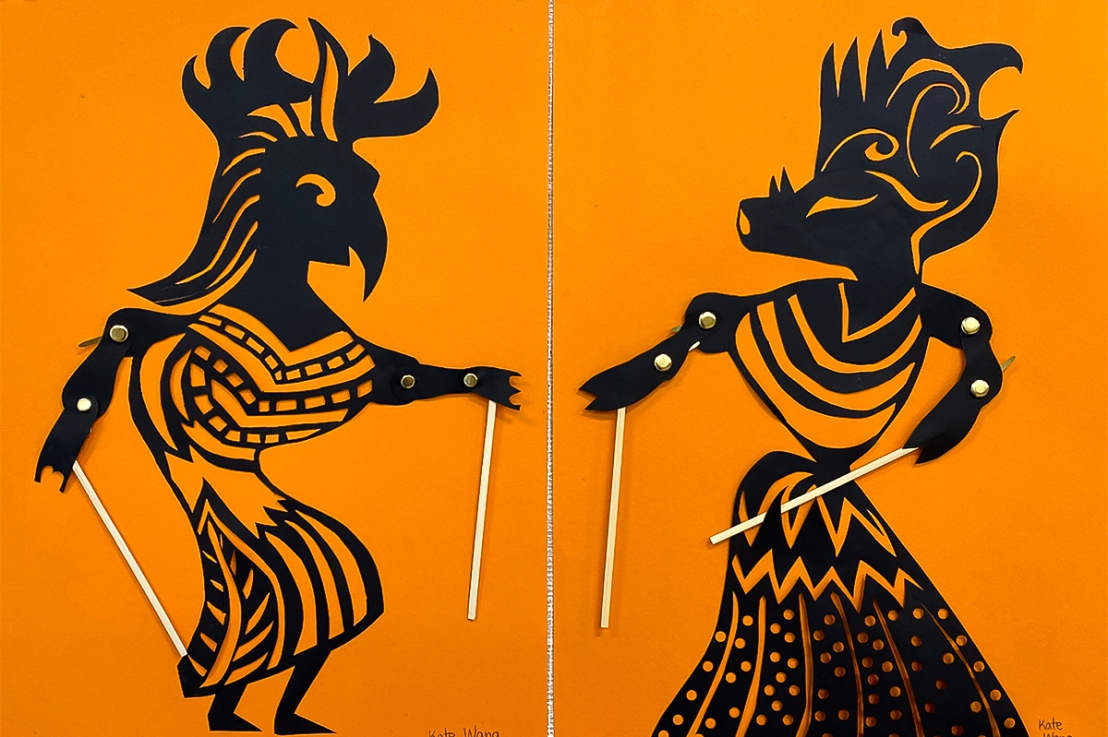
Continue reading “8th Grade – Wayang Kulit Puppets”Description of the Unit – Students will explore the fascinating Mexican folk art known as Amate bark painting. Using their observations of the art form, students will crumple brown kraft paper (a part of this project they love) to give it a bark-like texture, and paint their own painting onto it in the same bold and bright colors as used by Mexican artisans of Amate.
Continue reading “3rd Grade – Mexican Amate Paintings”Description of the Unit – The Mola, a traditional cloth worn by the Kuna (from the tiny San Blas Islands off the coast of Panama), are quite brightly colored, in contrasting patterns of various shapes, and in the center depicting what is typically an animal, plant or person of special interest to the Kuna. Students will explore the tradition of Molas, noting the use of contrasting colors, abstract patterns as well as noting the contrasting organic shapes of the main subject to the mostly geometric shapes of the background patterns. Students will use their understanding of these elements to create their own interpretation of the Mola in colored construction paper.
Continue reading “4th Grade – The Mola of Panama”Description of the Unit – While outside on a beautiful fall day, students observed Autumn leaves, noticing the colors, shapes and textures of each leaf. Back in the art room, students used their observations to create their own vibrantly colored fall leaves.

Description of the Unit – Students will learn basic sewing techniques to sew a simple image onto burlap
Continue reading “3rd Grade – Colorful, Fun Basic Sewing Sampler”