Description of the Unit – This is a purely technical unit that allows students to explore combining watercolor painting techniques with other media.
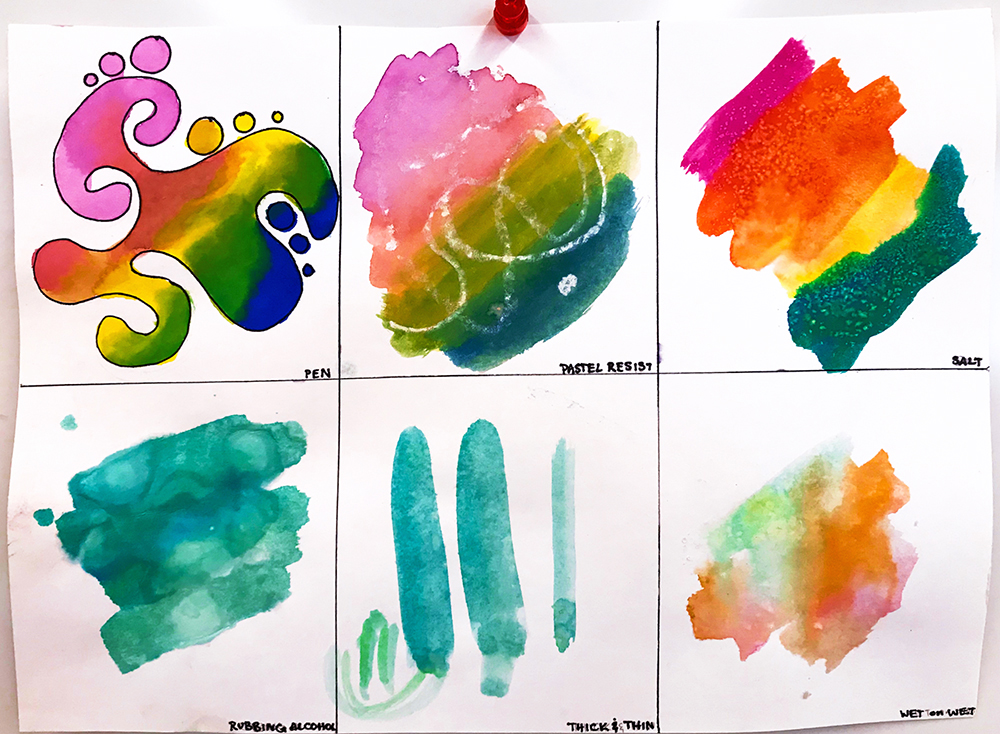
Lessons for visual art education – where it's about the process, not the product
Tag: Painting
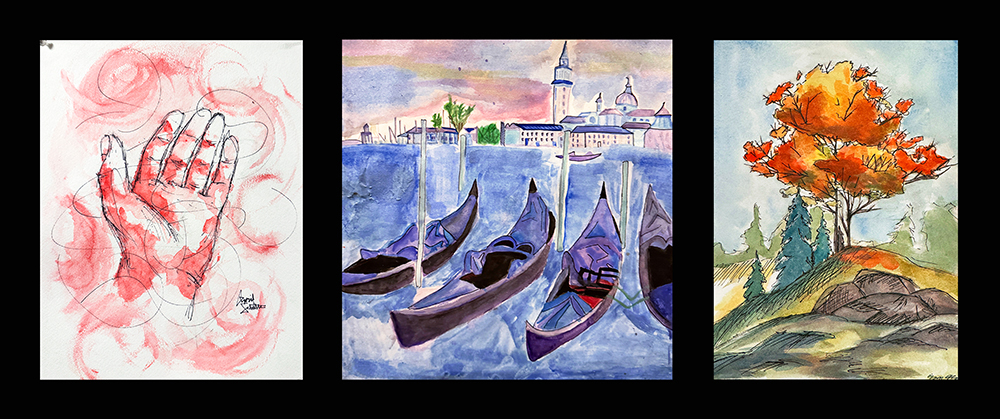
Description of the Unit – This is a purely technical unit that allows students to explore combining watercolor painting techniques with other media.

Description of the Unit – It’s a fun experiment to introduce students this young to the concept of multiple perspectives. To approach this concept in a playful way, students created a Picasso-inspired oil pastel illustration of his beloved dog Lump.
Continue reading “Kindergarten – Picasso’s Dog Lump”
Description of the Unit – Second grade students explored Vincent van Gogh’s unique style of painting by observing and then recreating his famous Sunflowers still life.
Continue reading “2nd Grade – Recreating Vincent van Gogh’s Sunflowers”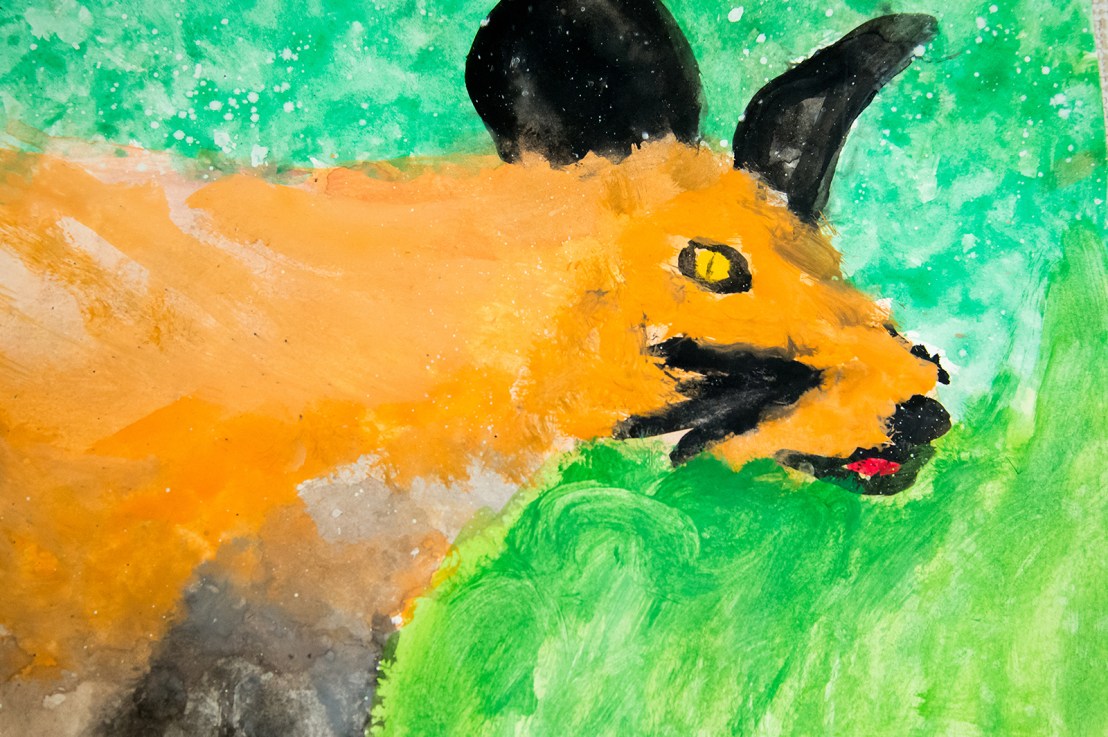
Description of the Unit –
This unit will be guided by both technique and style. Students will observe the work of Impressionist painter Suzanne Valadon and discuss ways in which her paintings, particularly of animals, are impressionistic. How does Impressionism differ from realism?
Continue reading “4th Grade – Suzanne Valadon and subjective approaches”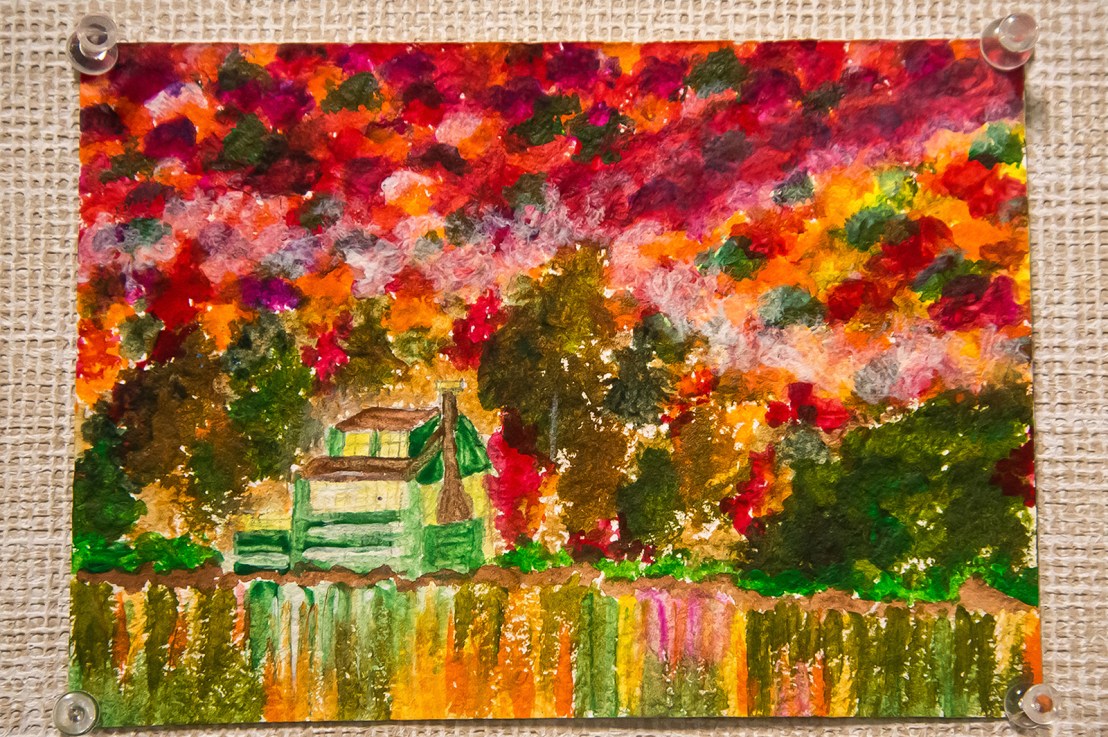
Description of the Unit –
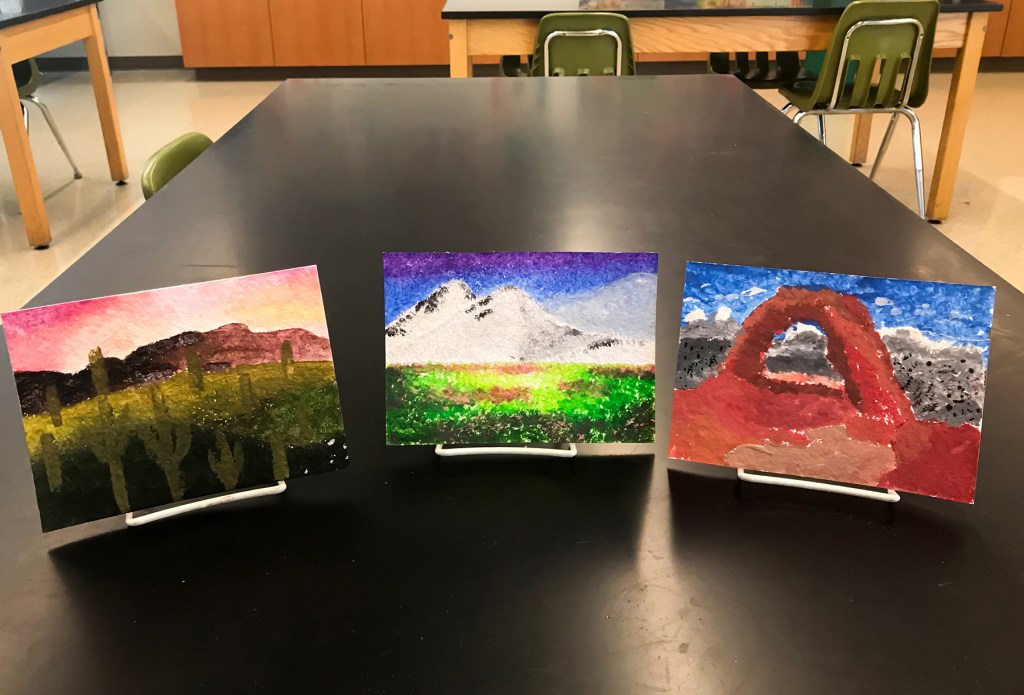
Students will practice a variety of painting techniques (including color mixing and brush effects) for acrylic painting, practicing these for various effects. Students will then choose a nature postcard to use as a reference for their own painting. Students will eventually create at least two different paintings in acrylic of two different nature scenes, trying to use the techniques learned to recreate specific textures and effects.

Description of the Unit –
Students will explore the work and approaches to painting innovated by Helen Frankenthaler, and use very simple soak-stain techniques to apply watercolor onto paper to create equally vibrant washes.

Description of the Unit –
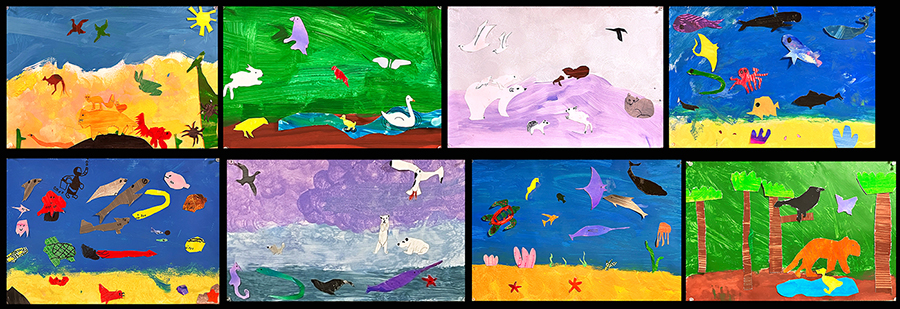
Integrated with a science unit on ecosystems, students will create an Eric Carle-inspired collage of an ecosystem.

Activity statement –
In kindergarten science students explore an entire unit devoted to ecosystems. They learn about earth’s many ecosystems: climate, flora, fauna and so forth. Each student is assigned a specific ecosystem to research and present to the class. This collage will be one of the visual elements used in their reports.
To inspire the collage-making process, we will look at different Eric Carle books and notice his painted paper collages. Using his techniques as a guide, we will focus on color and texture as students first paint large pieces of paper in single colors and then add texture with the brushes, combs, forks, rollers and other tools provided. These pieces of paper will be used communally among the students for their collages, therefore no one piece belongs to one student.
Continue reading “Kindergarten – Ecosystem collages inspired by Eric Carle” In the K-8 Art Studio with Anita Sagastegui