Description of the Unit – Students will create their own fashion line, featuring at least three different looks that share a unifying theme, be it color, pattern, line or particular article of clothing or accessory.

Lessons for visual art education – where it's about the process, not the product
Tag: 7th grade
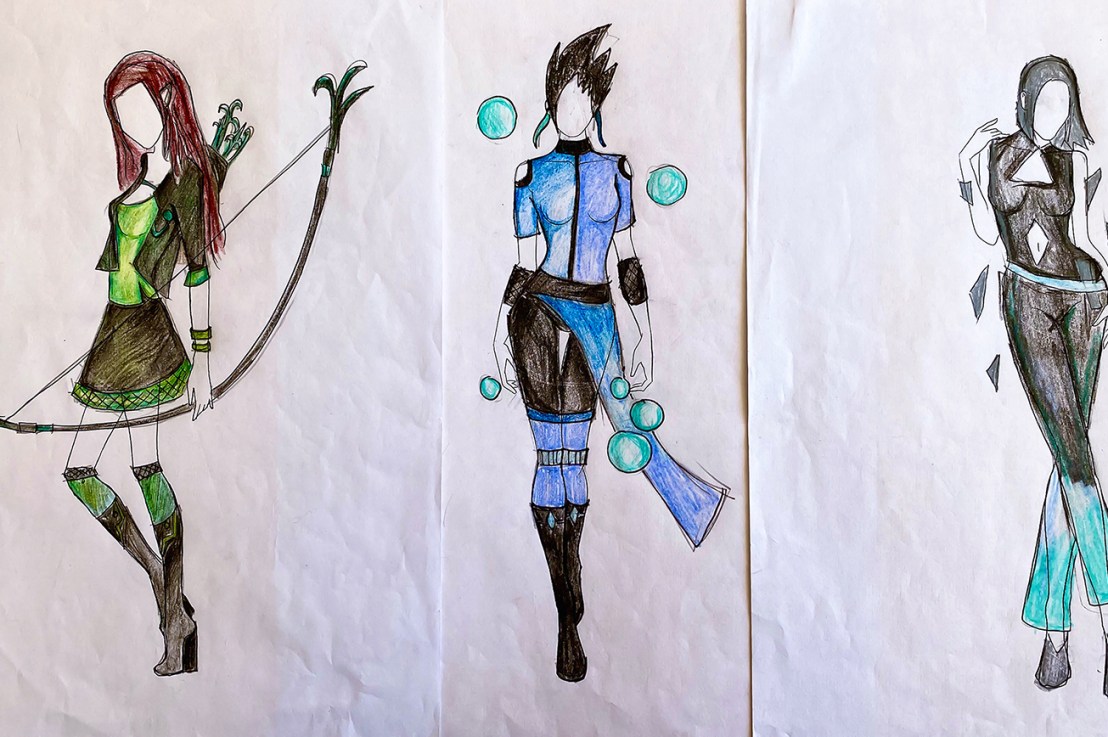
Description of the Unit – Students will create their own fashion line, featuring at least three different looks that share a unifying theme, be it color, pattern, line or particular article of clothing or accessory.
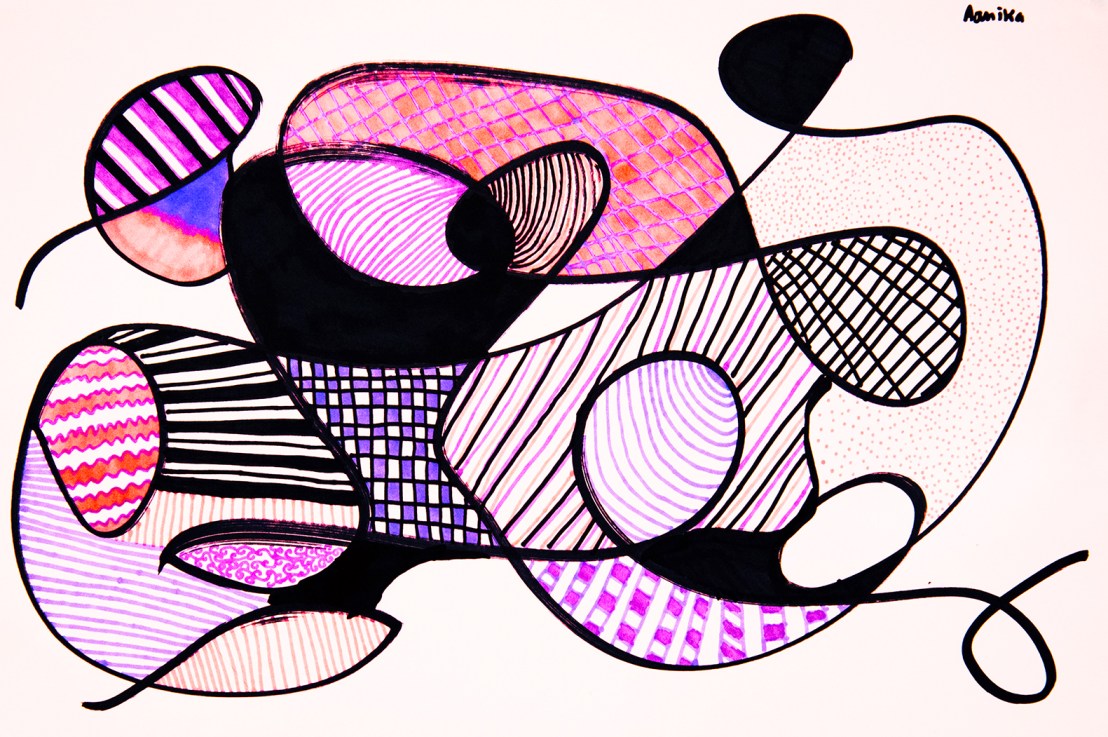
Description of the Unit – Emphasizing movement, balance and repetition with Jean Dubuffet’s Hourloupe
This unit revisits a second-grade unit which also focused on the Hourloupe to practice line and pattern; here we go further to practice the above-mentioned principles of design.
Continue reading “7th Grade – Movement, Repetition and Balance with Jean Dubuffet’s Hourloupe”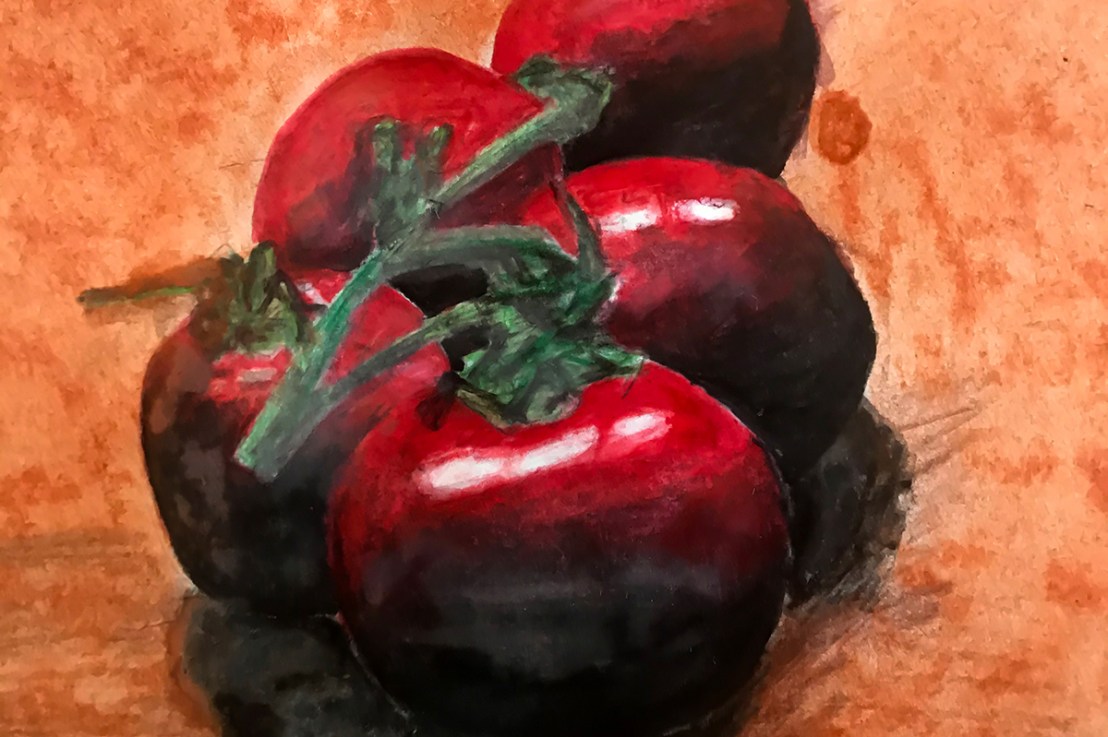
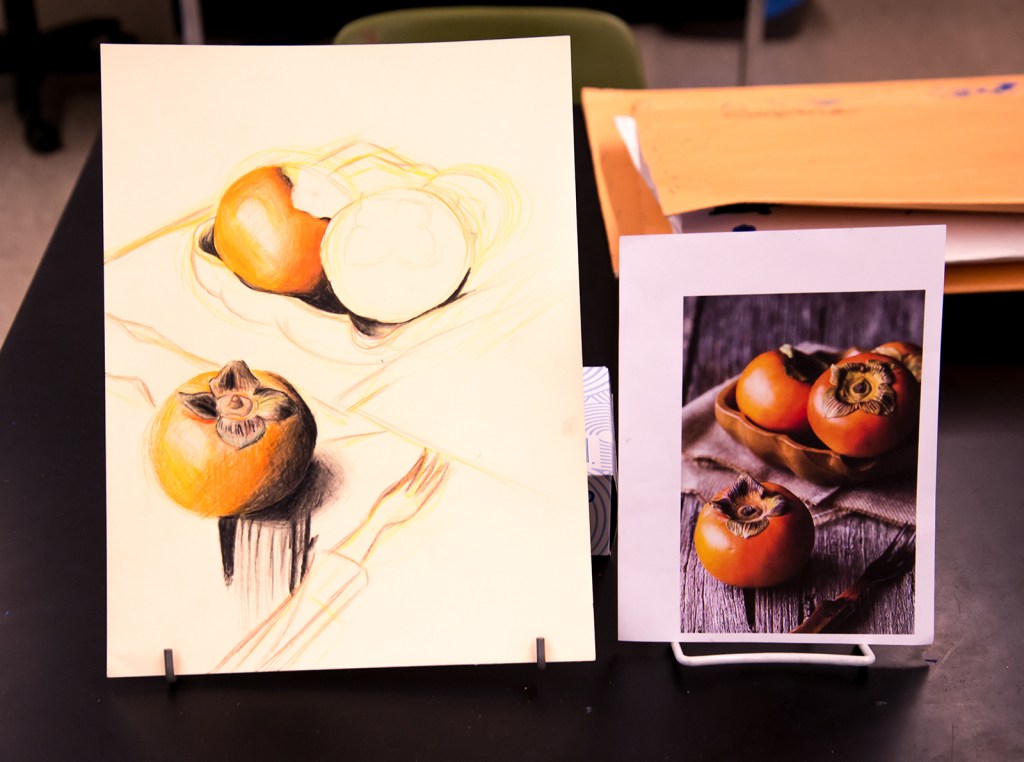
Description of the Unit –
Students will learn and practice essential colored pencil techniques involving mark-making and shading to create a still life.
Activity statement –
Coloring with colored pencils can be a deeply rich and satisfying experience. Something about the feel of the medium as it is spread across paper, and then combined with other colors to slowly come to life, can be both thrilling and meditative. Given some basic techniques students can achieve highly rewarding results.

Description of the Unit –
Students will explore the monochromatic, rhythmic and balanced found-art assemblages of Louise Nevelson, and create their own assemblages both individually and in small groups.
Continue reading “7th Grade – The Art of Assemblage with Louise Nevelson”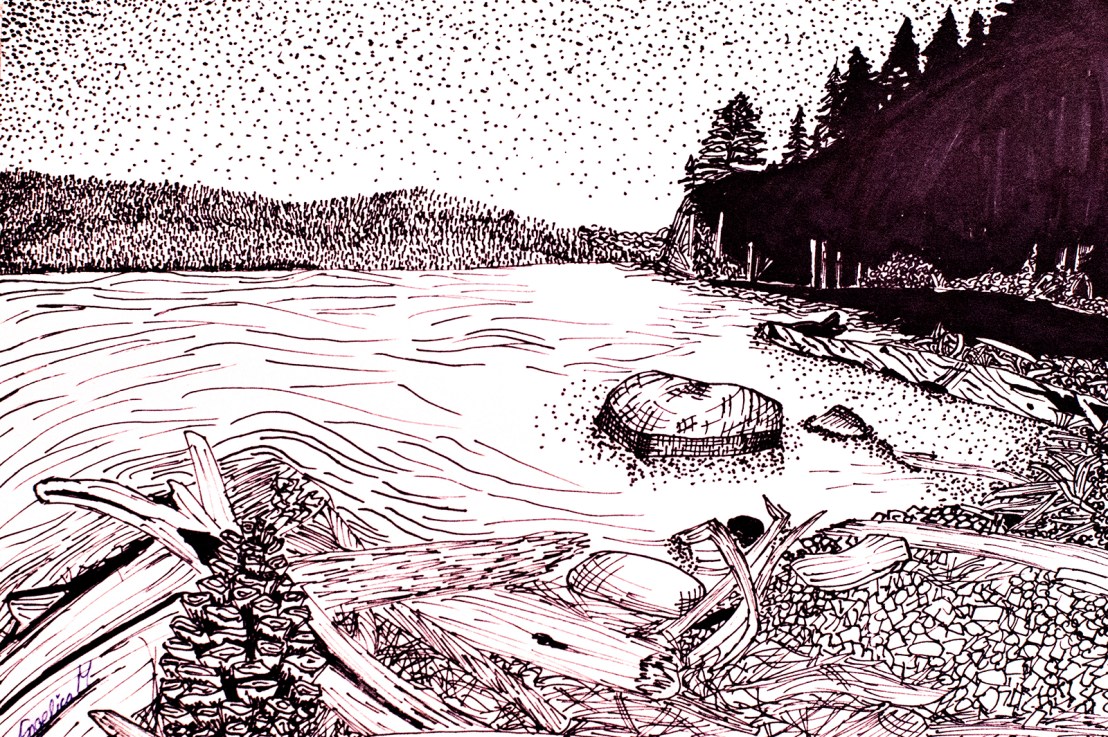
Description of the Unit –
Students will first practice a variety of line drawing, or mark-making, techniques, and then use those techniques to render a landscape or still life in pen.
Activity statement –
Using photographs as a starting point, the objective of this lesson was for students to express changes in perspective, texture and value (light and dark) in a realistic drawing using a variety of lines, such as stippling, hatching, and cross-hatching, as well as varying the lines’ density. In this way they can transform a pen drawing into a realistic representation of a scene in nature. To help in this objective, students first created a mark-making chart expressing different types of lines, and discussed how the different types of lines could be used to represent texture, perspective and value.

Description of the Unit –
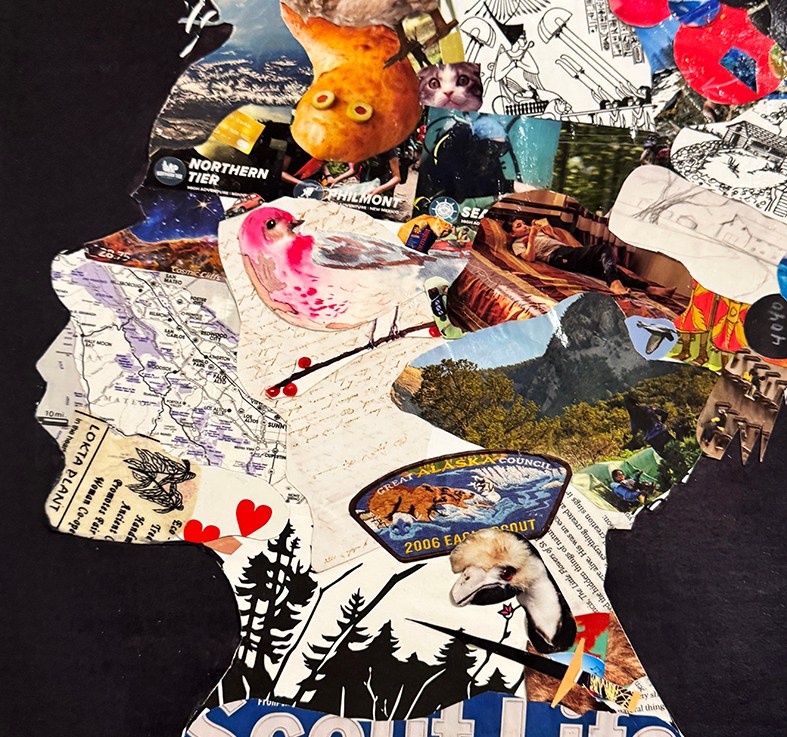
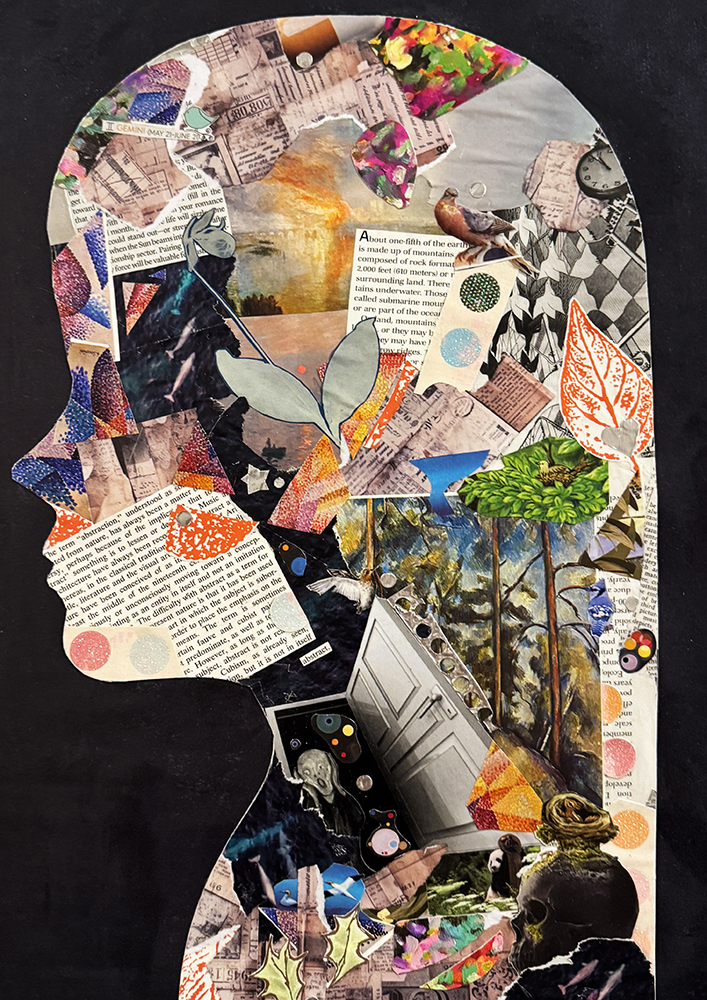
This is an excellent unit to teach symbolism via imagery. Using their actual profiles in silhouette, middle school students thoughtfully gathered and arranged images and text that they felt represented them in some way, placing them within their silhouettes, allowing us a glimpse into who they are.
 In the K-8 Art Studio with Anita Sagastegui