Category: Art History

6th Grade – Yaacov Agam and Agamographs

6th Grade – Yaacov Agam and Agamographs

Description of the Unit – Students will examine and discuss the work of artist Yaacov Agam, and through his inspiration they will create their own Agamograph, a kinetic work of art that transforms from one image to another, depending on the viewers’ perspective.

The kinetic Dizengoff Square Fountain by Yaacov Agam, seen here lit up at night
The kinetic Dizengoff Square Fountain by Yaacov Agam

Activity statement – Yaacov Agam is an Israeli artist best known for his pioneering Kinetic Art. His lenticular prints, or Agamographs, made illusory images appear depending on the audience’s viewpoint. These pieces ask one to contemplate change, progress, time, and our role as observer vs. participant. Students will consider images of concepts, creatures or objects which can shift or change in some way, and incorporate their chosen concept into an Agamograph. To successfully create an Agamograph, students will need to make precise mathematical measurements throughout the entire process. Students will have the choice of coloring in their Agamographs in marker, colored pencil, oil pastel and watercolor (for backgrounds)—or a combination of any or all of these media.

The artist Yaacov Agam demonstrating the fluid changeability of one of his kinetic art pieces.
Yaacov Agam's tribute to victims of the AMIA bombing
Yaacov Agam’s tribute to victims of the AMIA bombing
"Visual Prayer for Peace, Hope and Tolerance" by Yaacov Agam
“Visual Prayer for Peace, Hope and Tolerance” by Yaacov Agam

Goals – Students should…

Understand:

  • The meaning of kinetic art
  • What an Agamograph is and does

Know:

  • Who Yaacov Agam is, and the kinds of concepts he explores in his kinetic artwork

Be able to:

  • Use a ruler to make precise measurements
  • Think in fractions and apply fractions to paper
  • Visualize the process of change between two separate images in order to create an Agamograph

Resources and Materials

  • Examples of Yaacov Agam’s work, as well as examples of student Agamographs 
  • 9×12 white heavyweight (Bristol) paper
  • 12×18 lightweight white paper
  • Pencils
  • Erasers
  • Sharpies (fine and thick point)
  • Rulers
  • Colored markers
  • Colored pencils
  • Oil pastels
  • Watercolor
  • Brushes
  • Jars
  • Cutting board

Questions – (first few questions pertain to observing Agam’s work)

  • What do you notice? What is happening?
  • How do you think this work is created?
  • What could the idea of kinetic art symbolize?
  • What deeper meaning might there be to kinetic art?
  • What makes kinetic art interesting?
  • How do you feel about being able to interact with the work of art?
  • How does this make it different to viewing a static work of art?
  • What kinds of things can you imagine that transform?
  • Give examples of two different beings, objects or concepts that can represent a transformation (ie, caterpillar to butterfly, egg in a nest to bird, daytime landscape to nighttime landscape, etc.)

Evaluation – Did students:

  • Come up with a concept that represents change/transformation?
  • Successfully construct an Agamograph to represent this transformation?

Informal:

  • Student questions
  • Group discussions
  • Oral responses to essential questions
  • Elaboration and risk-taking

The following are video representations of 6th grade students’ Agamographs:

6th grade student Agamograph – city to countryside
6th grade student Agamograph – otter to bones
6th grade student Agamograph – from farm to plate
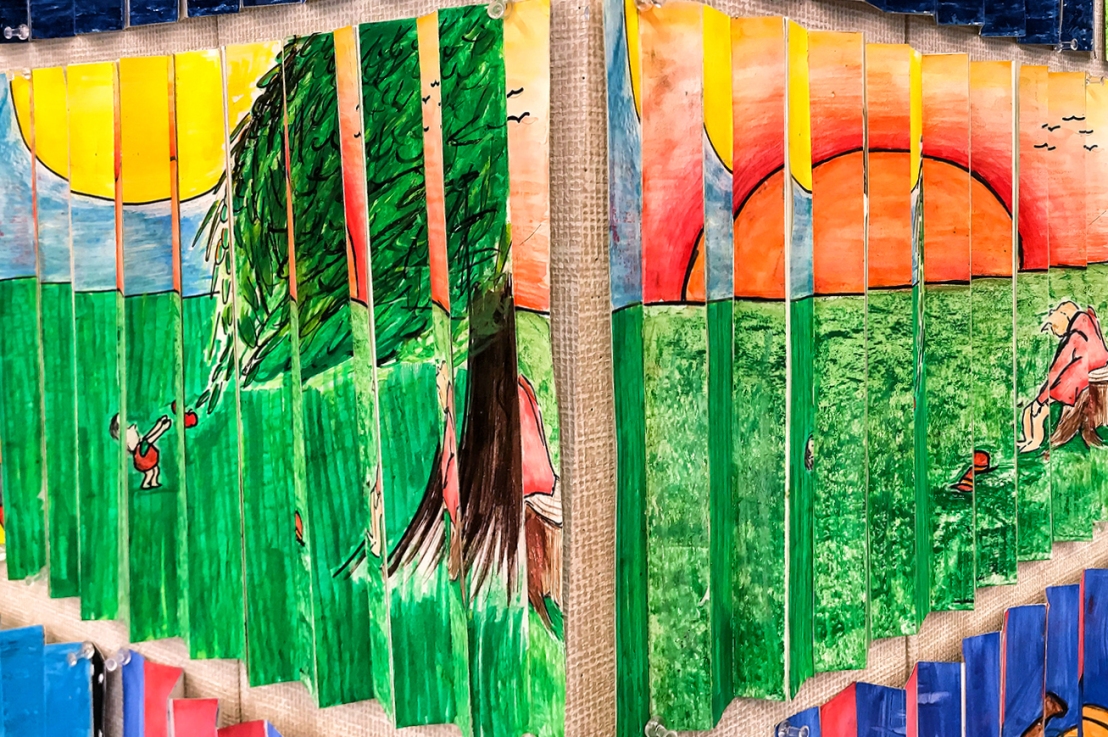
6th grade student Agamograph – Shell Silverstein’s ‘The Giving Tree’

The following are photos of 6th grade student Agamographs displaying both sides of each piece:

6th Grade Student Agamograph - Transformation from an otter to an otter skeleton
6th Grade Student Agamograph – Transformation from an otter to an otter skeleton
6th Grade Student Agamograph - Transformation from a common rat to Mickey Mouse
6th Grade Student Agamograph – Transformation from a common rat to Mickey Mouse
6th Grade Student Agamograph - Transformation from the Batman searchlight to Batman
6th Grade Student Agamograph – Transformation from the Batman searchlight to Batman
6th Grade Student Agamograph - Transformation from the little boy to the old man inspired by Shell Silverstein's "the Giving Tree"
6th Grade Student Agamograph – Transformation from the little boy to the old man inspired by Shell Silverstein’s “the Giving Tree”
1st Grade – Josef Albers’ Homage to the Square

1st Grade – Josef Albers’ Homage to the Square

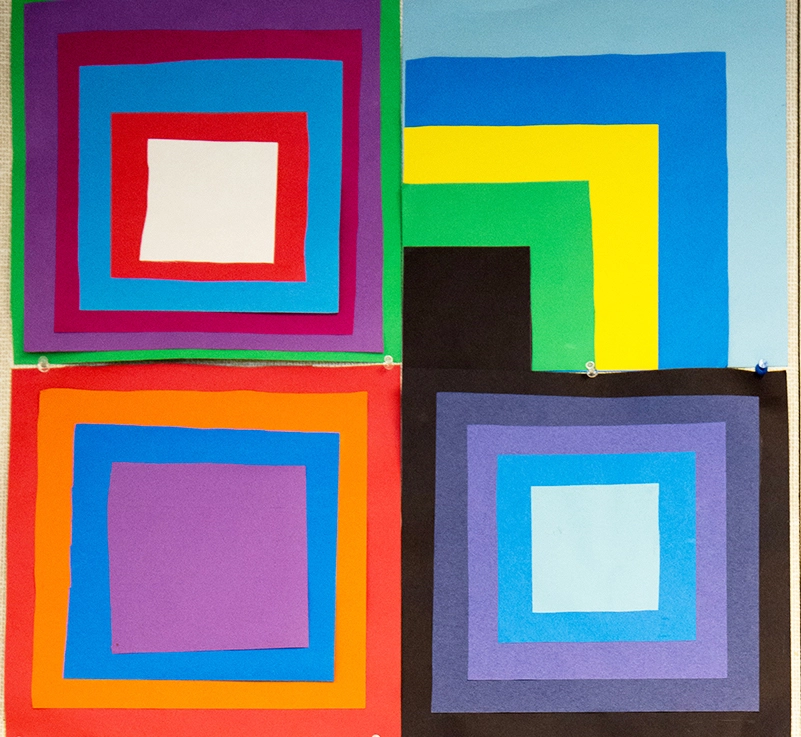
Description of the Unit – Students will explore Josef Albers’ series Homage to the Square, using his artwork and our discussion as a guide to creating their own series of squares, concentrating on contrast and depth.

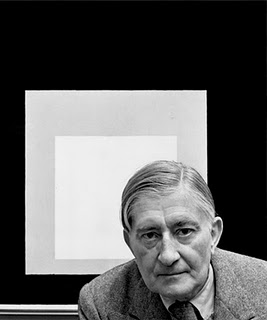
>Josef Albers with one of his paintings from the series Homage to the Square
Josef Albers with one of his paintings from the series Homage to the Square
Continue reading “1st Grade – Josef Albers’ Homage to the Square”
8th Grade – Photography Unit, Lesson 1: Composition and Intro to Your Camera Settings

8th Grade – Photography Unit, Lesson 1: Composition and Intro to Your Camera Settings

Description of the Unit – Students will embark on a seven-lesson photography unit, getting to know the way a camera works and how to use their settings, as well as understanding the elements and principles of design to achieve specific shots. Additionally, students will be introduced to formative photographers, both past and present, as inspiration for the subject of each lesson.

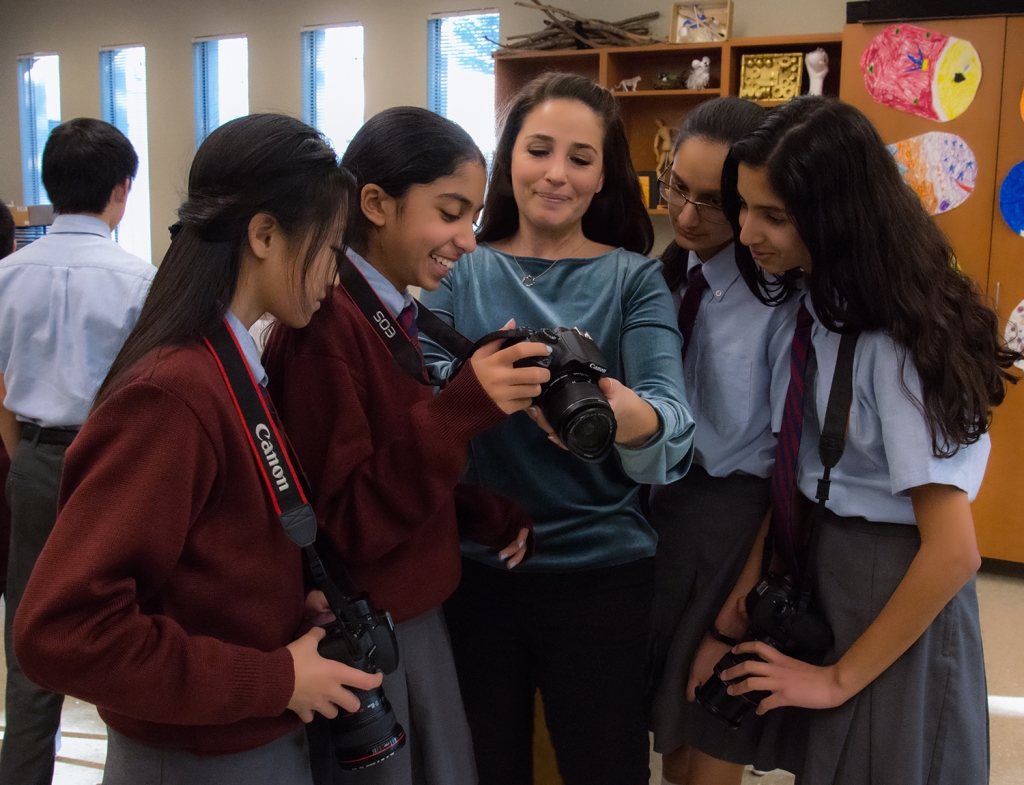
My 8th grade photography students & I (teacher Anita Sagastegui), as they learn to navigate their camera settings
My 8th grade photography students & I, as they learn to navigate their camera settings
Continue reading “8th Grade – Photography Unit, Lesson 1: Composition and Intro to Your Camera Settings”
Kindergarten – Halloween Silhouettes

Kindergarten – Halloween Silhouettes

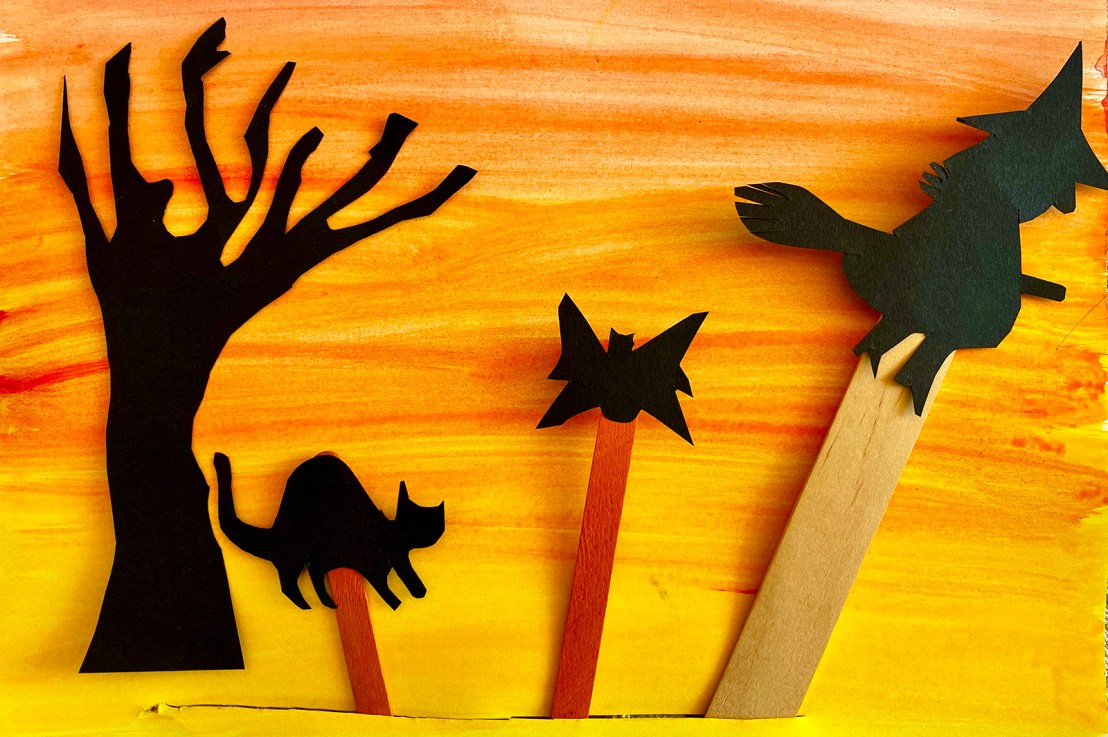
Description of the Unit – When I was about eight years old, an uncle of mine returned from working abroad in Jakarta, Indonesia, and brought back a pair of Wayang Golek rod puppets. These two-foot tall dolls both frightened and fascinated me, with their elaborately painted, expressive faces and beautifully dyed, patterned clothes. Many years later I learned that these puppets were related to another Indonesian puppetry art-form: the Wayang Kulit shadow puppets. These puppets are mostly two-dimensional and are manipulated in front of a diaphanous, backlit screen. The puppets themselves have designs and patterns cut into them making them look almost lace-like, adding to the characteristics of individual puppets.

Continue reading “Kindergarten – Halloween Silhouettes”
7th Grade – Movement, Repetition and Balance with Jean Dubuffet’s Hourloupe

7th Grade – Movement, Repetition and Balance with Jean Dubuffet’s Hourloupe

Description of the Unit – Emphasizing movement, balance and repetition with Jean Dubuffet’s Hourloupe

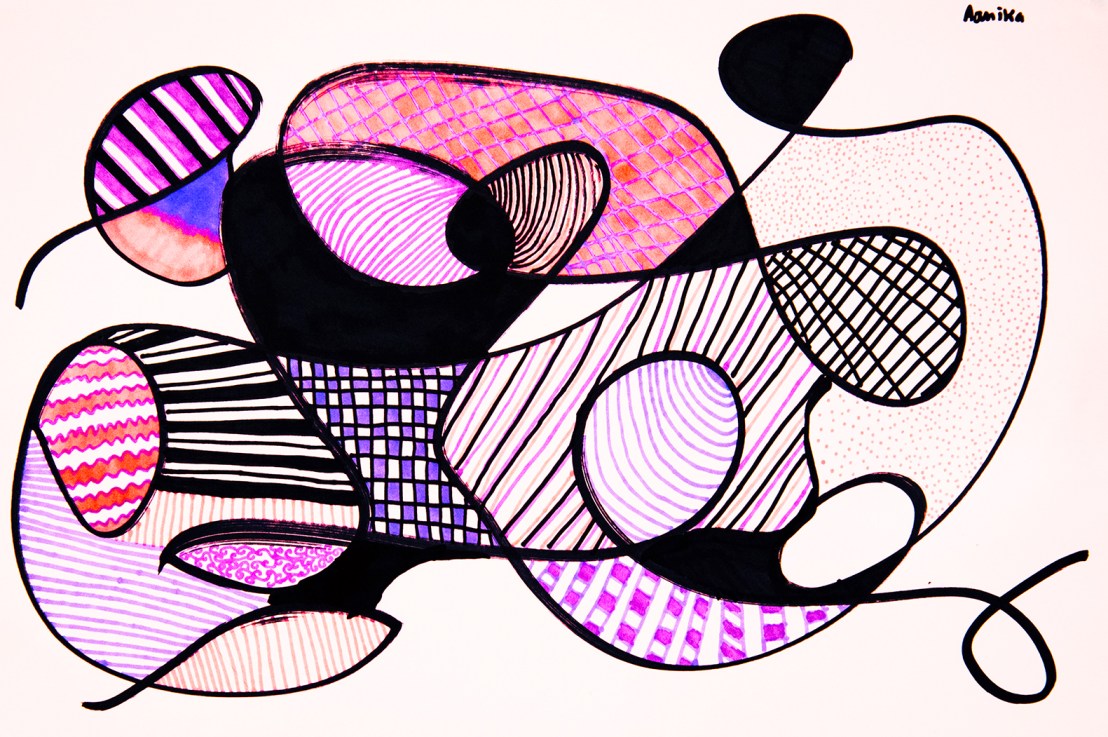
This unit revisits a second-grade unit which also focused on the Hourloupe to practice line and pattern; here we go further to practice the above-mentioned principles of design.

Continue reading “7th Grade – Movement, Repetition and Balance with Jean Dubuffet’s Hourloupe”
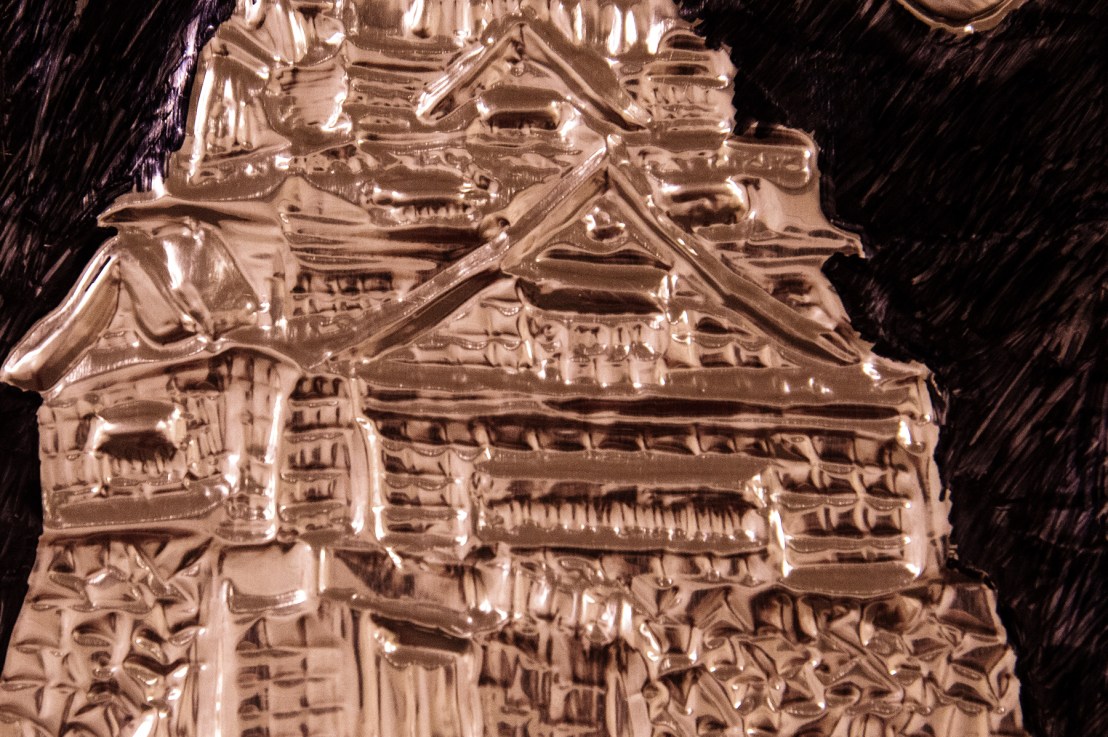
6th Grade – Architectural Foil Repousse inspired by artist Stephen Wiltshire

6th Grade – Architectural Foil Repousse inspired by artist Stephen Wiltshire

Description of the Unit –

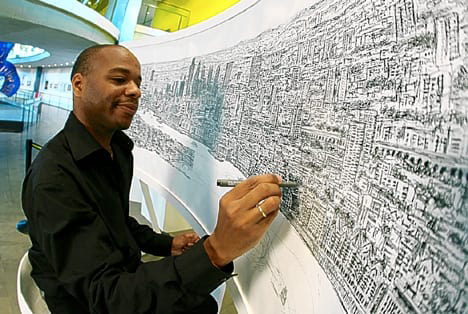
Students will learn about the life and work of artist Stephen Wiltshire. Using his incredibly detailed drawings of buildings and cityscapes, students will create a mini architectural drawing that they will then transfer onto foil.

Artist Stephen Wiltshire working on one of his cityscape panoramas
Continue reading “6th Grade – Architectural Foil Repousse inspired by artist Stephen Wiltshire”
4th Grade – Suzanne Valadon and subjective approaches

4th Grade – Suzanne Valadon and subjective approaches

Description of the Unit –

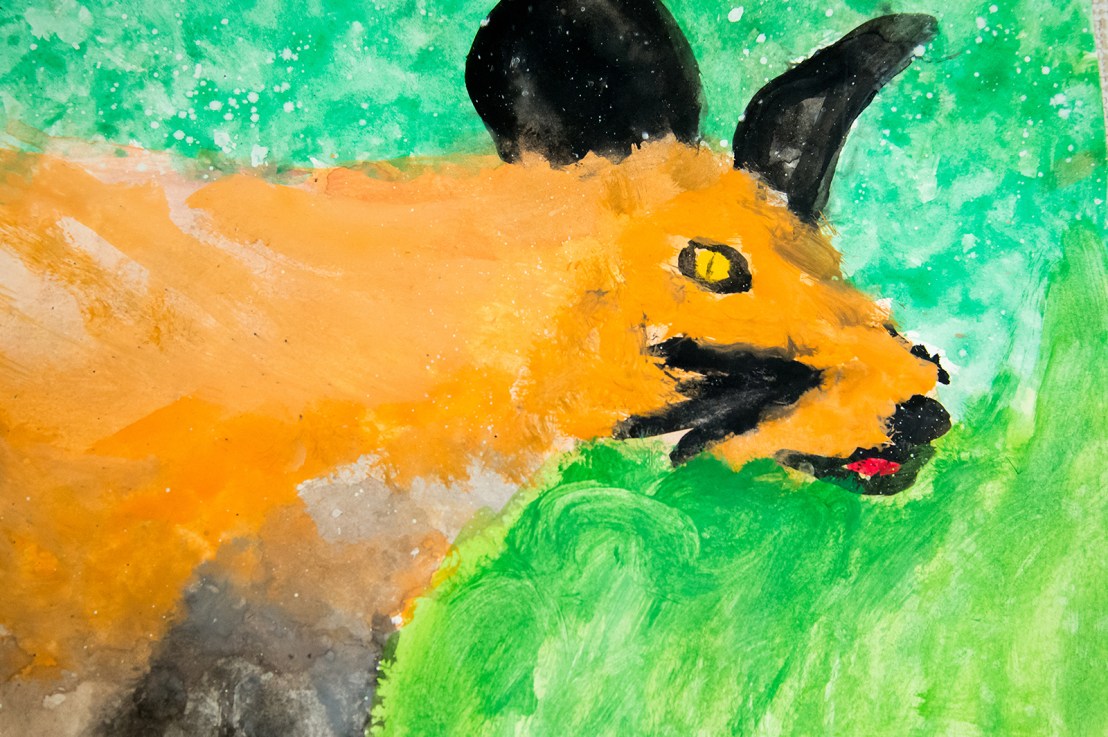
This unit will be guided by both technique and style. Students will observe the work of Impressionist painter Suzanne Valadon and discuss ways in which her paintings, particularly of animals, are impressionistic. How does Impressionism differ from realism?

Continue reading “4th Grade – Suzanne Valadon and subjective approaches”
3rd Grade – Paul Klee’s Magic Square Series

3rd Grade – Paul Klee’s Magic Square Series

Description of the Unit –

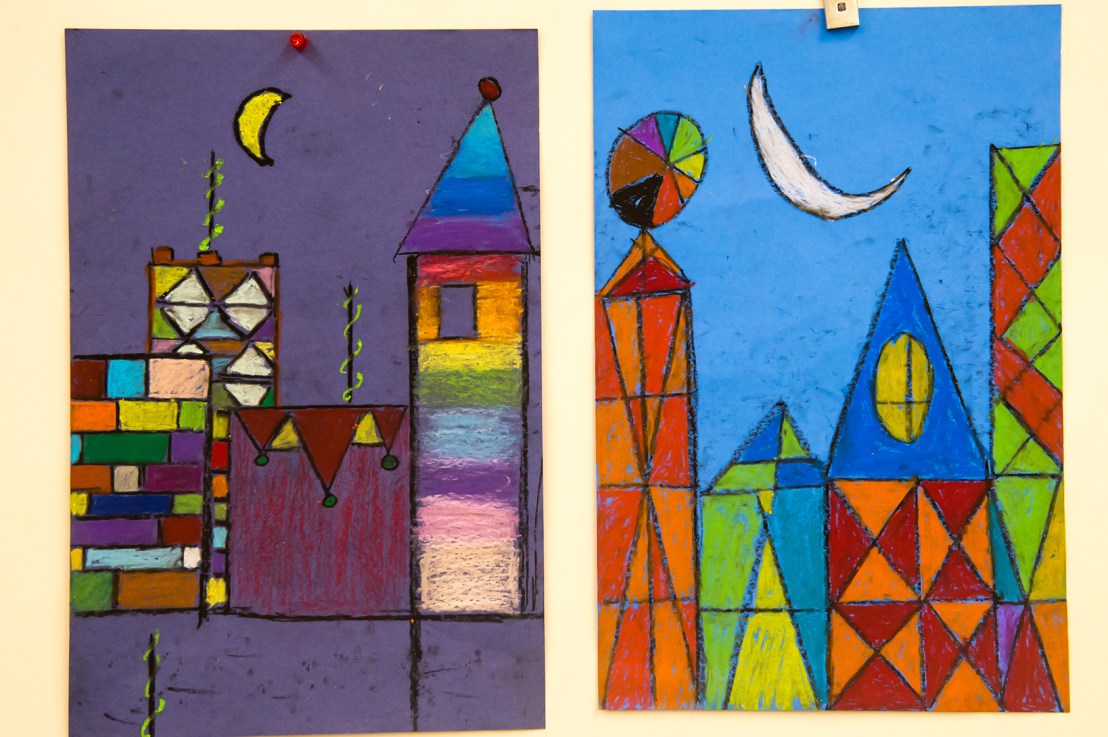
Students delve into a particular period of Paul Klee’s art, the “Magic Square” series. Students use their observations of Klee’s work to create their own cityscape in oil pastels, focusing primarily on geometric shapes and using one tone of color dotted with its complementary color.

A finished example of a third grade student's magic square city
An example of a 3rd grade student’s magic square city
Continue reading “3rd Grade – Paul Klee’s Magic Square Series”