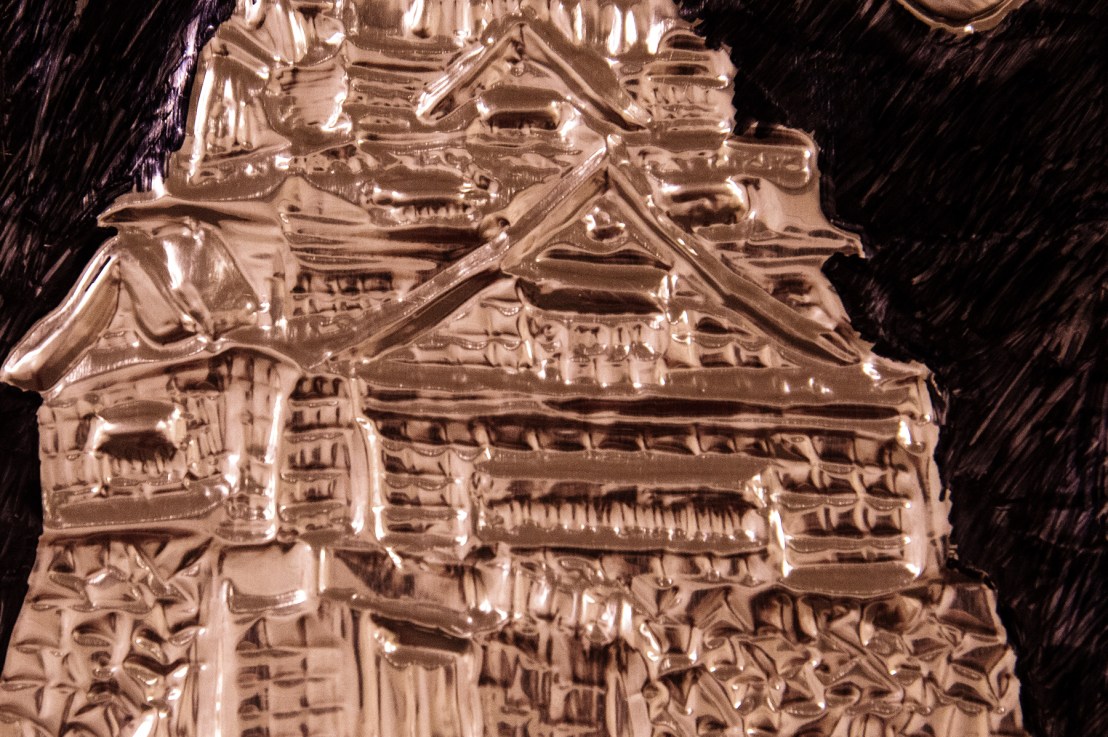
Students will use a variety of artistic techniques to create a bright, vivid and wildly textured magnified dragon eye. When you look through the students’ dragon eyes below, note how remarkably unique each one is: it speaks to the fact that by 5th grade, many students are really beginning to hone in on their personal artistic styles!
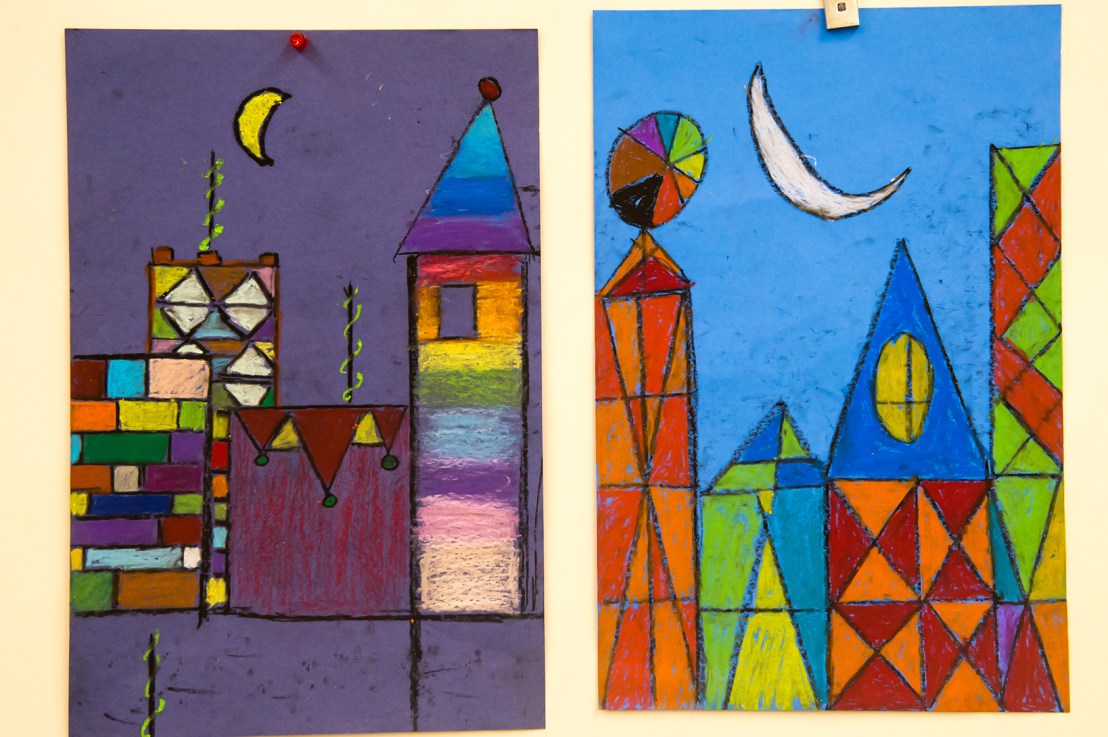
Students delve into a particular period of Paul Klee’s art, the “Magic Square” series. Students use their observations of Klee’s work to create their own cityscape in oil pastels, focusing primarily on geometric shapes and using one tone of color dotted with its complementary color.
An example of a 3rd grade student’s magic square city
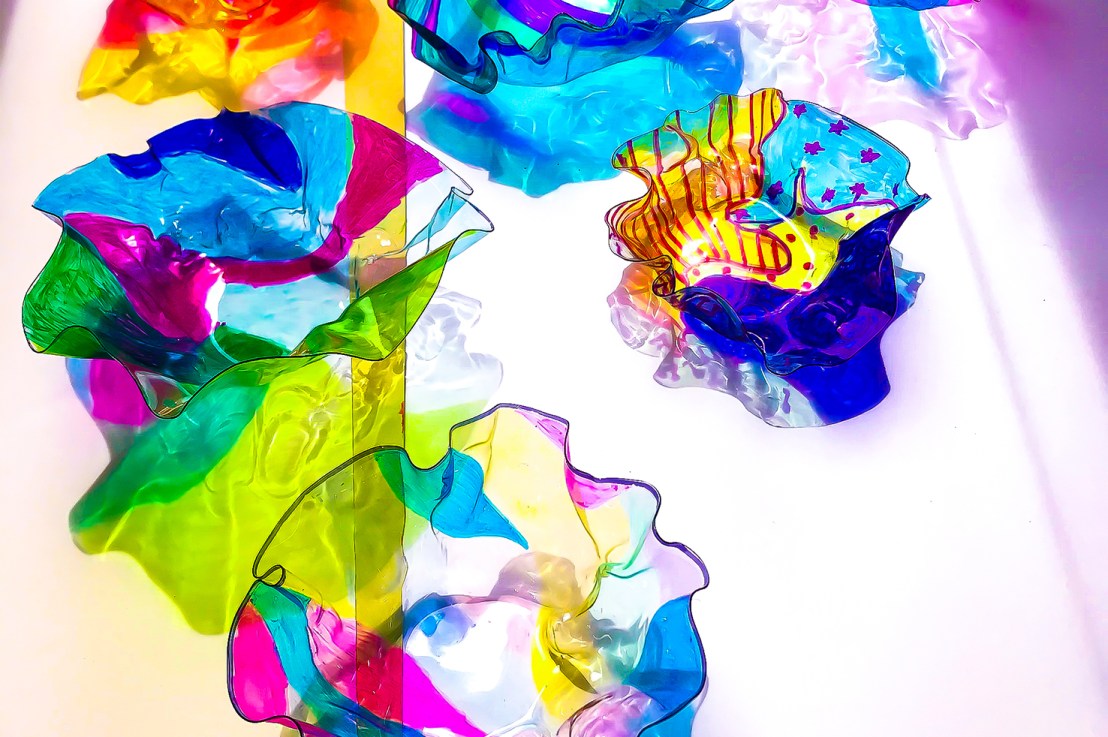
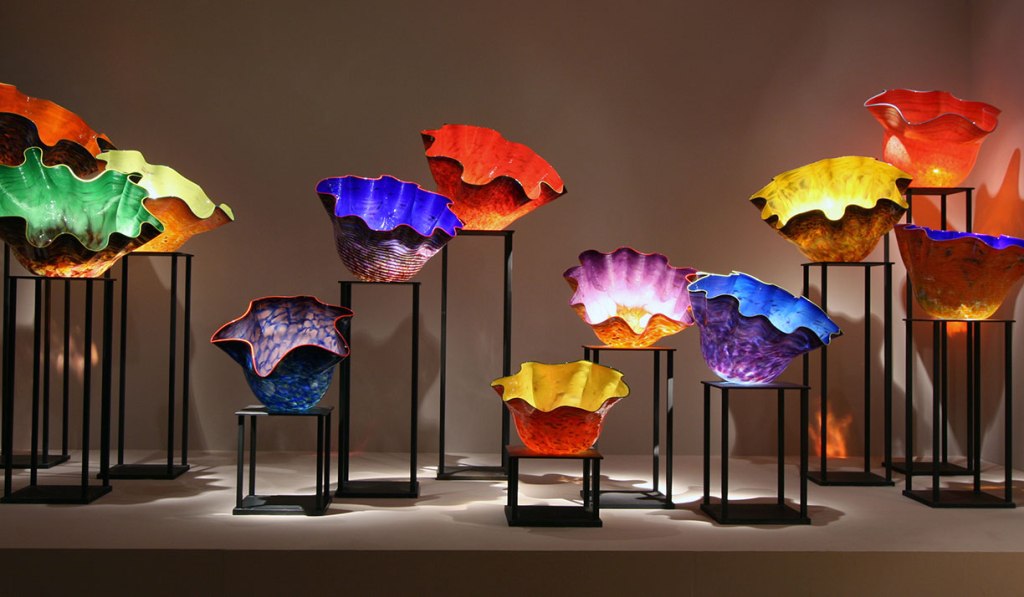
This unit focuses explicitly on Dale Chihuly: his life, his art. The artmaking pursued in this unit is inspired by one of Chihuly’s most well-known themes: the bowl.
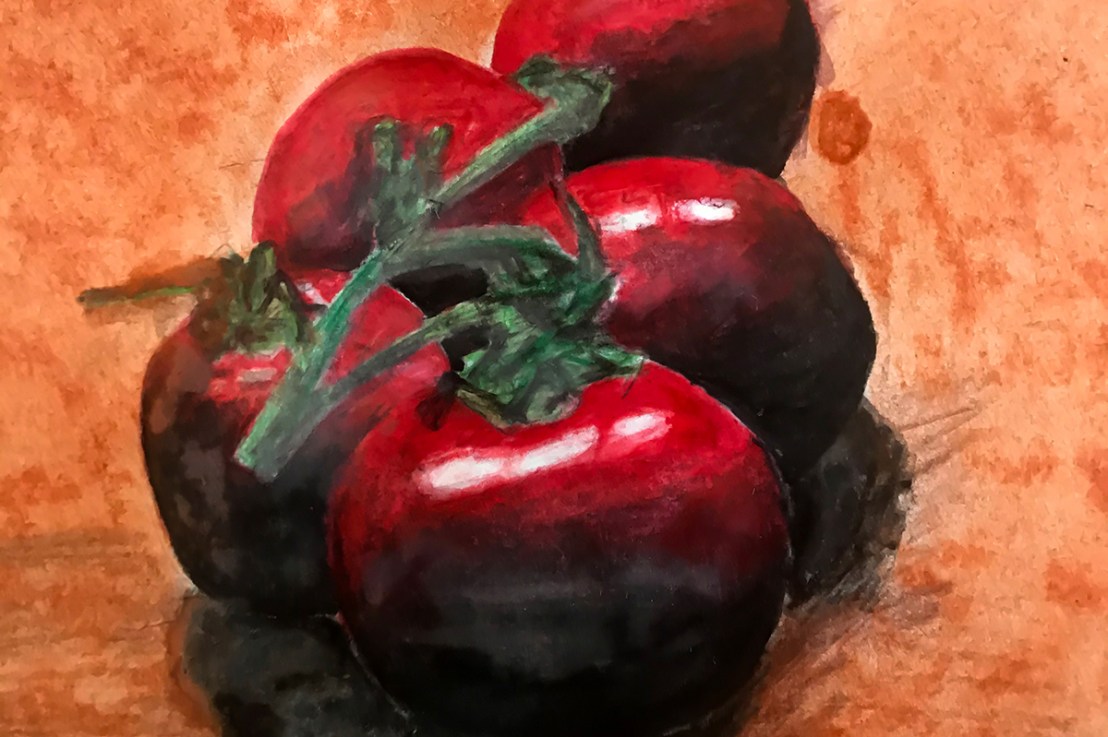
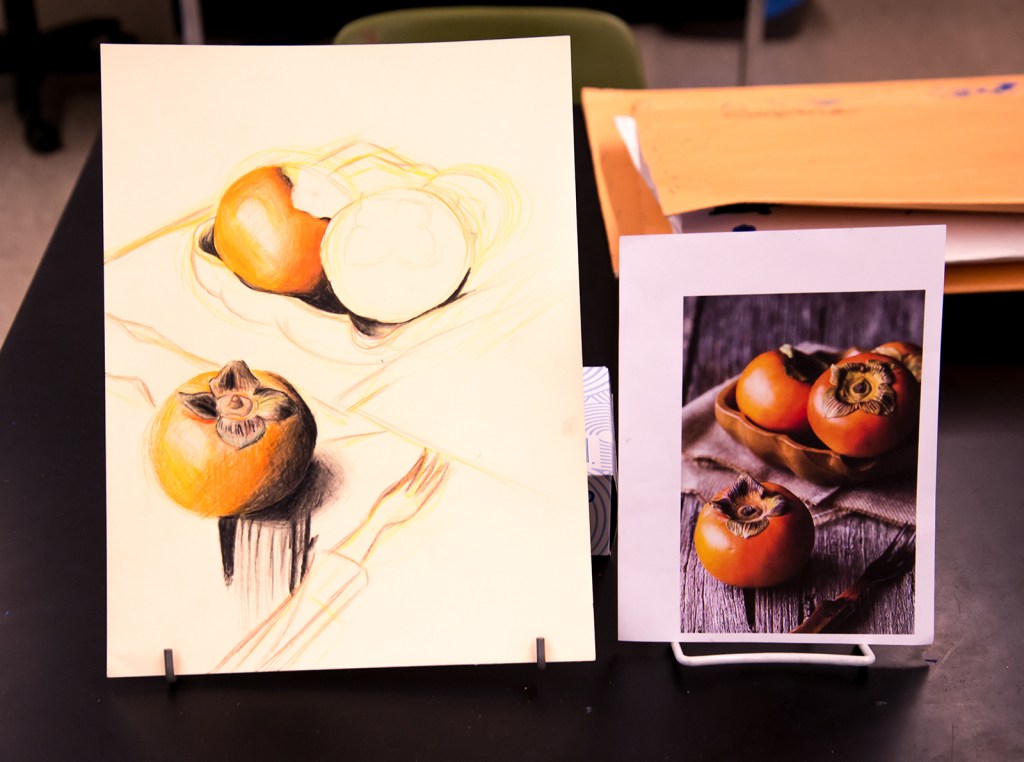
Students will learn and practice essential colored pencil techniques involving mark-making and shading to create a still life.
Activity statement –
Coloring with colored pencils can be a deeply rich and satisfying experience. Something about the feel of the medium as it is spread across paper, and then combined with other colors to slowly come to life, can be both thrilling and meditative. Given some basic techniques students can achieve highly rewarding results.
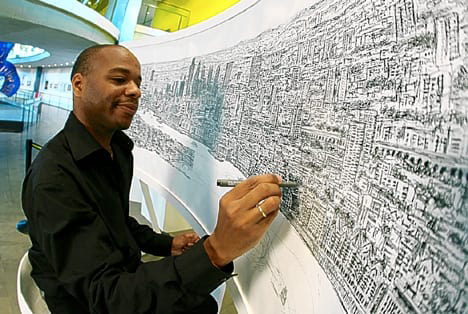
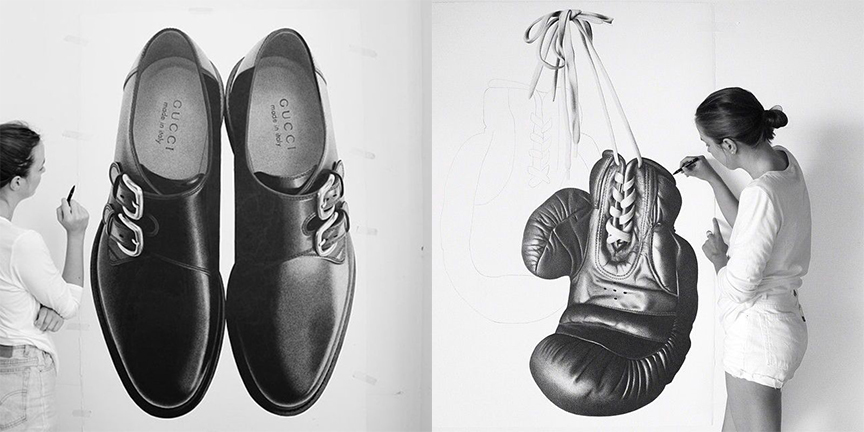
We begin by diving into the fascinating art of CJ Hendry. Hendry expresses having no formal art training and considers herself “not very creative.” Yet she’s a dedicated, innovative artist whose works are primarily hyper-realistic, large scale pencil drawings of (mostly) luxury objects that sometimes take 200 hours to complete. Working with pencil on paper her pieces are achieved through layers of what she refers to as scribbles. Watching her work (you can see some fun videos of her at work here: https://youtu.be/KB8vc9M4QWs and https://youtu.be/KixMpzhMS-o) students become awe-struck by the way her tireless pencil strokes become such lifelike, more-than-photographic representations of real-life objects. They wonder aloud how she does it, exclaiming that they would love to draw like Hendry. I tell them that this unit will give them a foundation for getting there.
Yayoi Kusama is one of my favorite contemporary artists. Her irreverence, originality, rebelliousness and whimsy have won my heart, as have her personal struggles with mental illness. An artist whose work always surprises and delights, I love to bring her life story and work to my students.
Together we explore and discuss the work of this seminal Japanese artist, whose pioneering installations have enthralled visitors to her work over the last several decades. Using her iconic polka-dotted pumpkins as inspiration, students will emphasize the elements of line, color and shape, and well as principles of pattern, repetition and movement, in their own brightly colored pumpkins.
This is a two-part unit that will be guided by both technique and style, starting with practicing four basic watercolor techniques: 1) dry paint on dry paper; 2) dry paint on wet paper; 3) wet paint on dry paper, and 4) wet paint on wet paper. (For some students this will be review as we practice this in earlier grades as well.) In the second part of this unit students will explore Impressionist painting, particularly the work of Suzanne Valadon (to be posted next week).
The class will observe and discuss the work of contemporary American painter Wayne Thiebaud, focusing especially on his dessert paintings. Using similar characteristics as seen on Thiebaud’s paintings, students will create their own dessert composition in oil and chalk pastels.
Activity statement –
According to the Jim Kempner Fine Art website, “Wayne Thiebaud (b. 1920) is an American painter best known for his still life paintings of edible treats and everyday objects in his singular illustrative style” (https://jimkempnerfineart.com/wayne-thiebaud.php ). His most popular subject matter includes cakes in colorful pastel hues, slices of pie, candies such as lollipops, cupcakes, and interestingly, the streets of San Francisco. His paintings generally include thick, bold applications of stylized color, highly defined shadows, and cartoon-like line. His approach to painting gives his desserts a tactile, textured feel. Students will consider using these same characteristics to create the composition of one sweet treat (or treats) of their own, while also considering the placement of the light source in their design, so as to properly express a form and cast shadow.
Students will learn a little about the history of marbled paper, and will observe the different kinds of designs known to the craft. In groups they will then make their own marbled paper
Students will explore Andy Goldsworthy’s ephemeral land art, then venture outside to come up with their own environmental sculptures.
Activity statement –
Andy Goldsworthy is known as an environmental or land artist. What this means is that he uses natural artifacts—branches, leaves, rocks, ice, etc.—to create his sculptures and installations. Goldsworthy’s art is also temporary. He never creates anything that won’t eventually be destroyed by waves, wind and natural processes. Goldsworthy invites the viewer to contemplate the ephemeral, transitory beauty of the natural world. His works involve the use of pattern, color and balance. Interestingly, all of the color in his work comes from the objects themselves, never from him painting any of it. So for example, if you look at the image that looks like a tree trunk ringed with glowing light or fire, he simply used fallen gold and orange leaves to give it that effect.