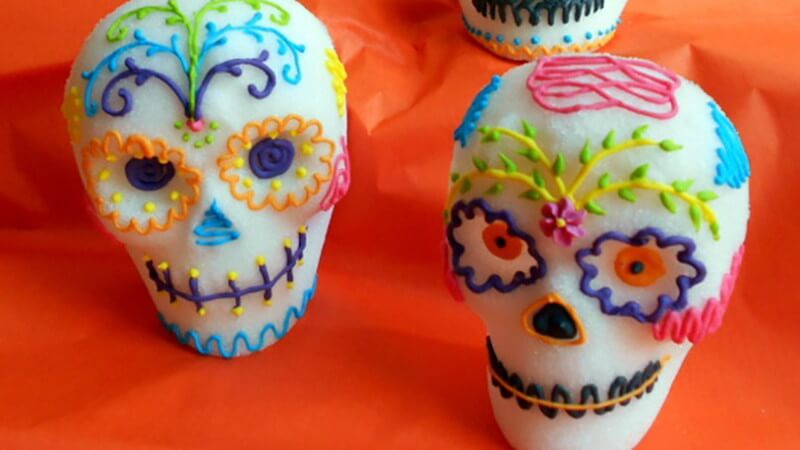
Description of the Unit – Students will celebrate Día de los Muertos by sculpting and designing their own “sugar” skulls (with clay) and setting them onto a colorful patterned background.
Lessons for visual art education – where it's about the process, not the product
Tag: elementary school
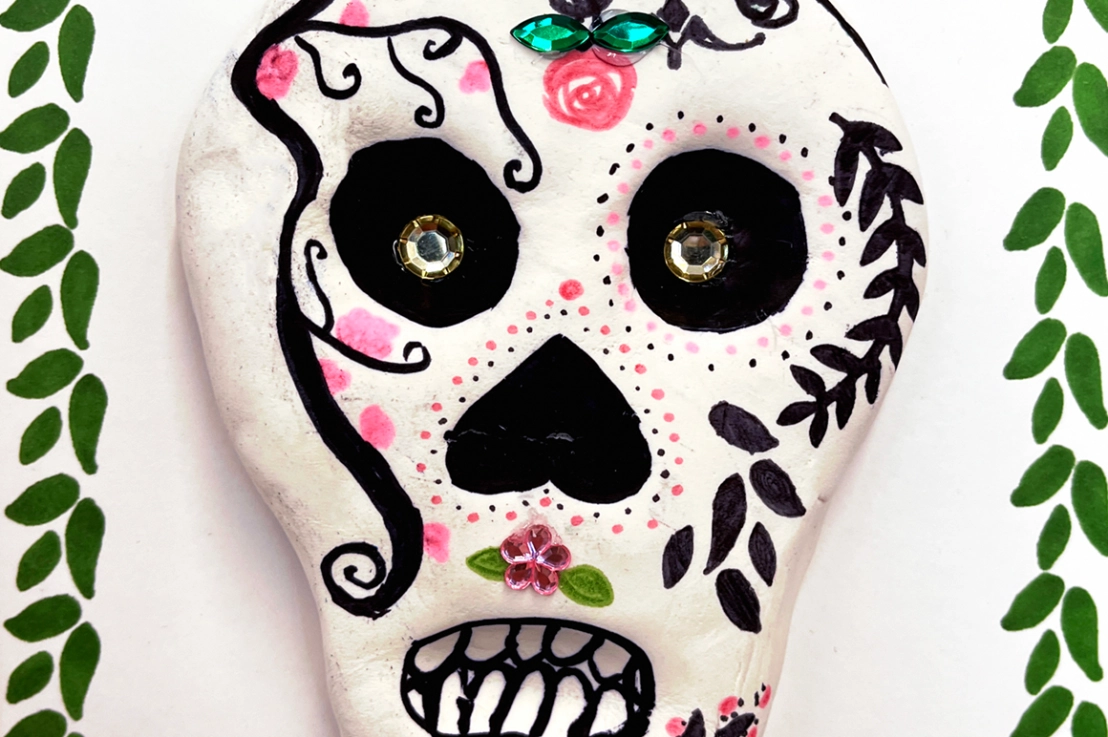
Description of the Unit – Students will celebrate Día de los Muertos by sculpting and designing their own “sugar” skulls (with clay) and setting them onto a colorful patterned background.
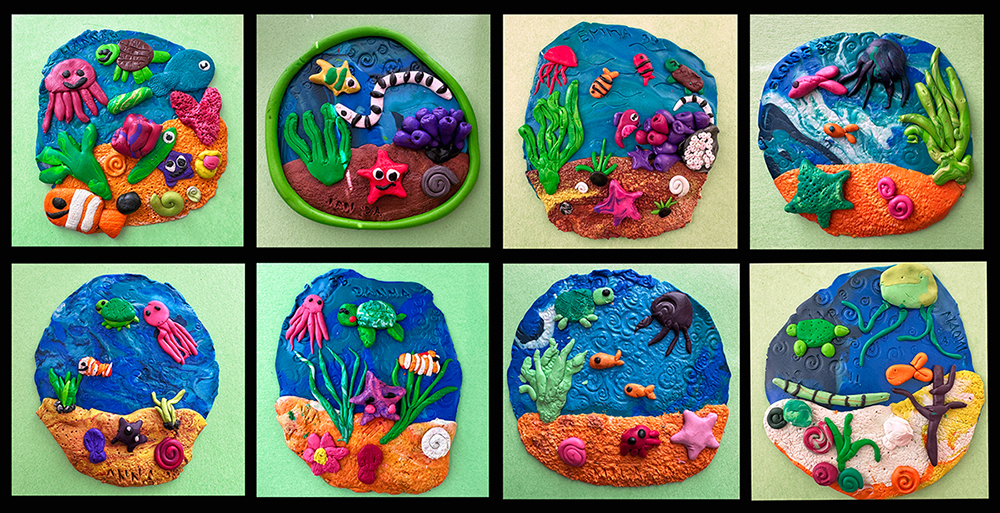
Description of the Unit – Students will create a kind of relief sculpture, an aquarium out of clay that will include sea creatures in a variety of organic and geometric shapes. Students will paint their aquariums, using bright, bold colors for emphasis.
Continue reading “3rd Grade – Clay Aquarium Relief Sculpture”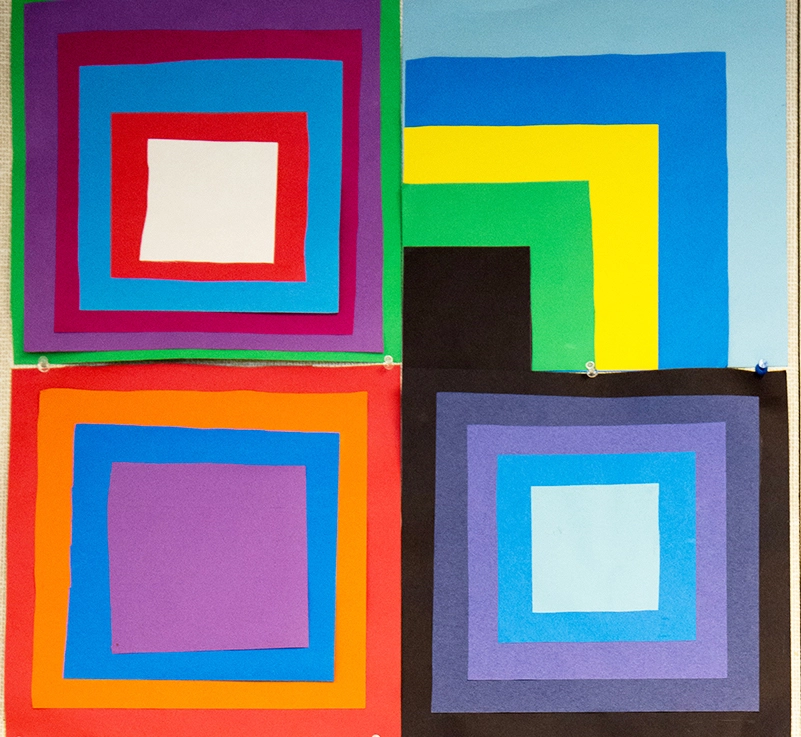
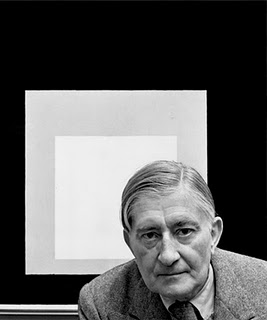
Description of the Unit – Students will explore Josef Albers’ series Homage to the Square, using his artwork and our discussion as a guide to creating their own series of squares, concentrating on contrast and depth.
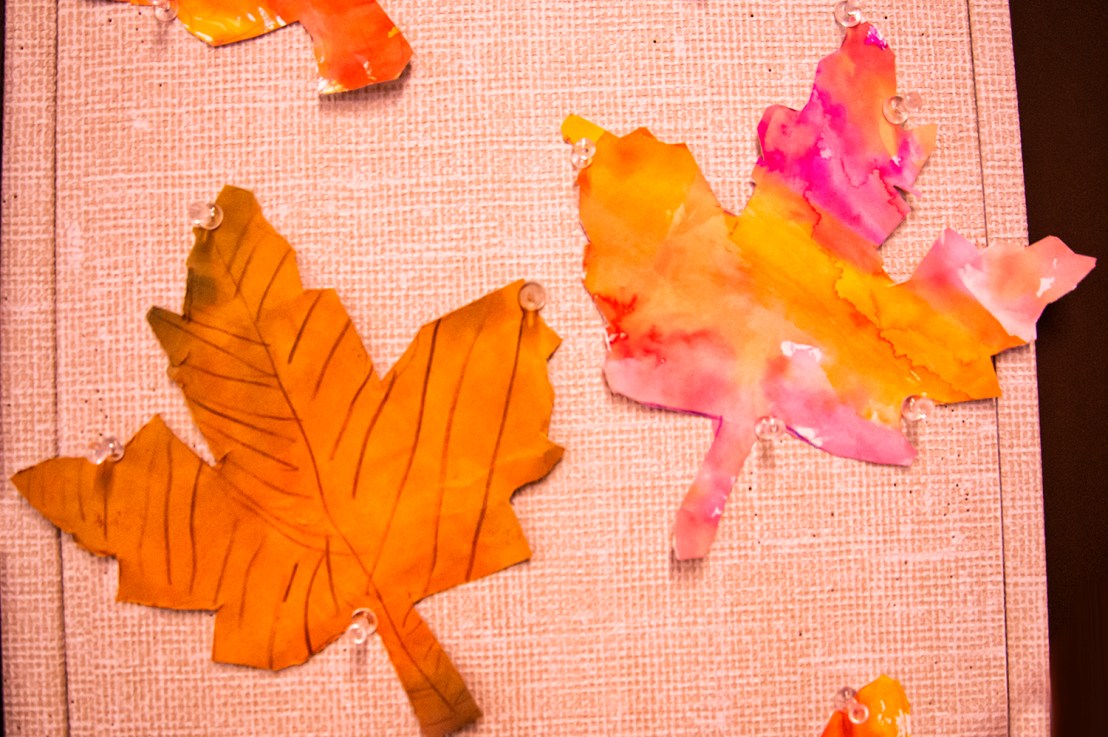
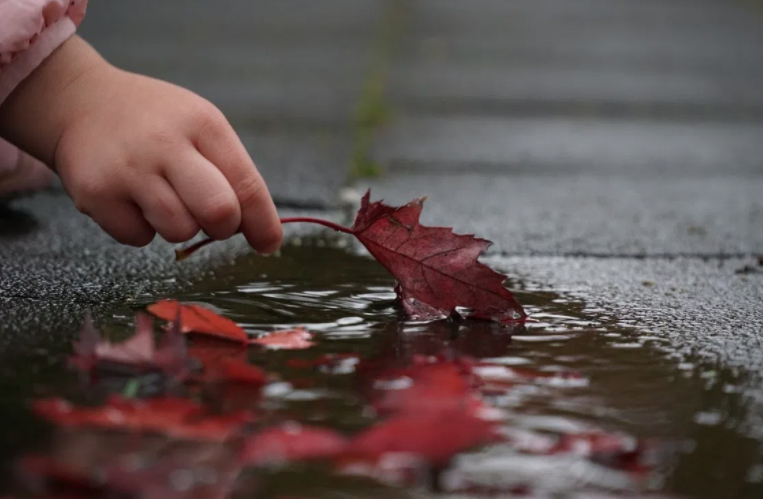
Description of the Unit – While outside on a beautiful fall day, students observed Autumn leaves, noticing the colors, shapes and textures of each leaf. Back in the art room, students used their observations to create their own vibrantly colored fall leaves.
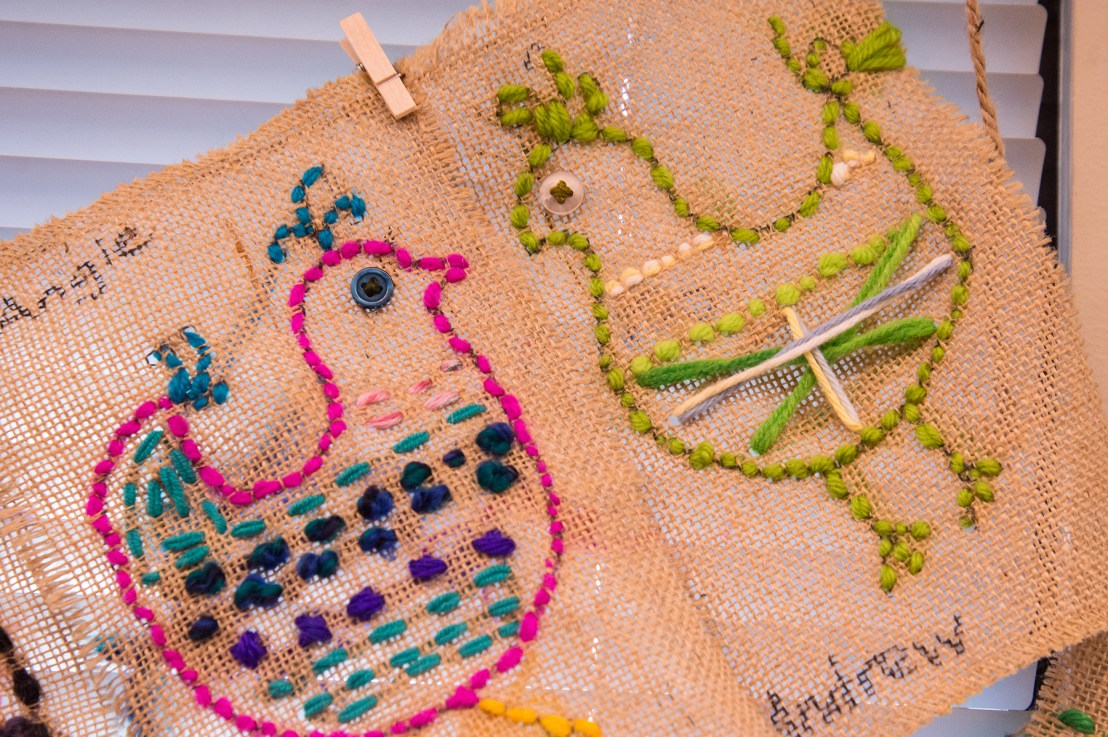
Description of the Unit – Students will learn basic sewing techniques to sew a simple image onto burlap
Continue reading “3rd Grade – Colorful, Fun Basic Sewing Sampler”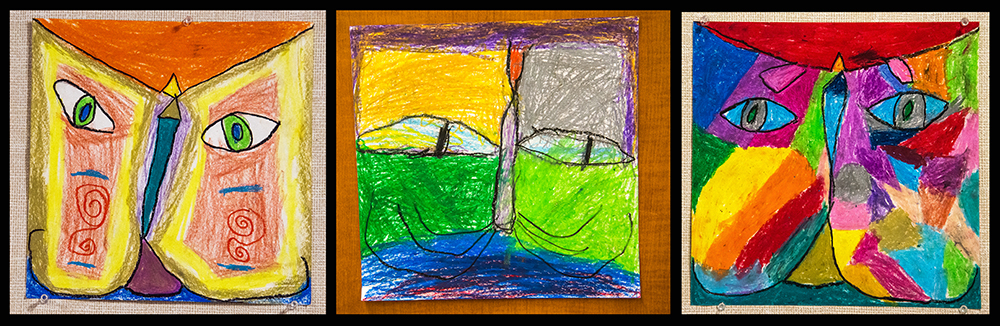
Description of the Unit – Students will explore color and shape as they create a cat face modeled after Klee’s geometric and colorful “Cat and Bird.”
Continue reading “2nd Grade – Paul Klee’s Whimsical Cats”
Description of the Unit – (Not a unit per se, as we only spend a couple of class periods on this.) Students celebrate the arrival of spring by creating Sakura, or Japanese cherry blossoms, in the most amusing way…


Description of the Unit –
Students will use a variety of artistic techniques to create a bright, vivid and wildly textured magnified dragon eye. When you look through the students’ dragon eyes below, note how remarkably unique each one is: it speaks to the fact that by 5th grade, many students are really beginning to hone in on their personal artistic styles!

Description of the Unit –
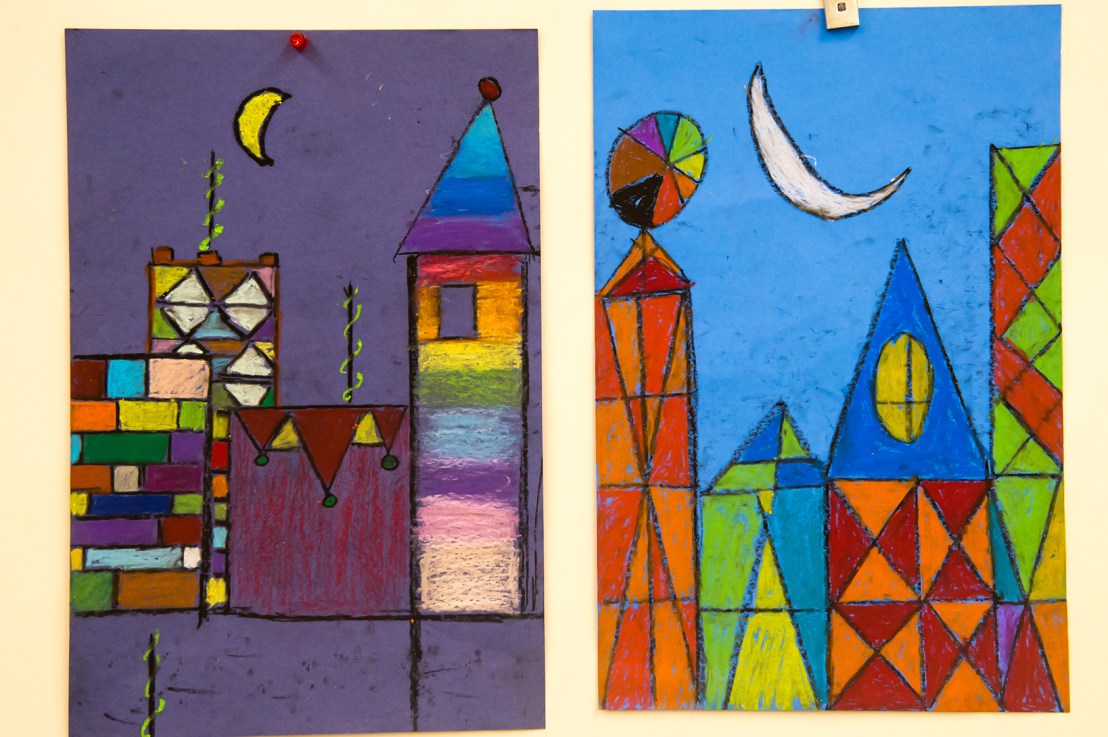
Students delve into a particular period of Paul Klee’s art, the “Magic Square” series. Students use their observations of Klee’s work to create their own cityscape in oil pastels, focusing primarily on geometric shapes and using one tone of color dotted with its complementary color.

Description of the Unit –
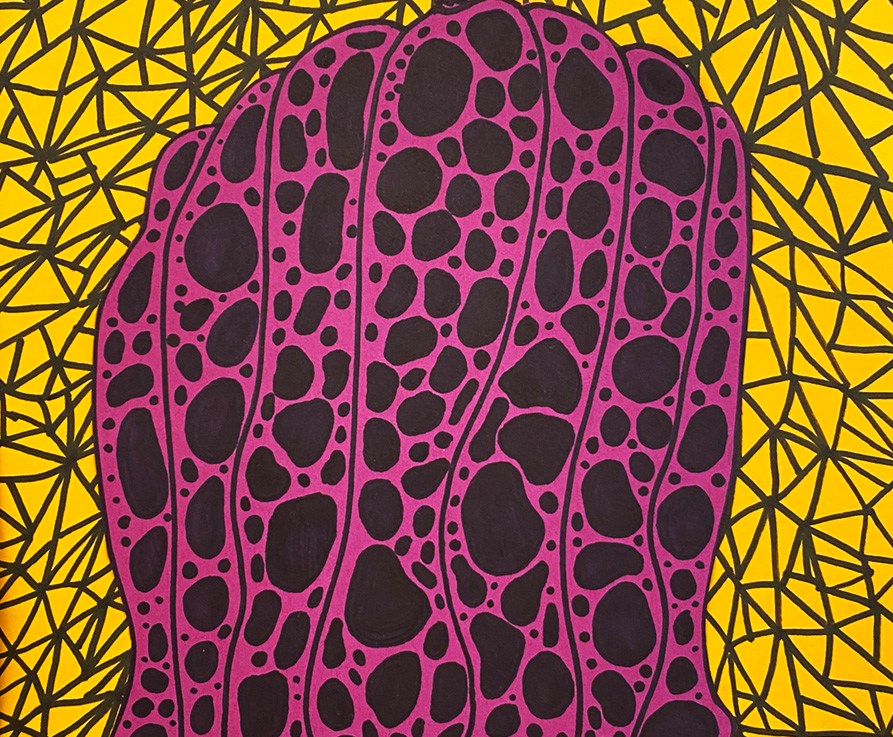
Yayoi Kusama is one of my favorite contemporary artists. Her irreverence, originality, rebelliousness and whimsy have won my heart, as have her personal struggles with mental illness. An artist whose work always surprises and delights, I love to bring her life story and work to my students.
Together we explore and discuss the work of this seminal Japanese artist, whose pioneering installations have enthralled visitors to her work over the last several decades. Using her iconic polka-dotted pumpkins as inspiration, students will emphasize the elements of line, color and shape, and well as principles of pattern, repetition and movement, in their own brightly colored pumpkins.
 In the K-8 Art Studio with Anita Sagastegui