Description of the Unit – Students will observe Henri Rousseau’s paintings of tigers in the jungle with the objective of understanding foreground and background.
Continue reading “3rd Grade – Tigers in the Jungle, inspired by Henri Rousseau”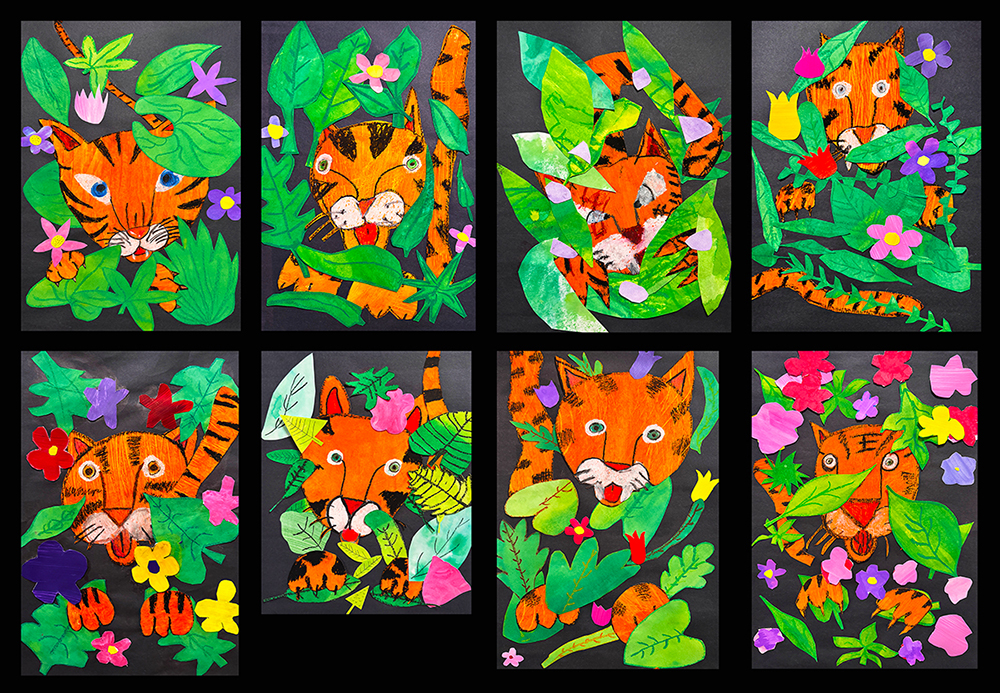
Lessons for visual art education – where it's about the process, not the product
Category: collage
Description of the Unit – Students will observe Henri Rousseau’s paintings of tigers in the jungle with the objective of understanding foreground and background.
Continue reading “3rd Grade – Tigers in the Jungle, inspired by Henri Rousseau”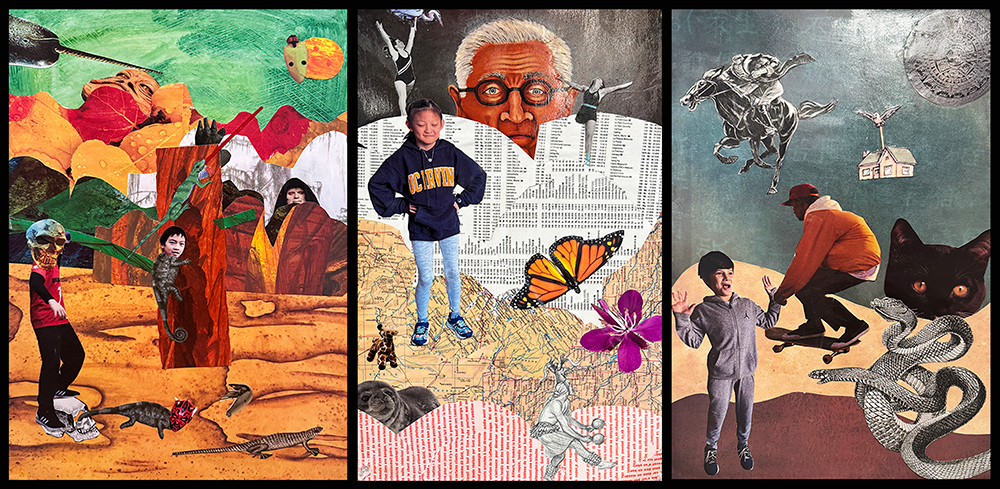
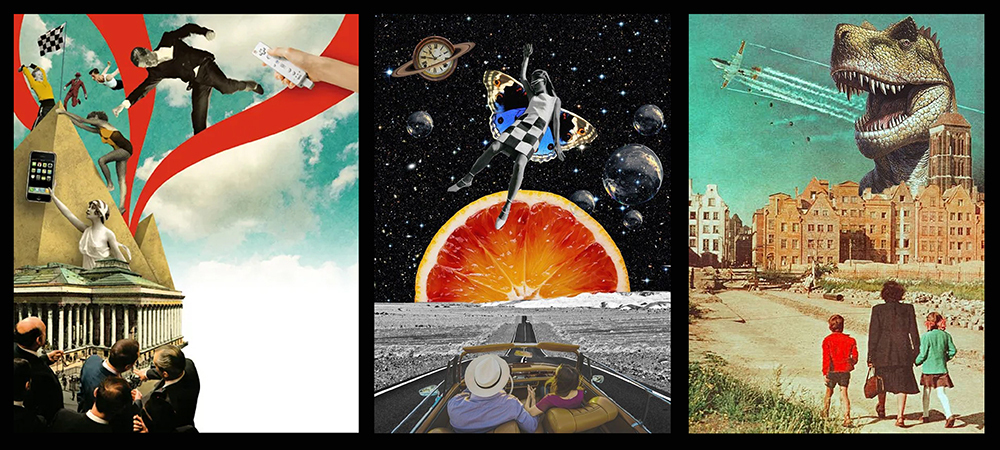
Description of the Unit – Observing the work of several Surrealist collage artists, like Julien Pacaud, students will learn about the meaning of the term Surrealism, and how it is used in collage art. They will then go on to create their own weird, wild and wonderful collages, using varied sources such as books, magazines, and hand-made paper, while also including an image of themselves within the composition.

This is an exciting, multistep exploration of shape and color inspired by one of my favorite artists, Paul Klee. This unit is an extension of a previous one, which you can see here: https://anitasagastegui.com/2020/06/08/3rd-grade-paul-klees-magic-square-series/. The difference being that this time students are creating mosaic collages rather than drawings, so we emphasize the terms background, middle ground and foreground, as well an understanding of overlapping elements.
Continue reading “3rd Grade – Cityscape Mosaics inspired by Paul Klee”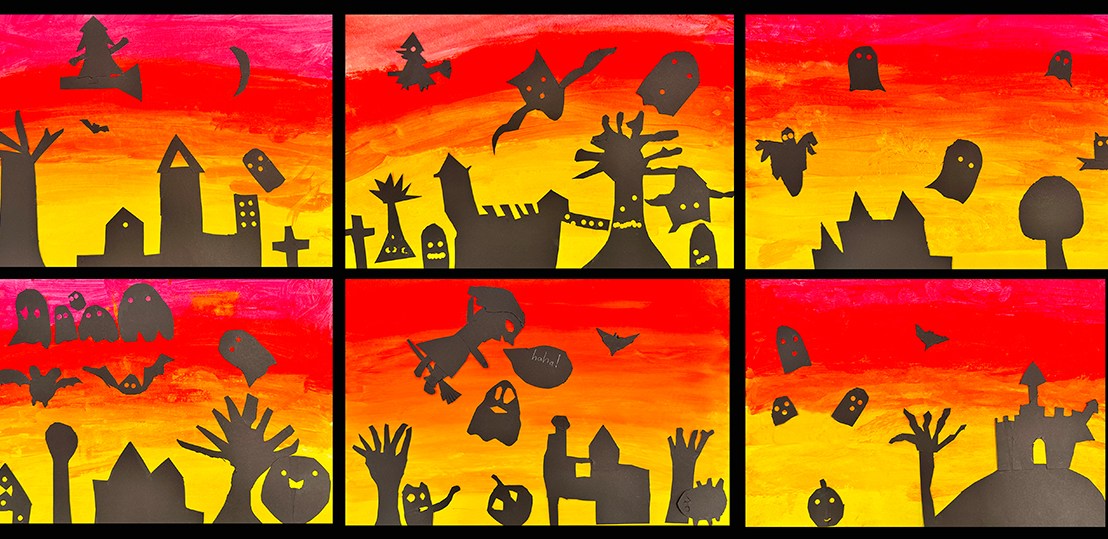
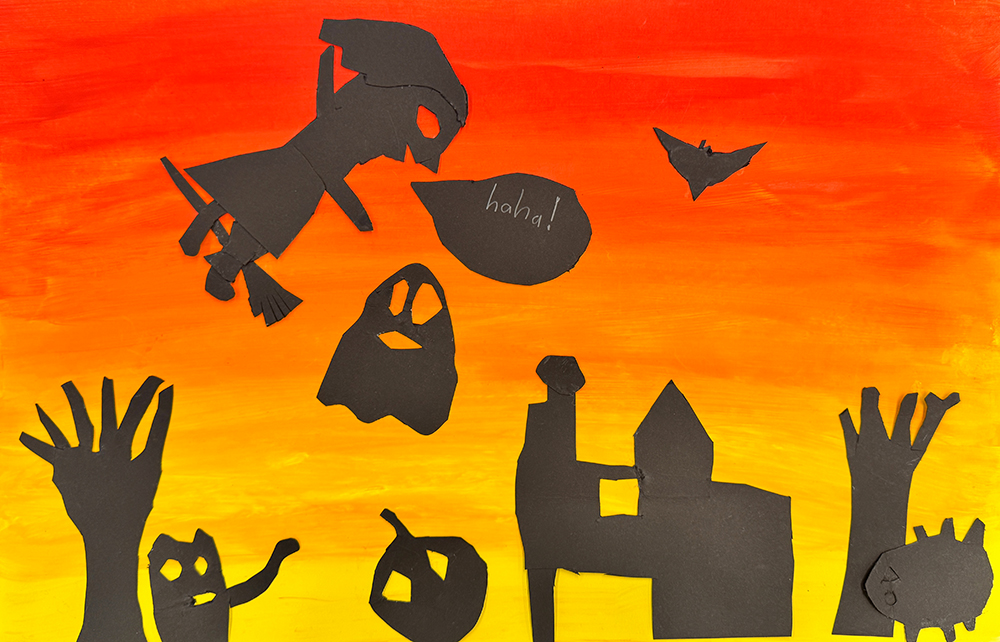
Description of the Unit – Following our previous unit on shape, this unit will emphasize what students learned while introducing them to positive and negative space, and the way they interact with one another. We will also reinforce the concepts of cool and warm colors via the expression of a warm-colored sky.
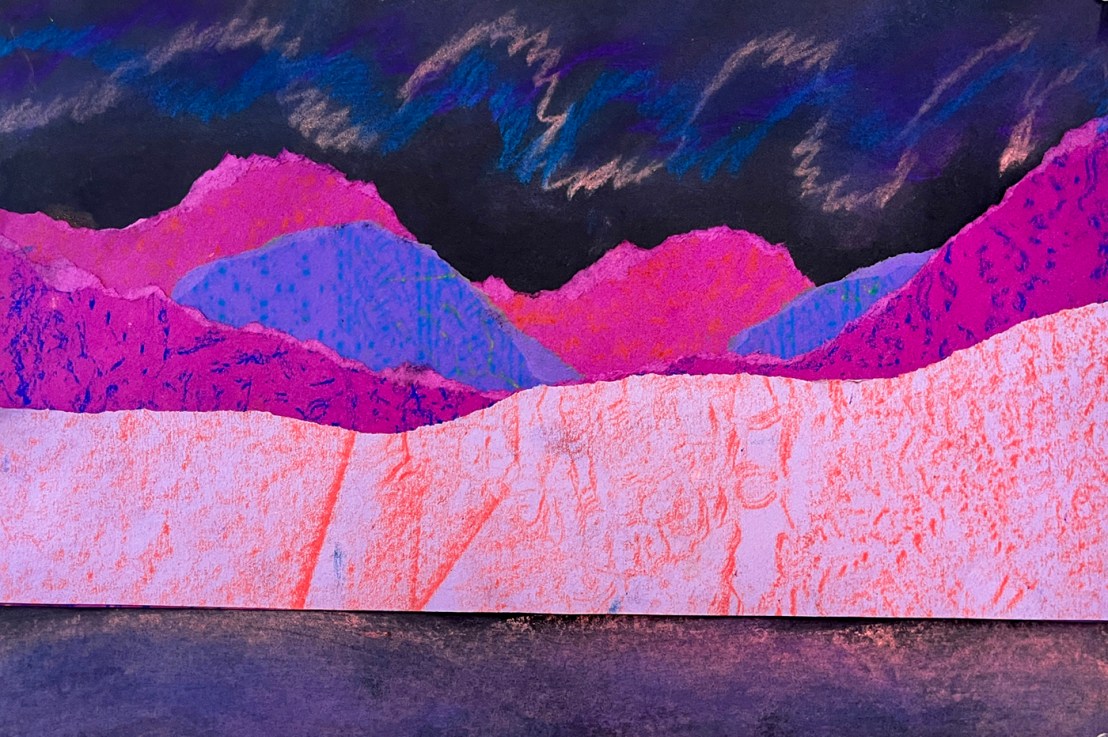
Description of the Unit – Students learned all about the element of texture in art, both two- and three dimensional. They created textured mountains out of ripped paper and rubbing stencils, and then added the soft, wispy texture of the aurora borealis and the lake below using chalk pastels and brushes.

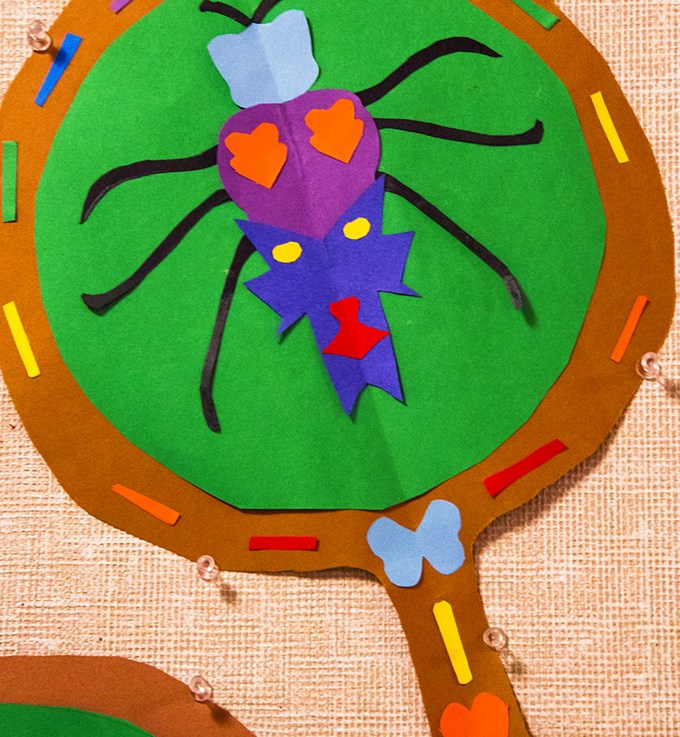
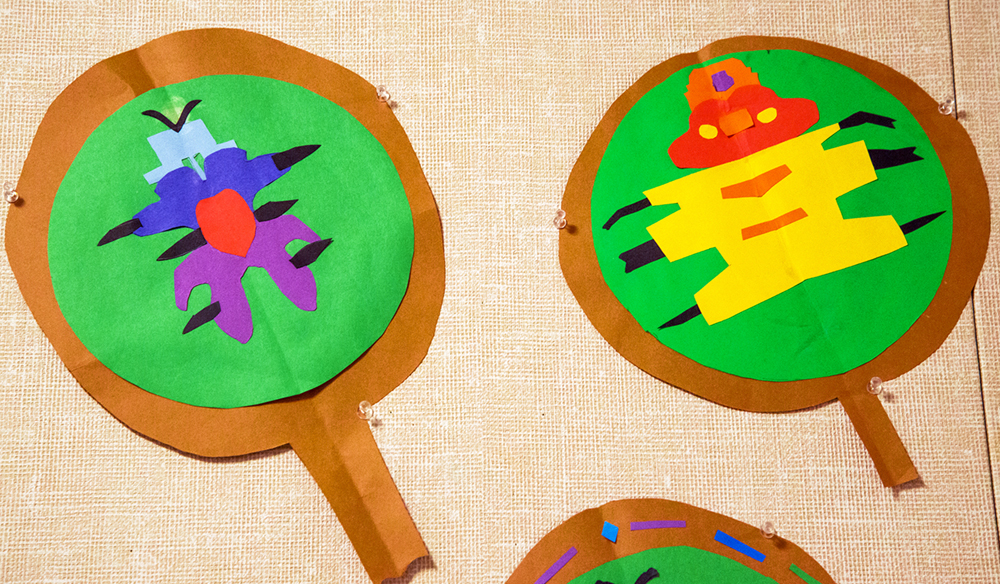
Description of the Unit – A simple yet delightful exploration of symmetry and color, students will create their very own bugs as seen under a “magnifying glass”.
Description of the Unit – Students will explore the famous cut-outs that Henri Matisse innovated in the 1940’s, as well as Rex Ray’s inventive contemporary collages. Throughout their exploration students will note the use of color, line, shape, texture and positive and negative space in the creation of a dynamic yet balanced composition.

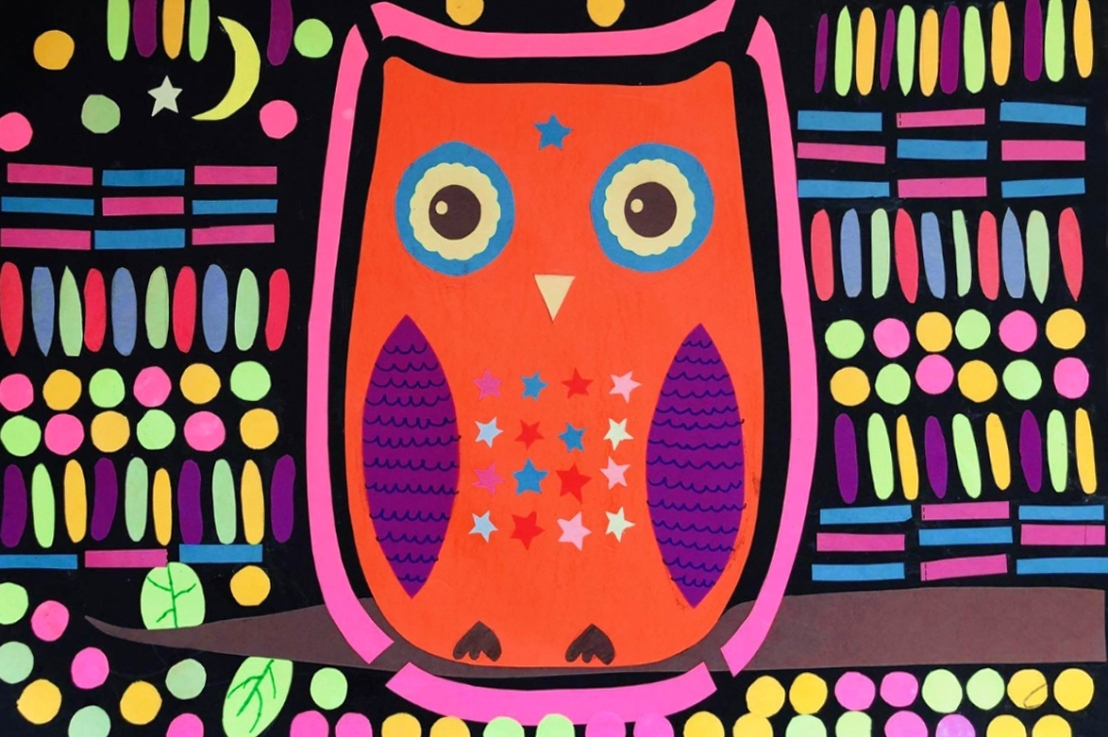
Description of the Unit – The Mola, a traditional cloth worn by the Kuna (from the tiny San Blas Islands off the coast of Panama), are quite brightly colored, in contrasting patterns of various shapes, and in the center depicting what is typically an animal, plant or person of special interest to the Kuna. Students will explore the tradition of Molas, noting the use of contrasting colors, abstract patterns as well as noting the contrasting organic shapes of the main subject to the mostly geometric shapes of the background patterns. Students will use their understanding of these elements to create their own interpretation of the Mola in colored construction paper.
Continue reading “4th Grade – The Mola of Panama”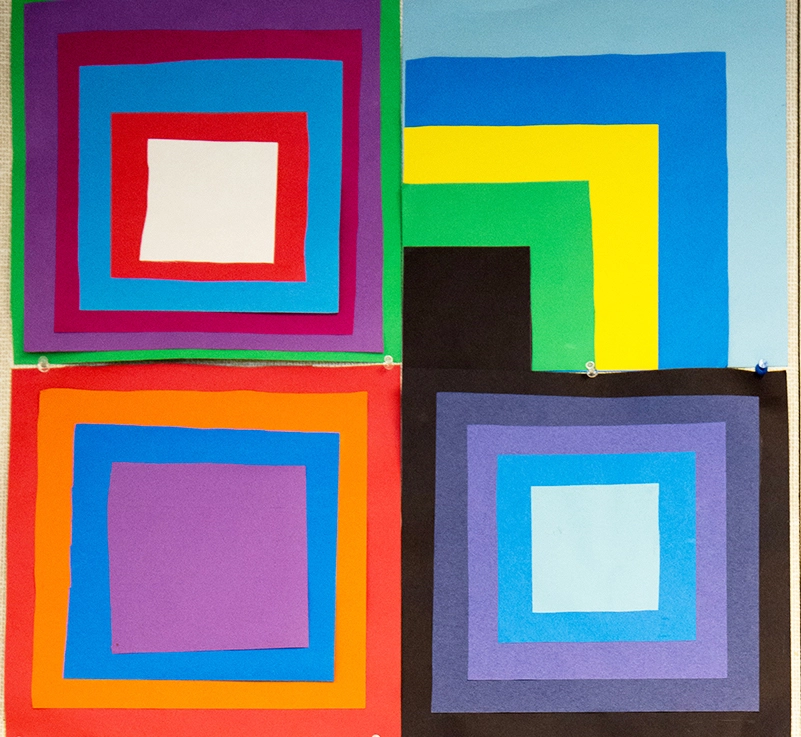
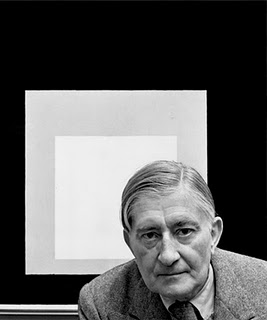
Description of the Unit – Students will explore Josef Albers’ series Homage to the Square, using his artwork and our discussion as a guide to creating their own series of squares, concentrating on contrast and depth.
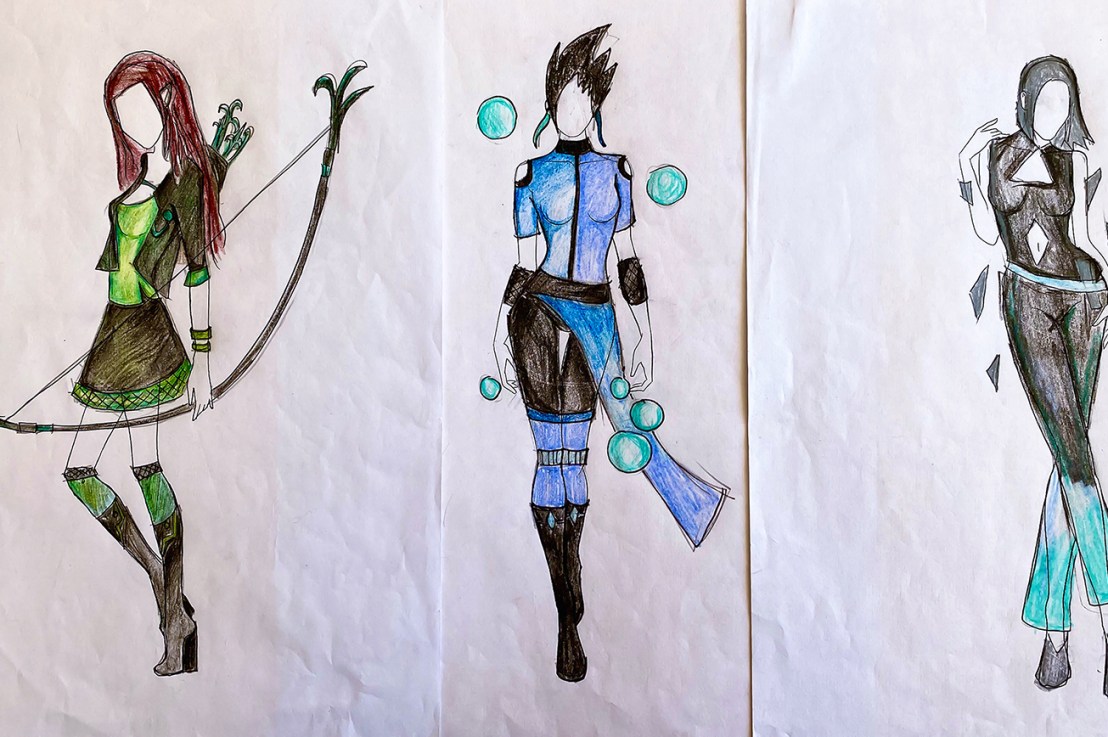
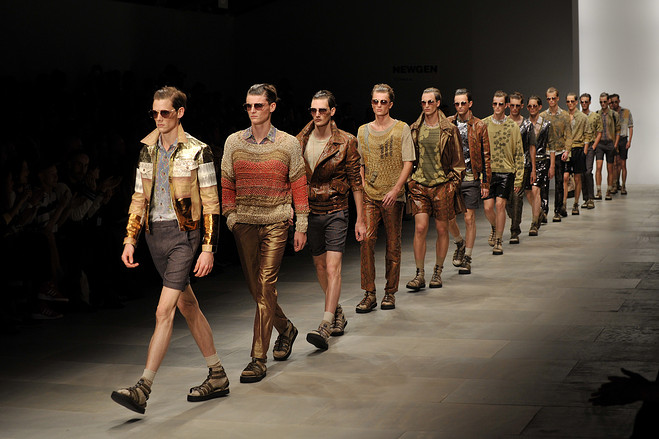
Description of the Unit – Students will create their own fashion line, featuring at least three different looks that share a unifying theme, be it color, pattern, line or particular article of clothing or accessory.
 In the K-8 Art Studio with Anita Sagastegui